Winterberry Holly
Ilex verticillata
Planted for bright red berries that cling to bare stems through winter and feed birds, a native that shines massed by ponds, in rain gardens or as a hedge. It thrives in moist to wet, acid soil and takes heavy clay. Plant a male among the females for berries; alkaline soil yellows and can kill it.
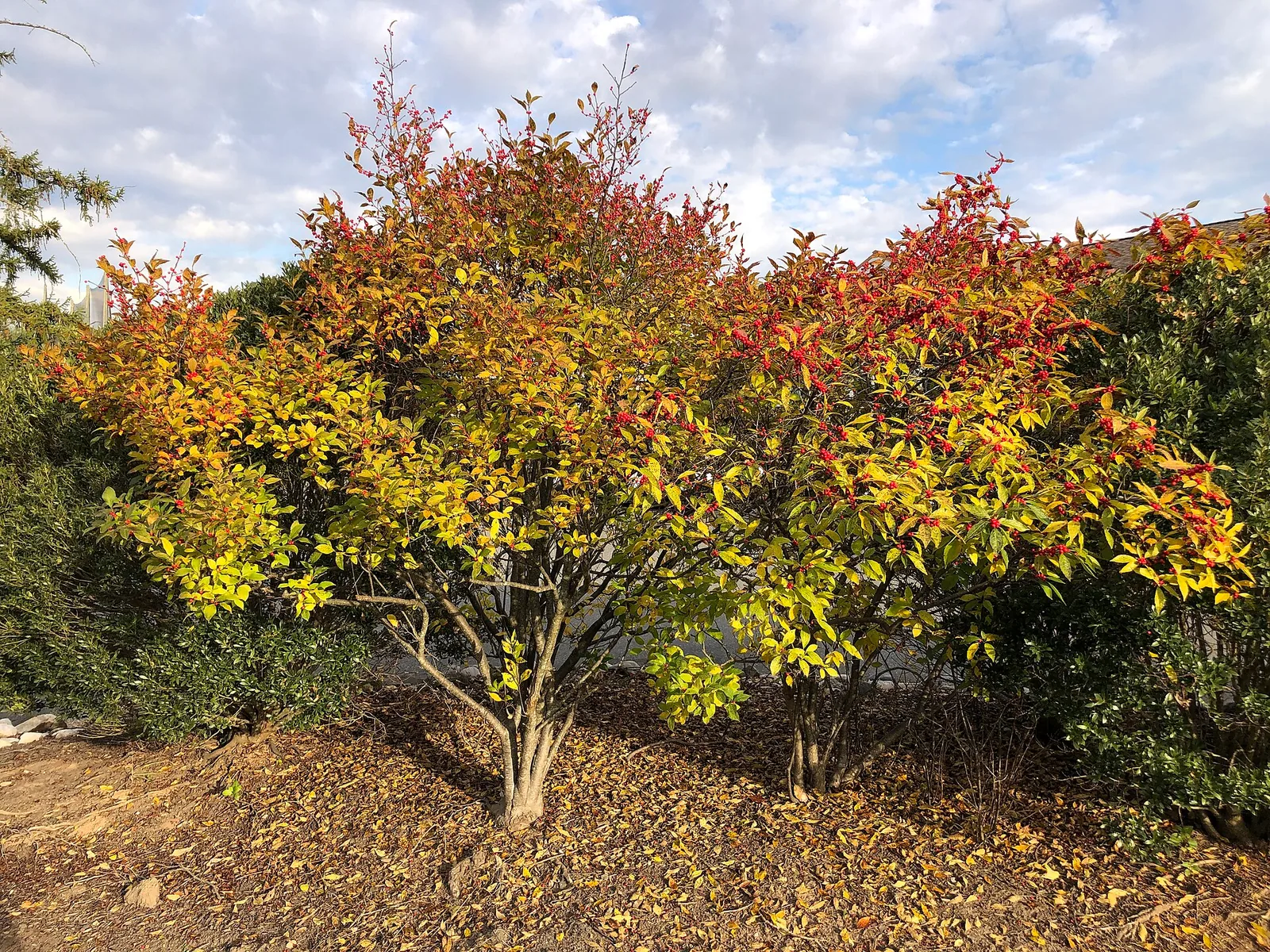

- Mature size
- 9 × 9 ft
- 2.7 × 2.7 m, tall × wide
- Hardiness
- Zones 3a–9b
- USDA
- Sun
- Full sun to part shade
- Water
- Medium to wet
Winterberry Holly at its mature size
A mature Winterberry Holly grows 6 to 12 feet tall and just as wide, taller than most people.
Drawn to scale beside a 5 ft 9 in person. With VeraScape, you see it at this size in your own yard.
Typical mature size, unpruned. Sources: Missouri Botanical Garden.
Through the year
What Winterberry Holly looks like month by month in a typical zone 6–7 garden.
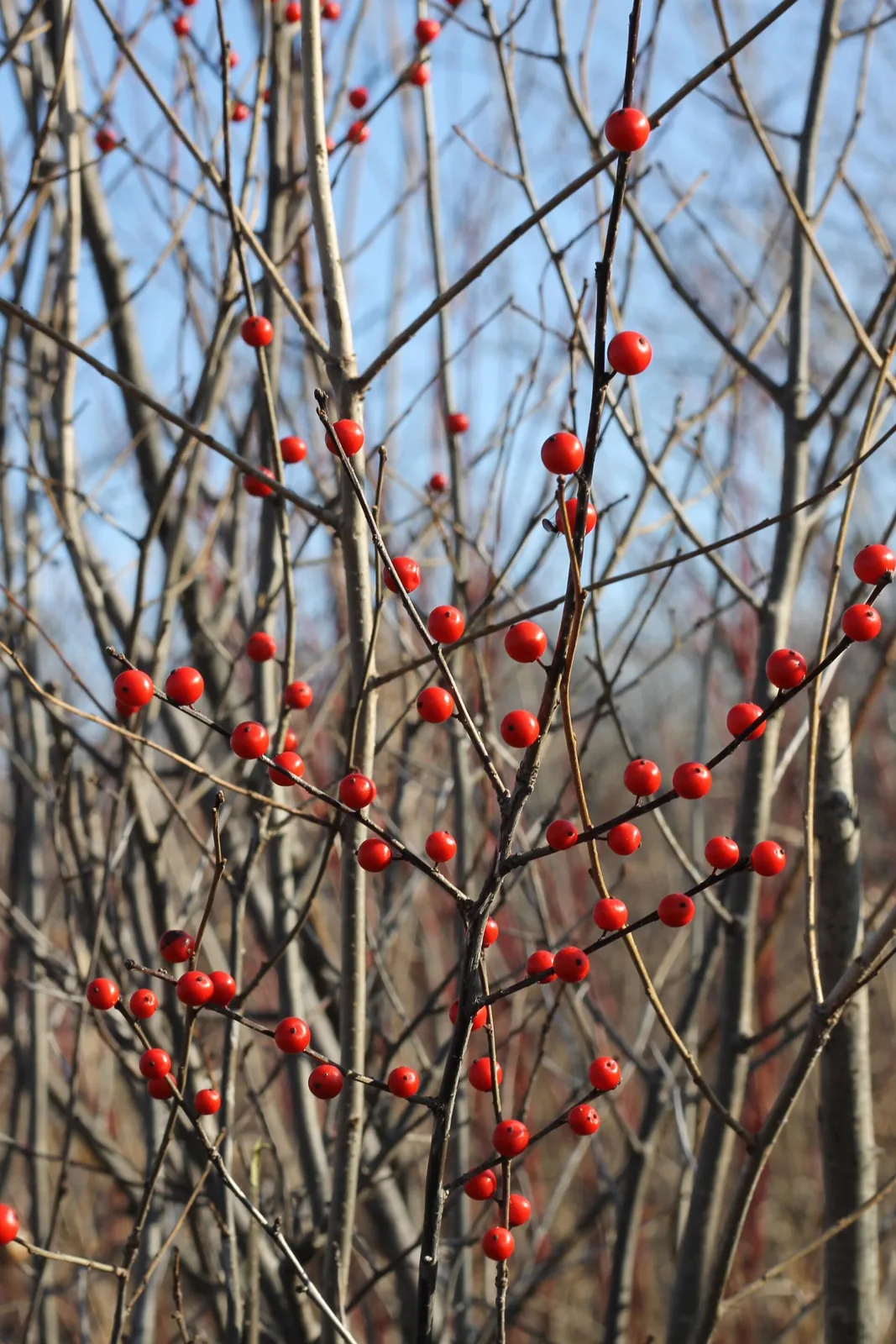
Fruit · Nov–Jan
Leafless gray stems covered in bright red berries.
Dormant · Feb–Mar
Bare gray twiggy stems, berries mostly eaten.
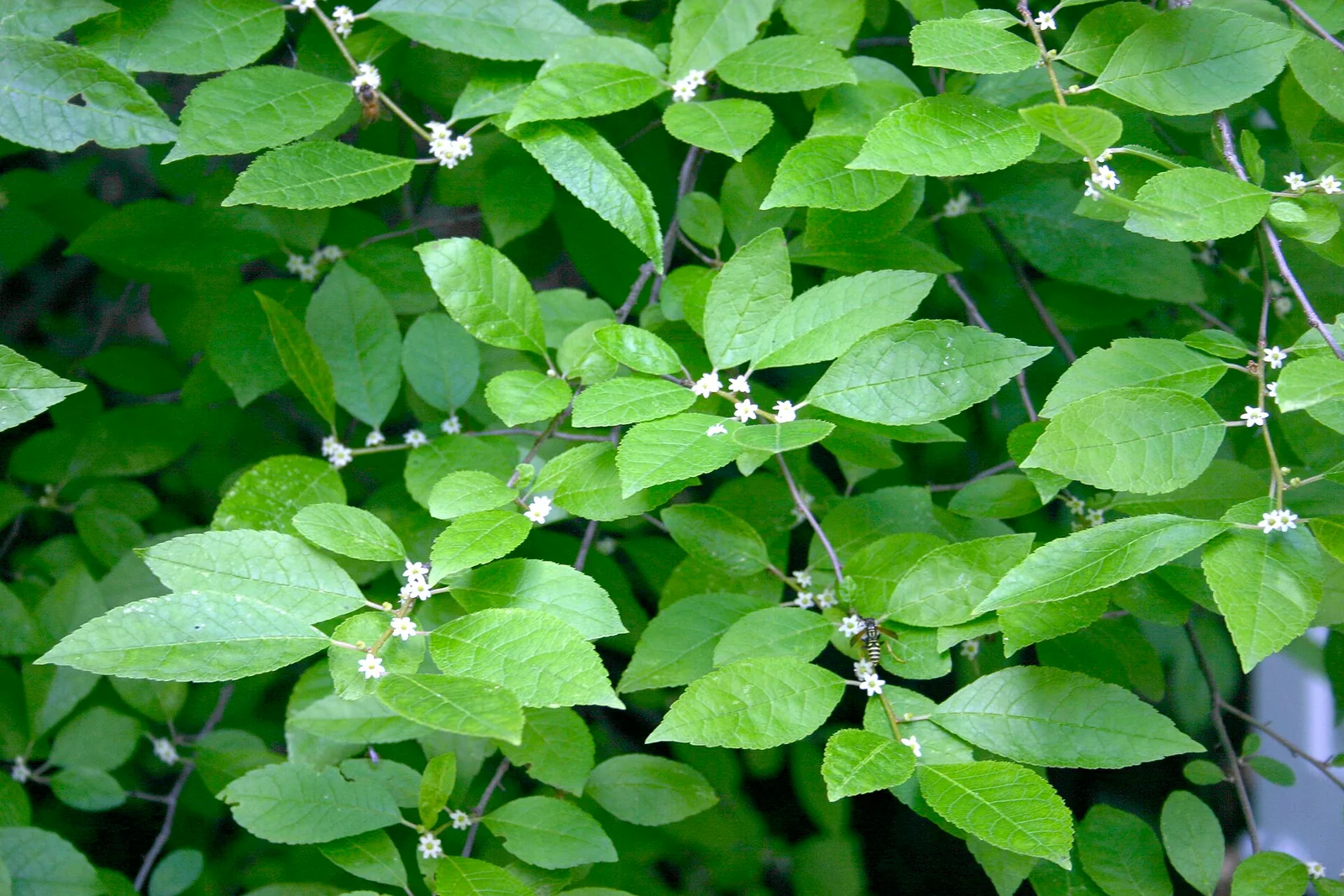
In leaf · Apr–Aug
Dense dark green toothed oval leaves, green berries hidden.
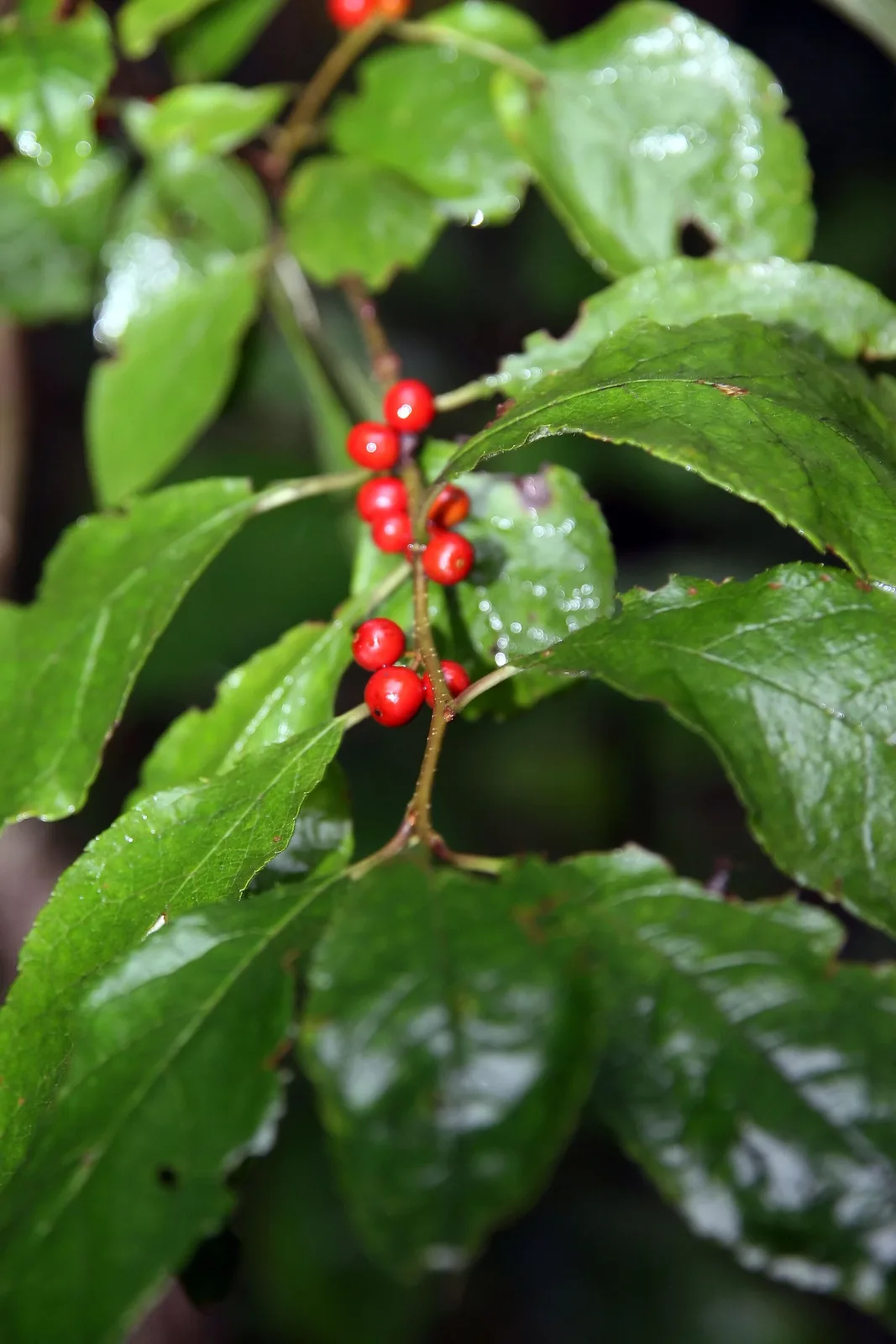
Fall · Sep–Oct
Leaves dull yellow-green, some darkening, individual leaves still visible, not a black silhouette; bright red berries crowding the stems.
Photos



Growing Winterberry Holly
- Grows well in
- The Northeast, the Southeast, and the Midwest.
- Growth rate
- Slow
- Good for
- Hedge, foundation planting, rain garden, deer resistant, and winter interest
- Leaves
- Drops its leaves in winter
- Native to
- Central and Eastern North America
Spacing for a hedge
VeraScape spaces plants so their grown canopies just touch. For Winterberry Holly, that’s about 9 ft apart, center to center.
Place a row in your own yard and VeraScape spaces them at their mature width, so you can see whether they’ll crowd the walk.
See Winterberry Holly in your yard before you dig
Visualize it at its true size, alongside the rest of your design.
Other hollies
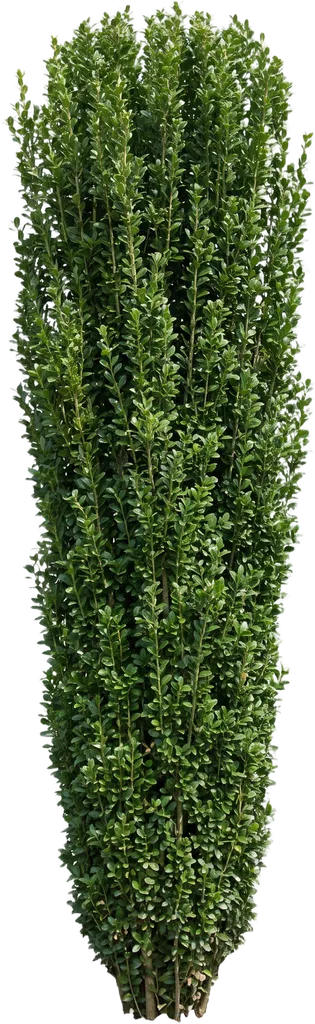 Sky Pencil Holly
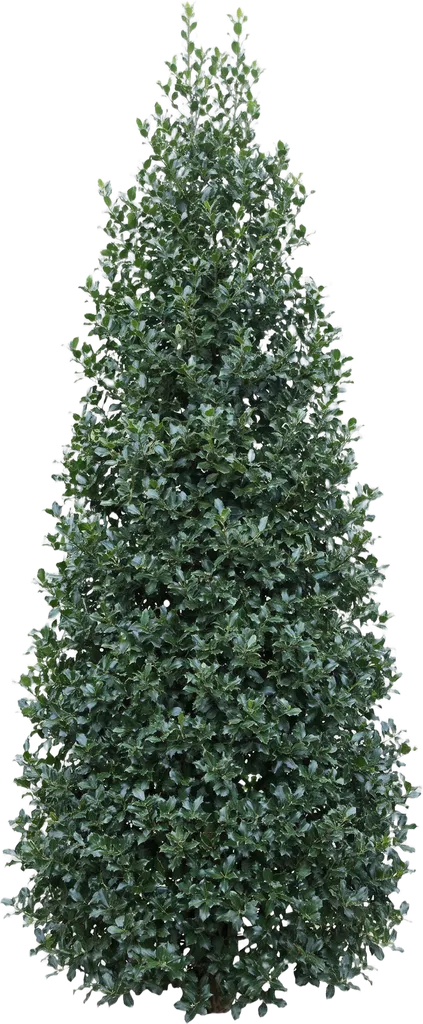 Castle Spire Holly
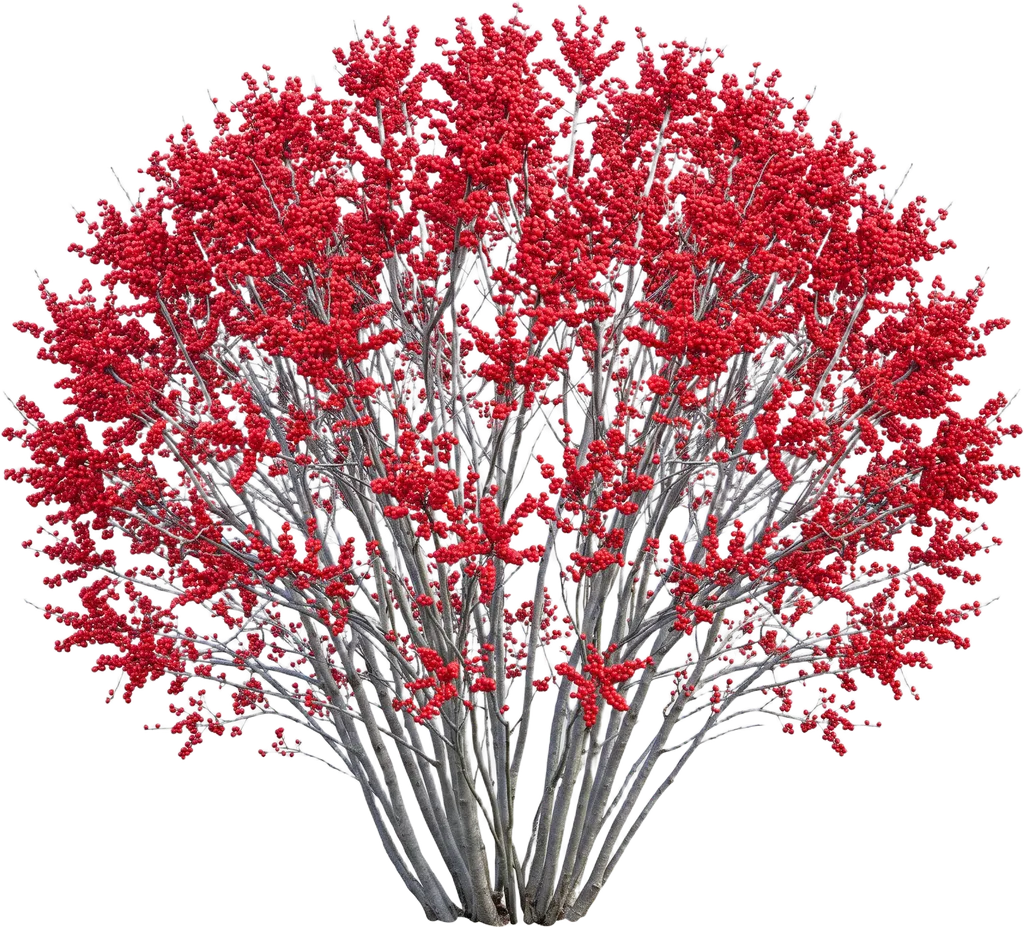 Winterberry Holly
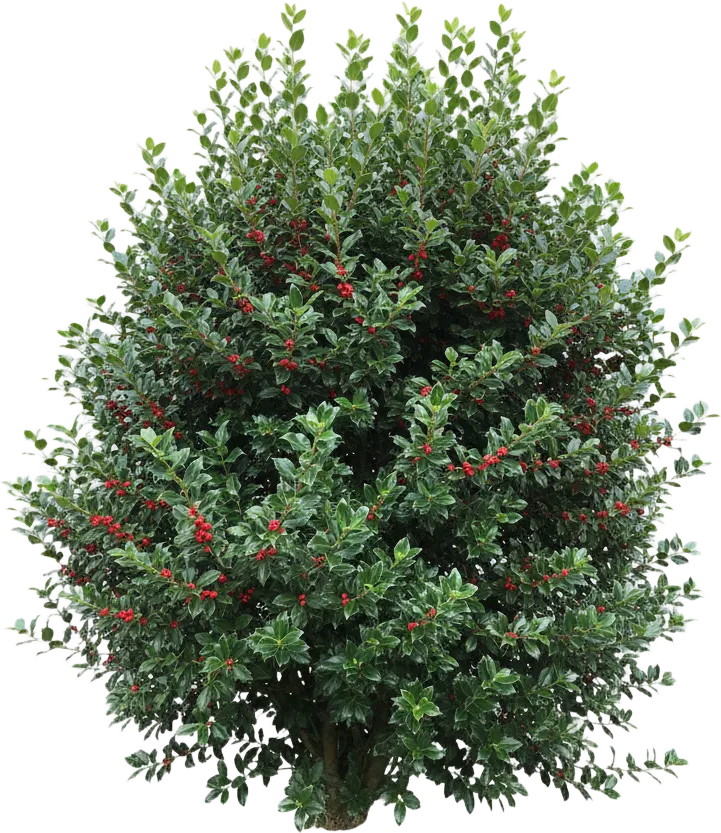 Meserve Holly
All drawn to the same scale.