Turk's Cap
Malvaviscus arboreus var. drummondii
An old-fashioned Southern native with red, swirled flowers that never fully open, blooming from summer to frost and loved by hummingbirds and butterflies, then red fruit for birds. It's one of the best flowering shrubs for shade, drought tolerant once settled and largely pest-free. Prune it back in spring.
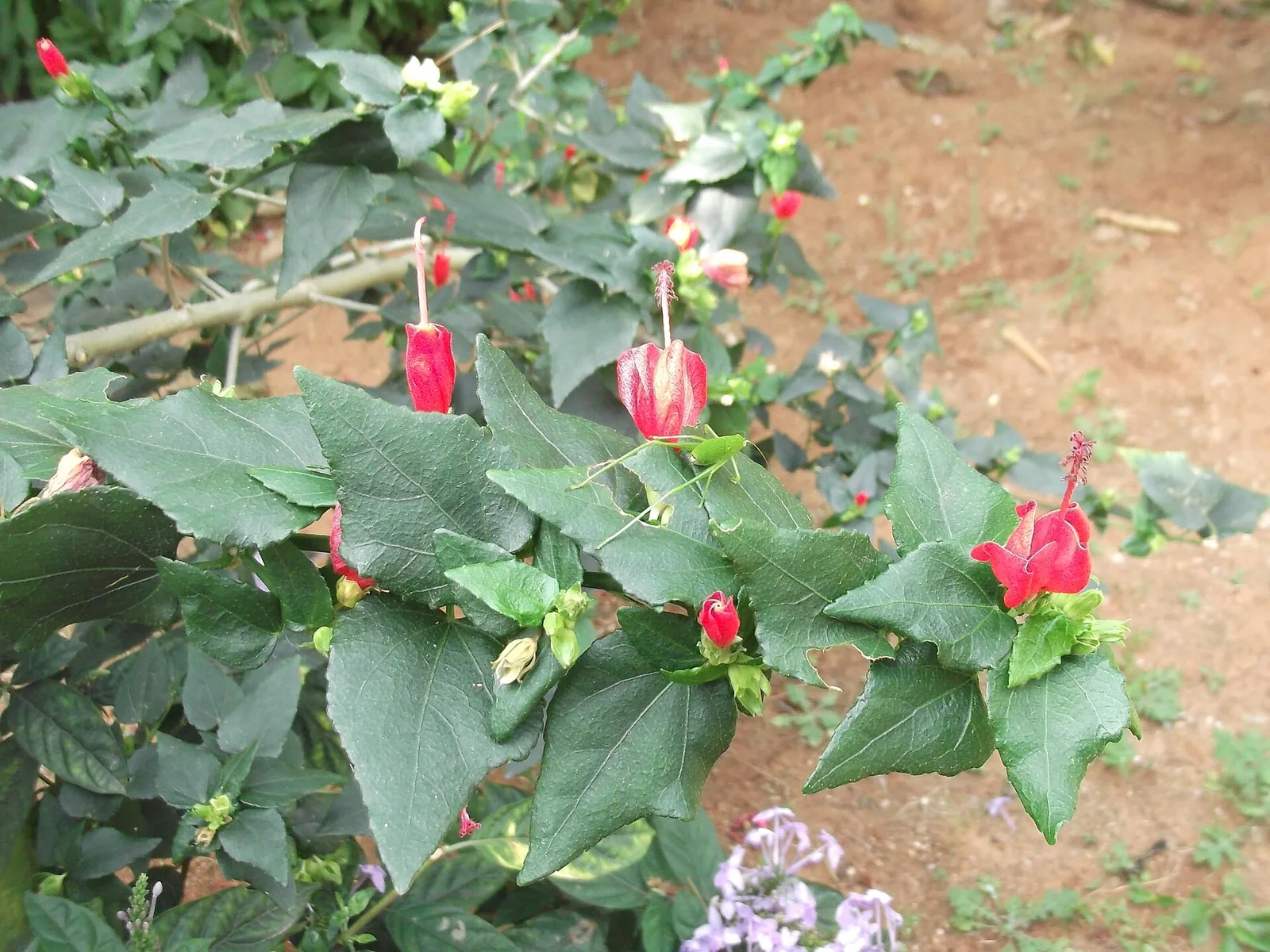
- Mature size
- 4 × 4 ft
- 1.2 × 1.2 m, tall × wide
- Hardiness
- Zones 7a–10b
- USDA
- Sun
- Part sun to part shade
- Water
- Medium to moist
- Blooms
- Jun–Oct
Turk's Cap at its mature size
A mature Turk's Cap grows to about 4 ft tall and 4 ft wide.
Drawn to scale beside a 5 ft 9 in person. With VeraScape, you see it at this size in your own yard.
Typical mature size, unpruned. Sources: npsot.org, Lady Bird Johnson Wildflower Center, UF/IFAS Extension.
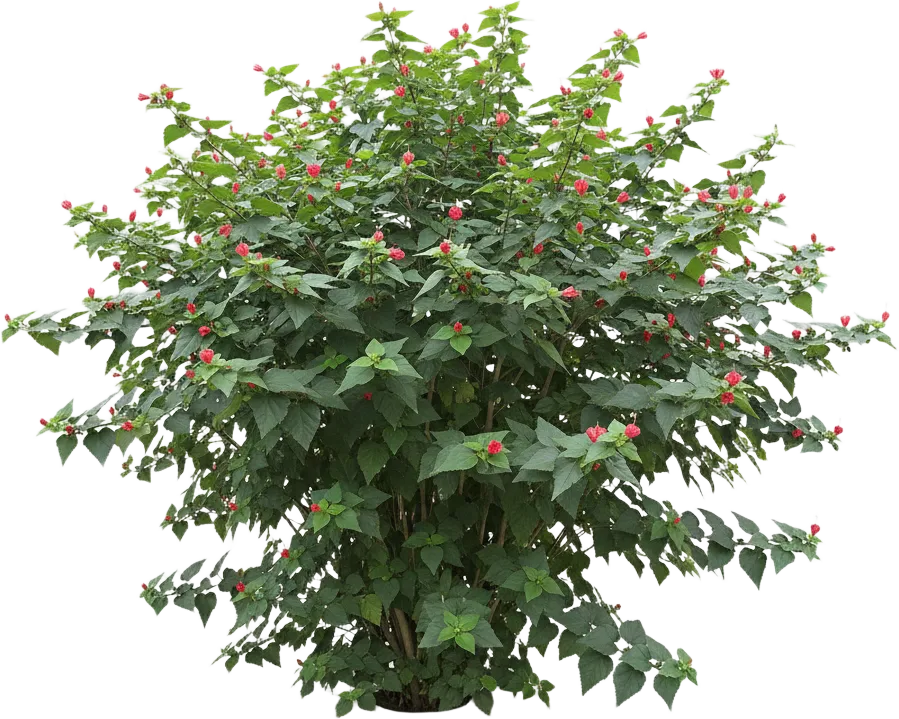

Through the year
What Turk's Cap looks like month by month in a typical zone 6–7 garden.
Dormant · Nov–May
Frozen back to low stems or fresh leaves, no flowers.
In flower · Jun–Oct
Velvety lobed leaves with small red swirled flowers.
Photos
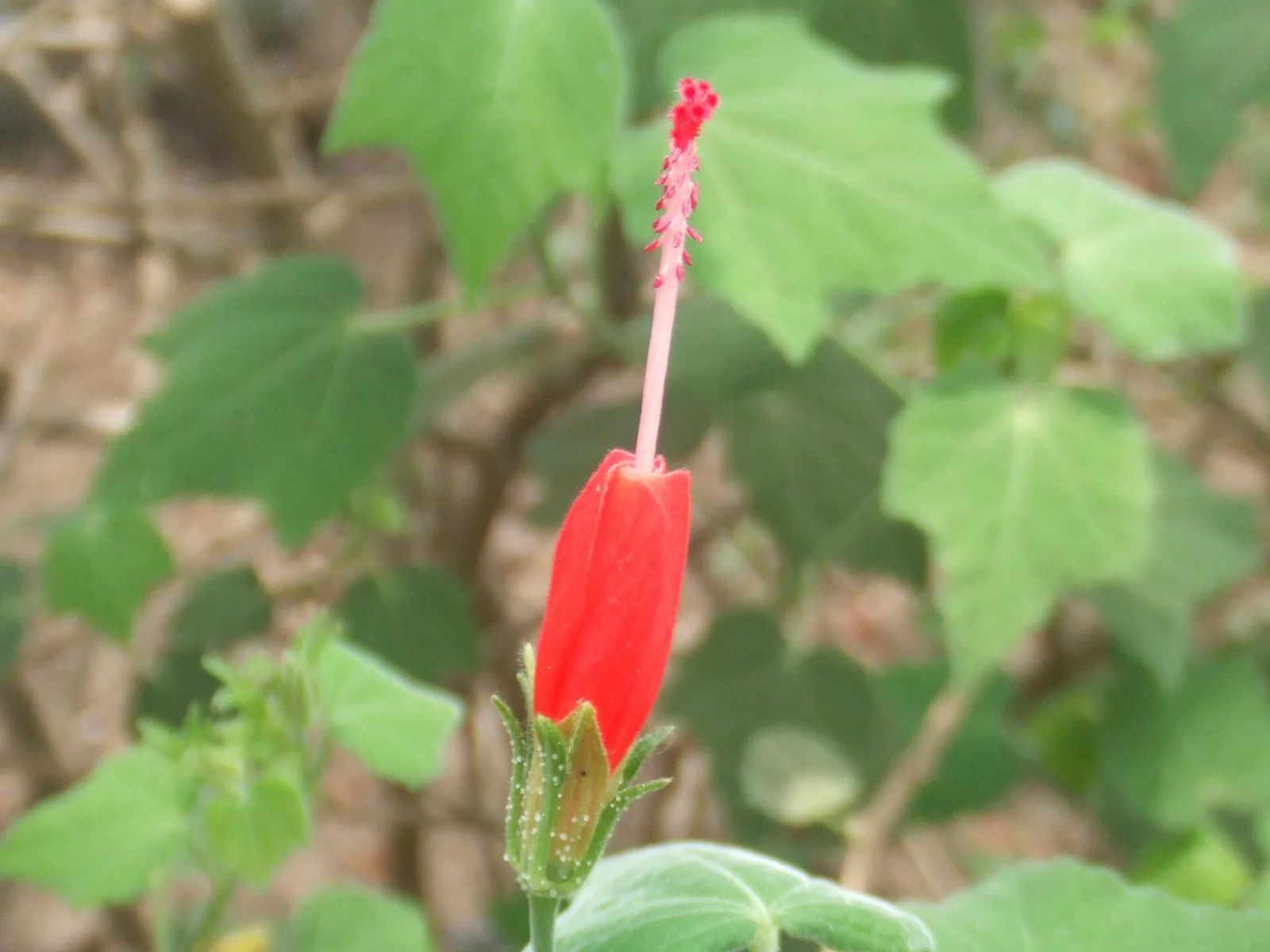

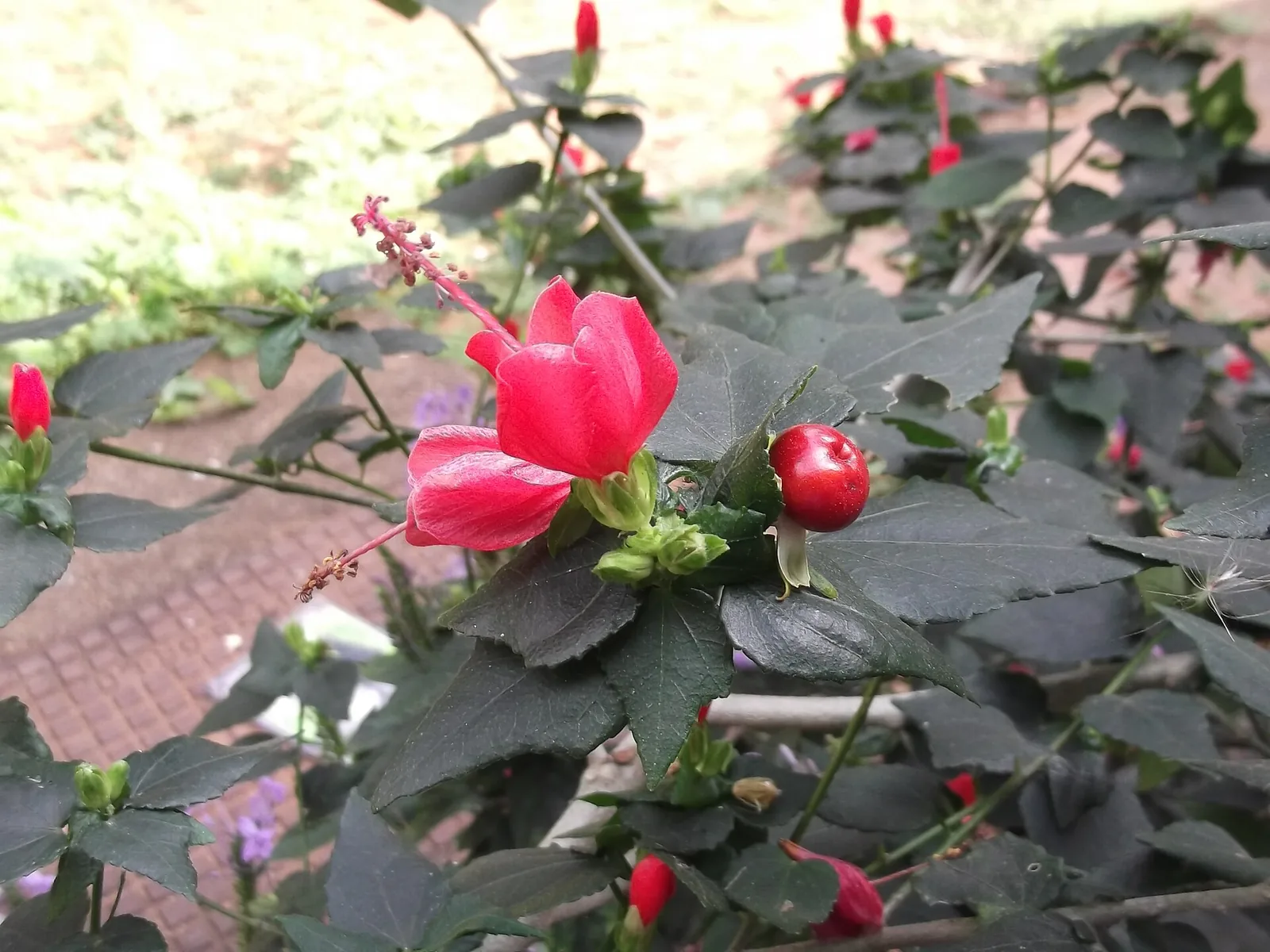

Growing Turk's Cap
- Grows well in
- The Plains and Mountain West and the Southeast.
- Growth rate
- Medium
- Good for
- Small space, foundation planting, shade garden, deer resistant, and pollinators
- Leaves
- Drops its leaves in winter
- Native to
- Texas, Southeastern United States, and Mexico
Spacing
VeraScape spaces plants so their grown canopies just touch. For Turk's Cap, that’s about 4 ft apart, center to center.
Place a row in your own yard and VeraScape spaces them at their mature width, so you can see whether they’ll crowd the walk.
See Turk's Cap in your yard before you dig
Visualize it at its true size, alongside the rest of your design.