Tulip Tree
Liriodendron tulipifera
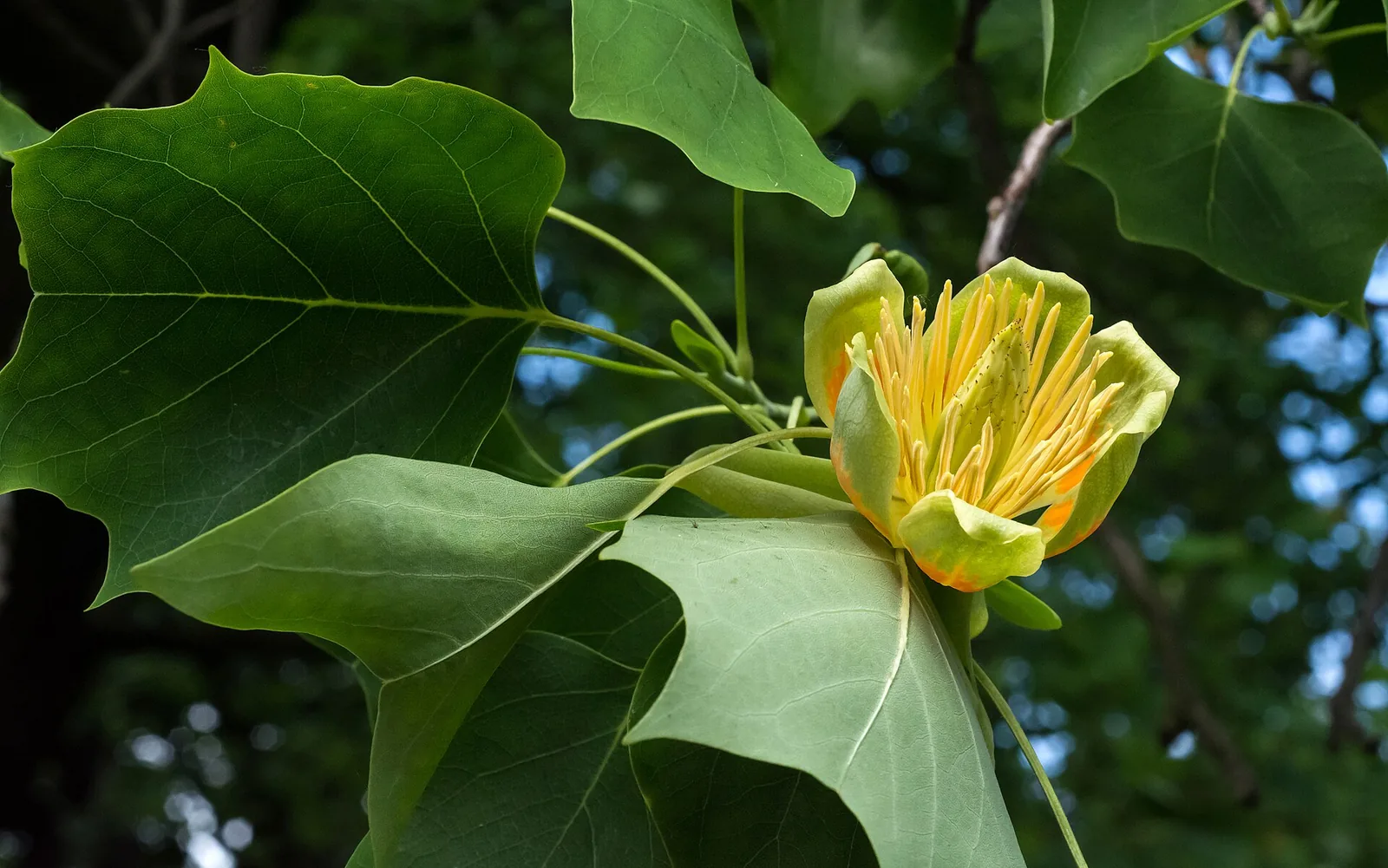
One of the largest and fastest-growing eastern native trees, with tulip-shaped yellow and orange flowers in late spring and golden fall colour, a stately shade tree for big lawns. It isn't a street tree or one for small gardens: its wood is weak in wind and ice, and it sulks in heat, drought and compacted soil.
- Mature size
- 75 × 40 ft
- 23 × 12 m, tall × wide
- Hardiness
- Zones 4a–9b
- USDA
- Sun
- Full sun
- Water
- Dry to moist
- Blooms
- May–Jun
- Fall color Oct
Tulip Tree at its mature size
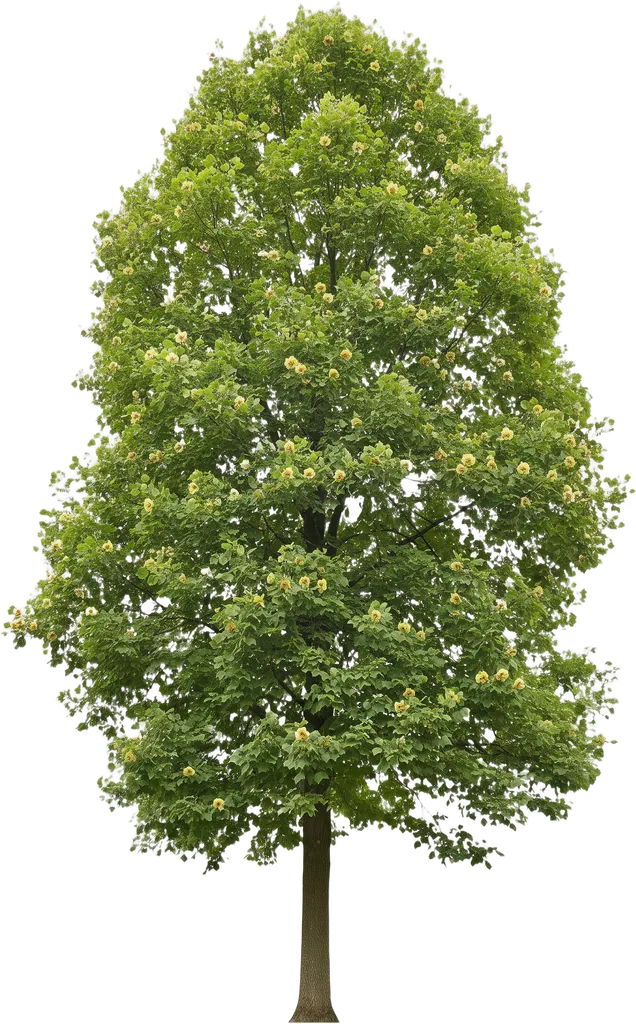
A mature Tulip Tree grows 60 to 90 feet tall and 30 to 50 feet wide, taller than most people.
Drawn to scale beside a 5 ft 9 in person. With VeraScape, you see it at this size in your own yard.
Typical mature size, unpruned. Sources: Missouri Botanical Garden.

Through the year
What Tulip Tree looks like month by month in a typical zone 6–7 garden.
Dormant · Nov–Mar
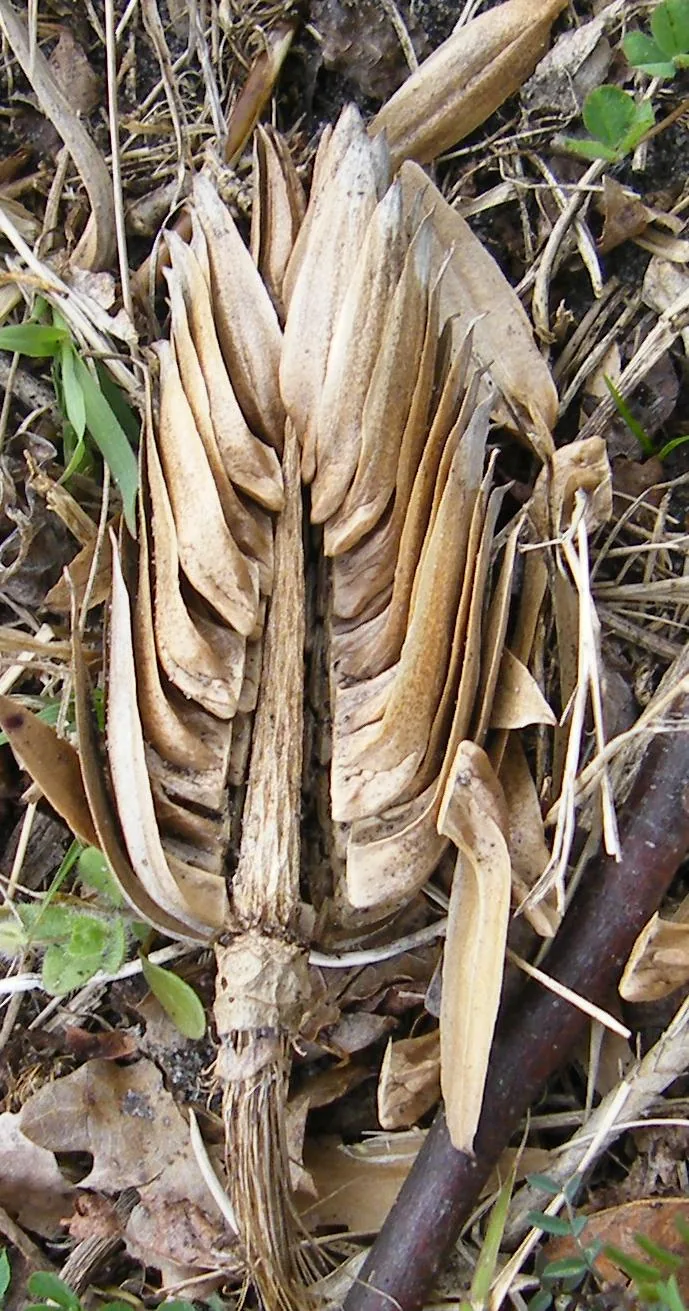
Bare: tall straight trunk, upright branches, brown seed cones at tips.
In leaf · Apr–Sep
Bright green tulip-shaped leaves.
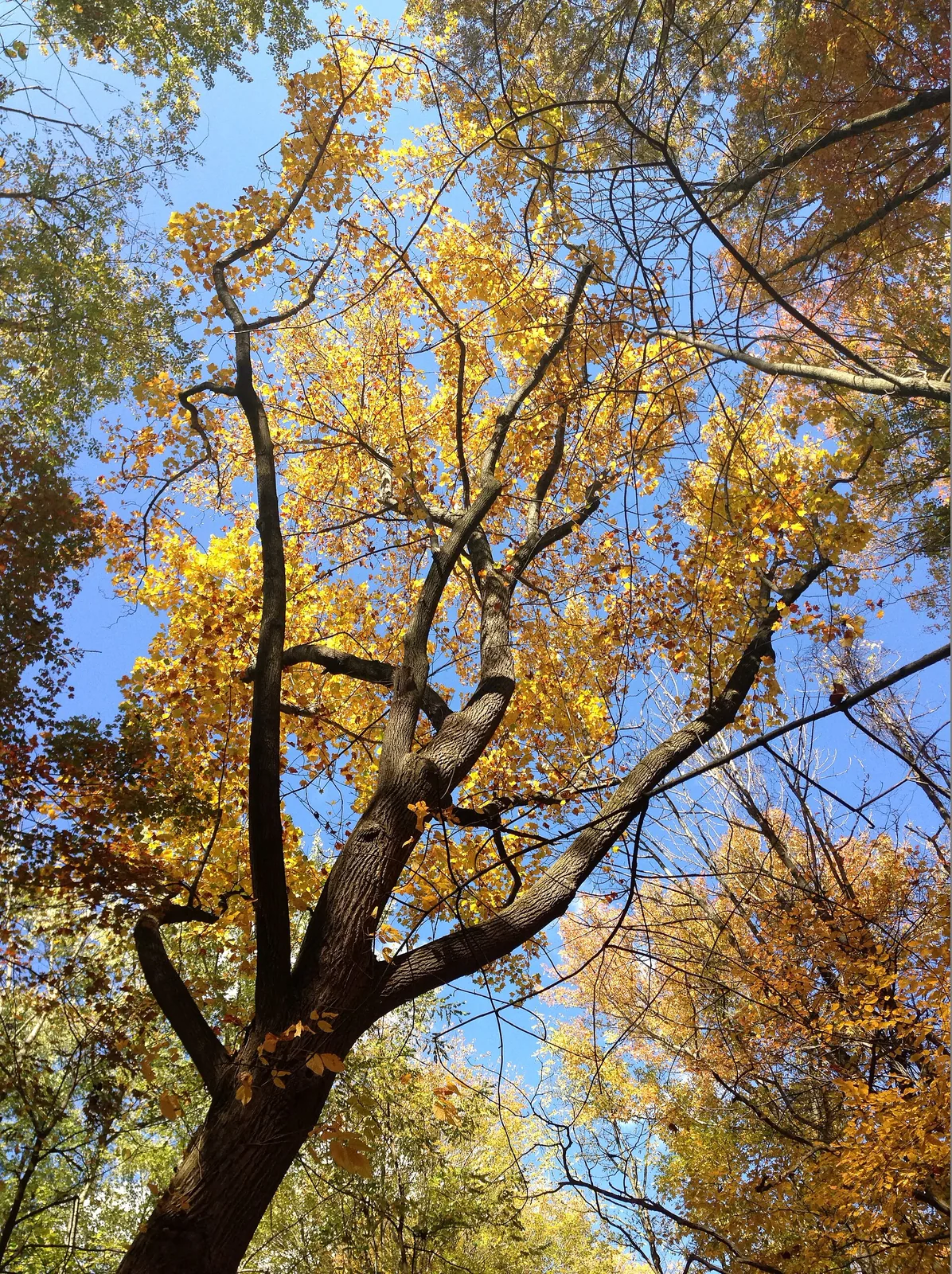
Fall · Oct
Clear golden yellow, fairly bright.
Photos



Growing Tulip Tree
- Grows well in
- The Northeast, the Southeast, the Midwest, and the Pacific Northwest.
- Growth rate
- Fast
- Good for
- Specimen, drought tolerant, rain garden, deer resistant, pollinators, fall color, and fast growing
- Leaves
- Drops its leaves in winter
- Native to
- Eastern North America and Central North America
Spacing
VeraScape spaces plants so their grown canopies just touch. For Tulip Tree, that’s about 40 ft apart, center to center.
Place a row in your own yard and VeraScape spaces them at their mature width, so you can see whether they’ll crowd the walk.
See Tulip Tree in your yard before you dig
Visualize it at its true size, alongside the rest of your design.