Switchgrass
Panicum virgatum
An upright native prairie grass with blue-green leaves under airy, pink-tinged flower clouds, turning yellow-orange in fall and standing through winter, when its seeds feed birds. It's a fine screen or accent, takes clay, wet spells and drought, and deer leave it alone. In shade it grows loose and flops.
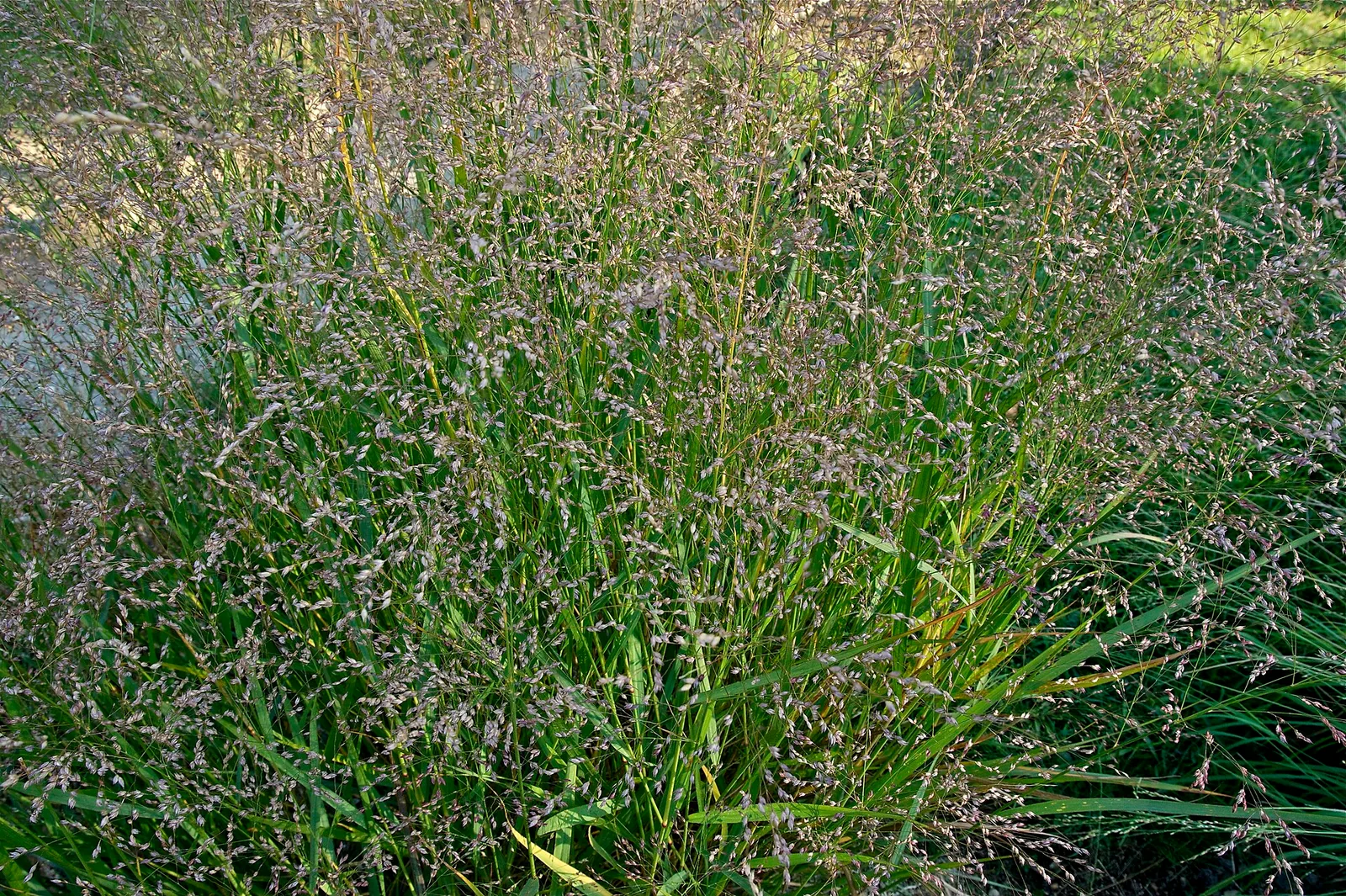
- Mature size
- 5 × 2.5 ft
- 1.5 × 0.8 m, tall × wide
- Hardiness
- Zones 5a–9b
- USDA
- Sun
- Full sun to part shade
- Water
- Dry to moist
- Blooms
- Aug–Oct
- Fall color Oct–Nov
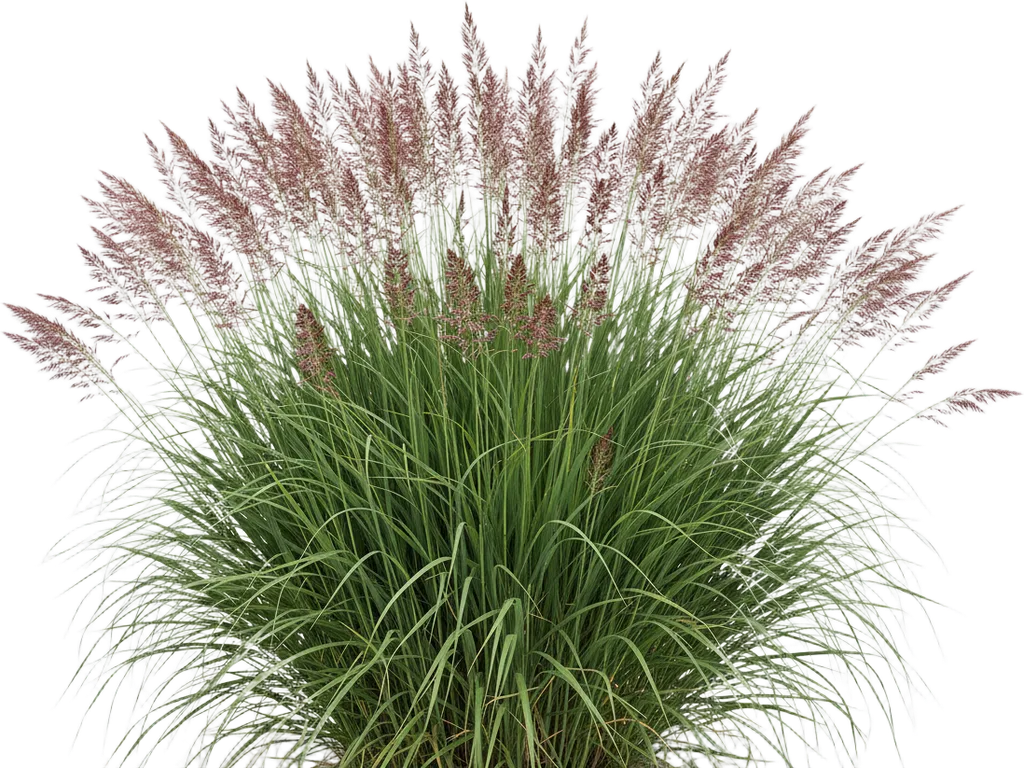
Switchgrass at its mature size
A mature Switchgrass grows 3 to 7 feet tall and 2 to 3 feet wide.
Drawn to scale beside a 5 ft 9 in person. With VeraScape, you see it at this size in your own yard.
Typical mature size, unpruned. Sources: NC State Extension.

Through the year
What Switchgrass looks like month by month in a typical zone 6–7 garden.
Dormant · Dec–Feb
Straw-beige, standing upright.
Below ground · Mar–Apr
Cut back; new shoots barely out of the ground.
In leaf · May–Jul
Stiffly upright clump of narrow blue-green leaves, no flowers.
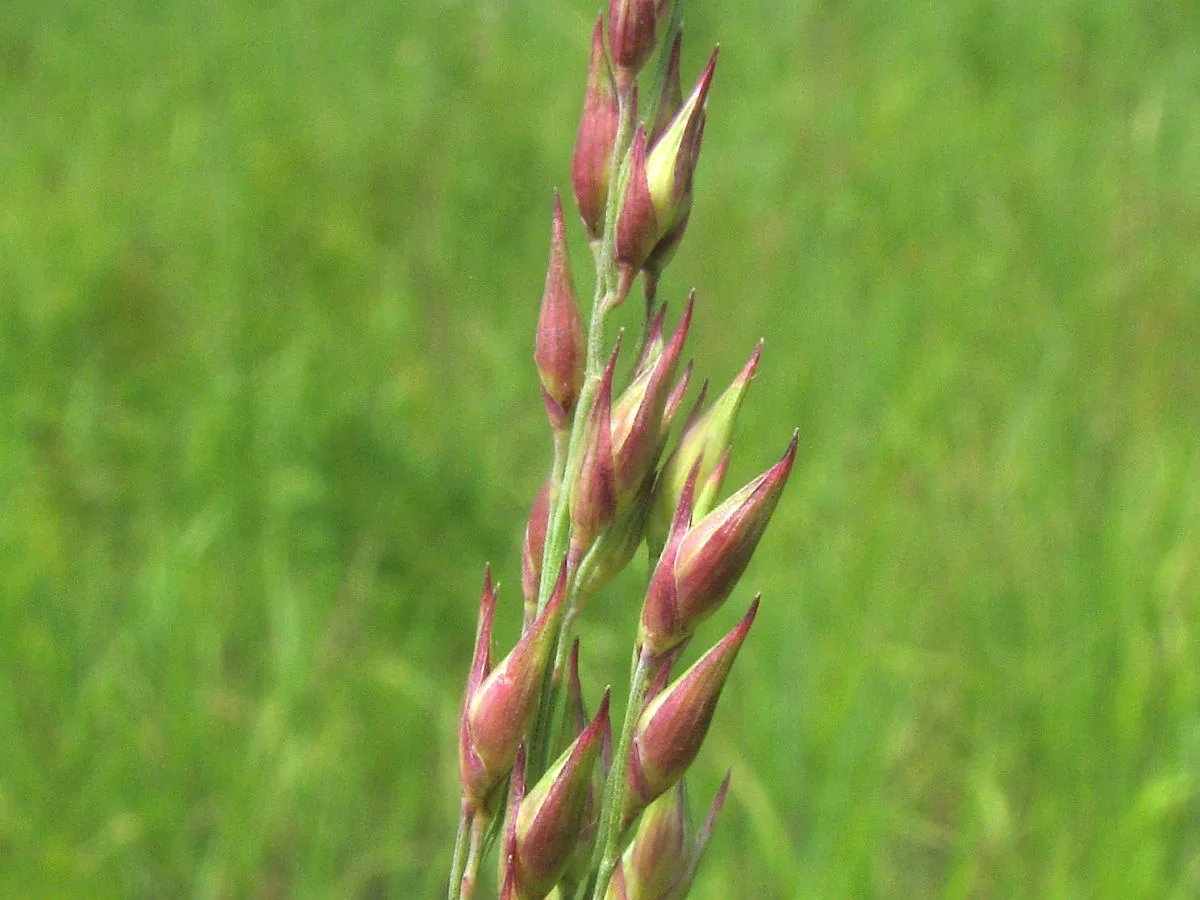
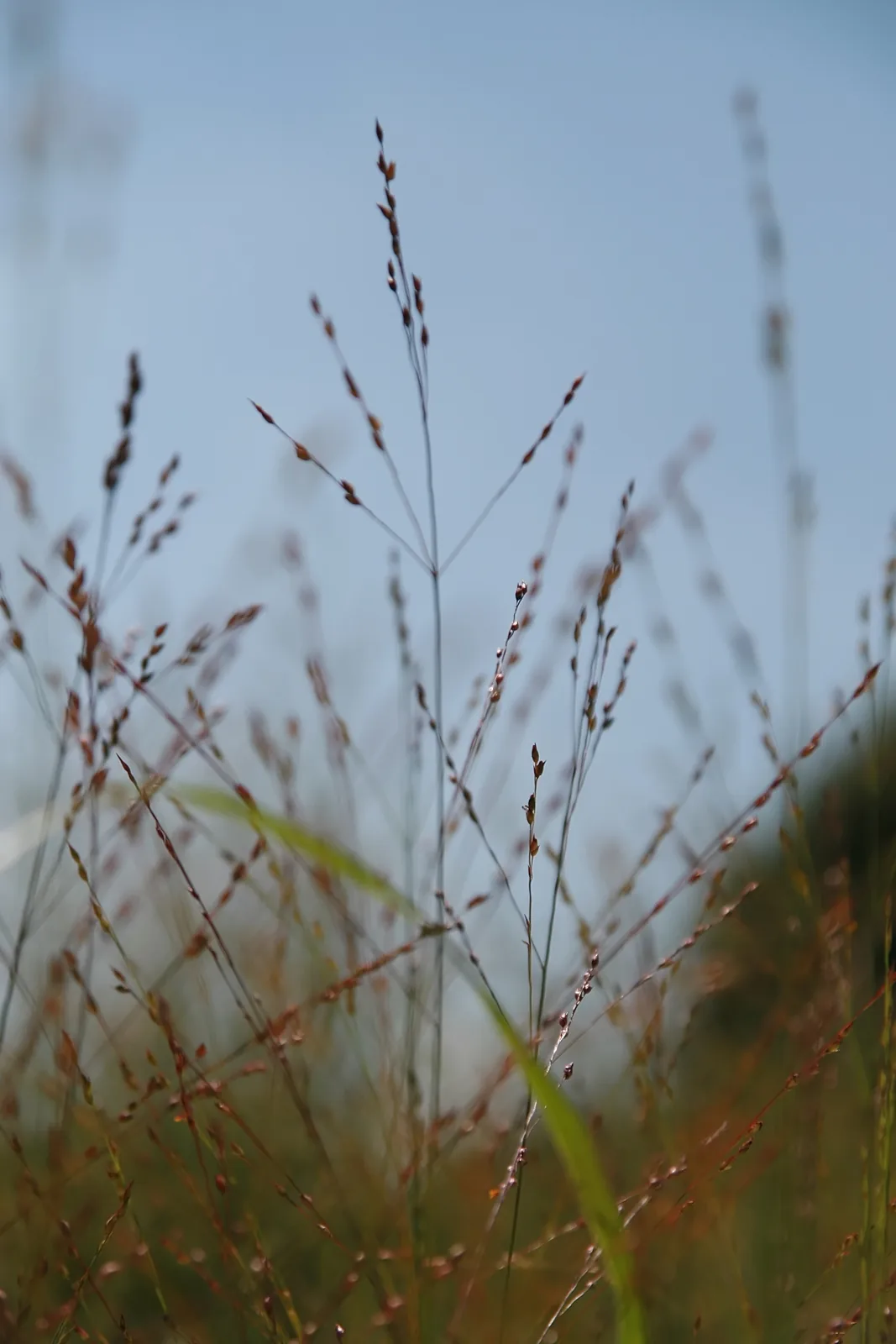
In flower · Aug–Sep
Airy pink-purple haze of open panicles above the leaves.
Fall · Oct–Nov
Golden yellow to orange, bright; seed heads tan.
Photos


Growing Switchgrass
- Grows well in
- The Northeast, the Southeast, the Midwest, and the Plains and Mountain West.
- Growth rate
- Medium
- Good for
- Drought tolerant, rain garden, deer resistant, fall color, and winter interest
- Leaves
- Dies back in winter
- Native to
- North America
Spacing
VeraScape spaces plants so their grown canopies just touch. For Switchgrass, that’s about 2.5 ft apart, center to center.
Place a row in your own yard and VeraScape spaces them at their mature width, so you can see whether they’ll crowd the walk.
See Switchgrass in your yard before you dig
Visualize it at its true size, alongside the rest of your design.