Sago Palm
Cycas revoluta
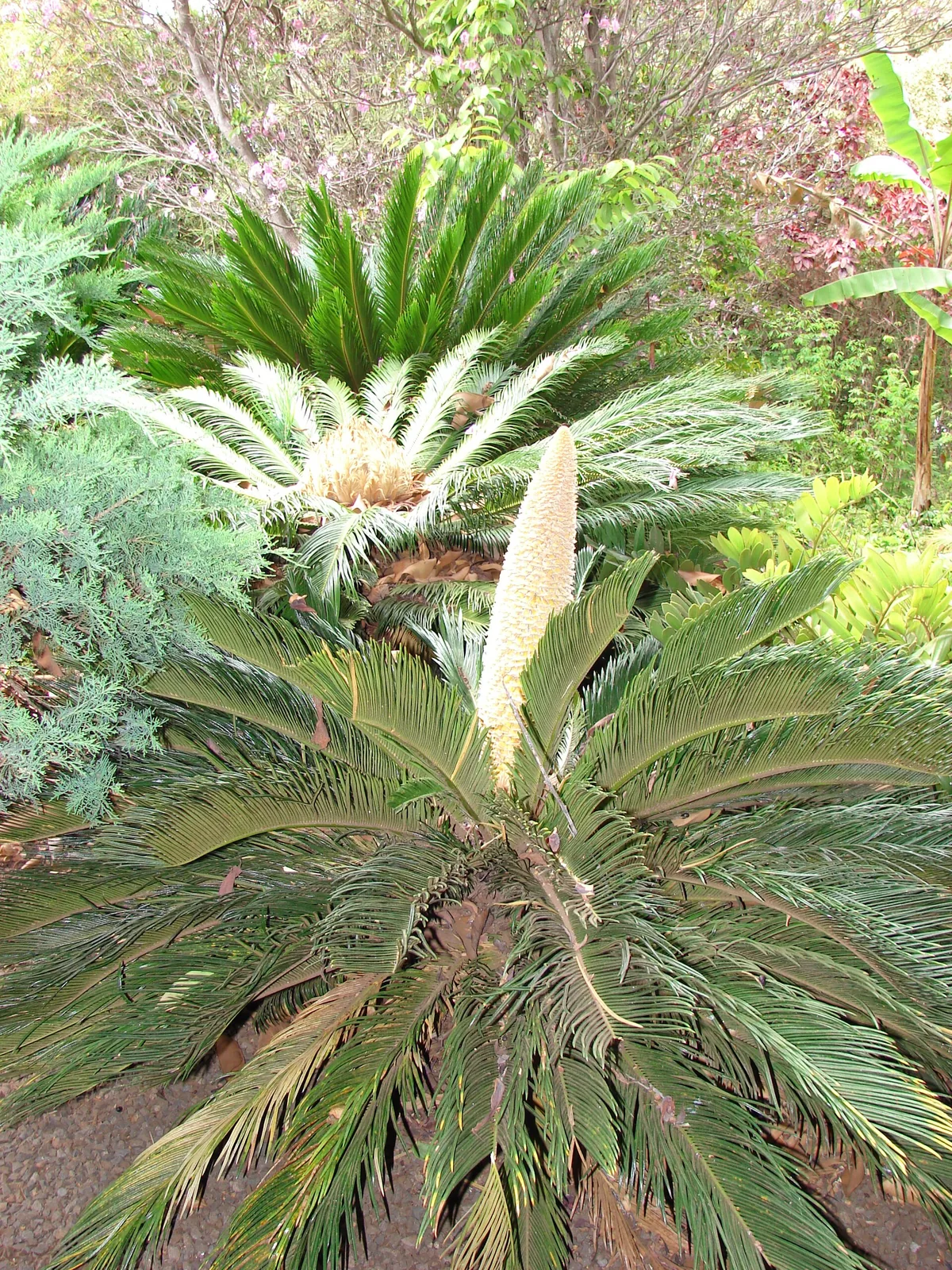
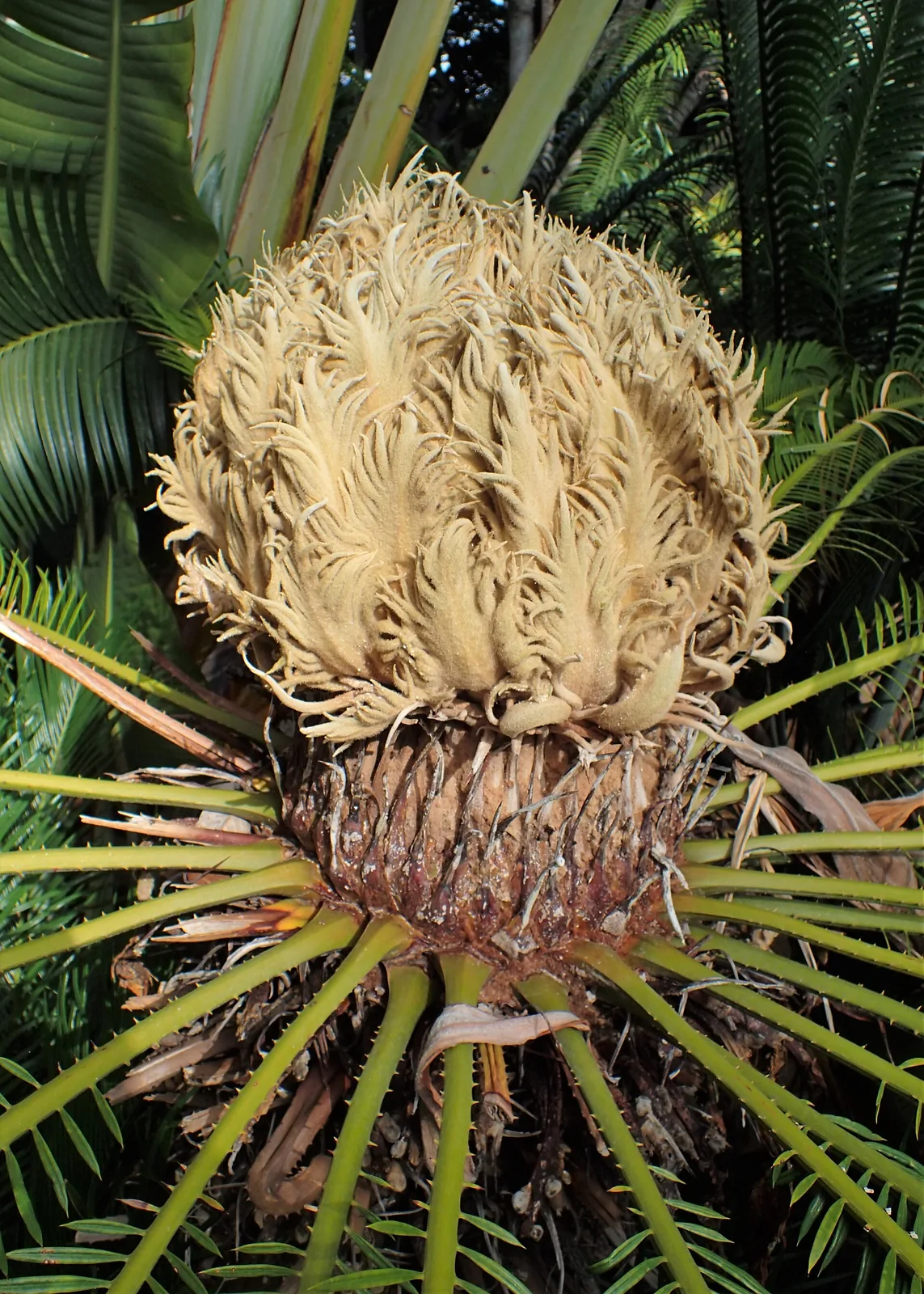
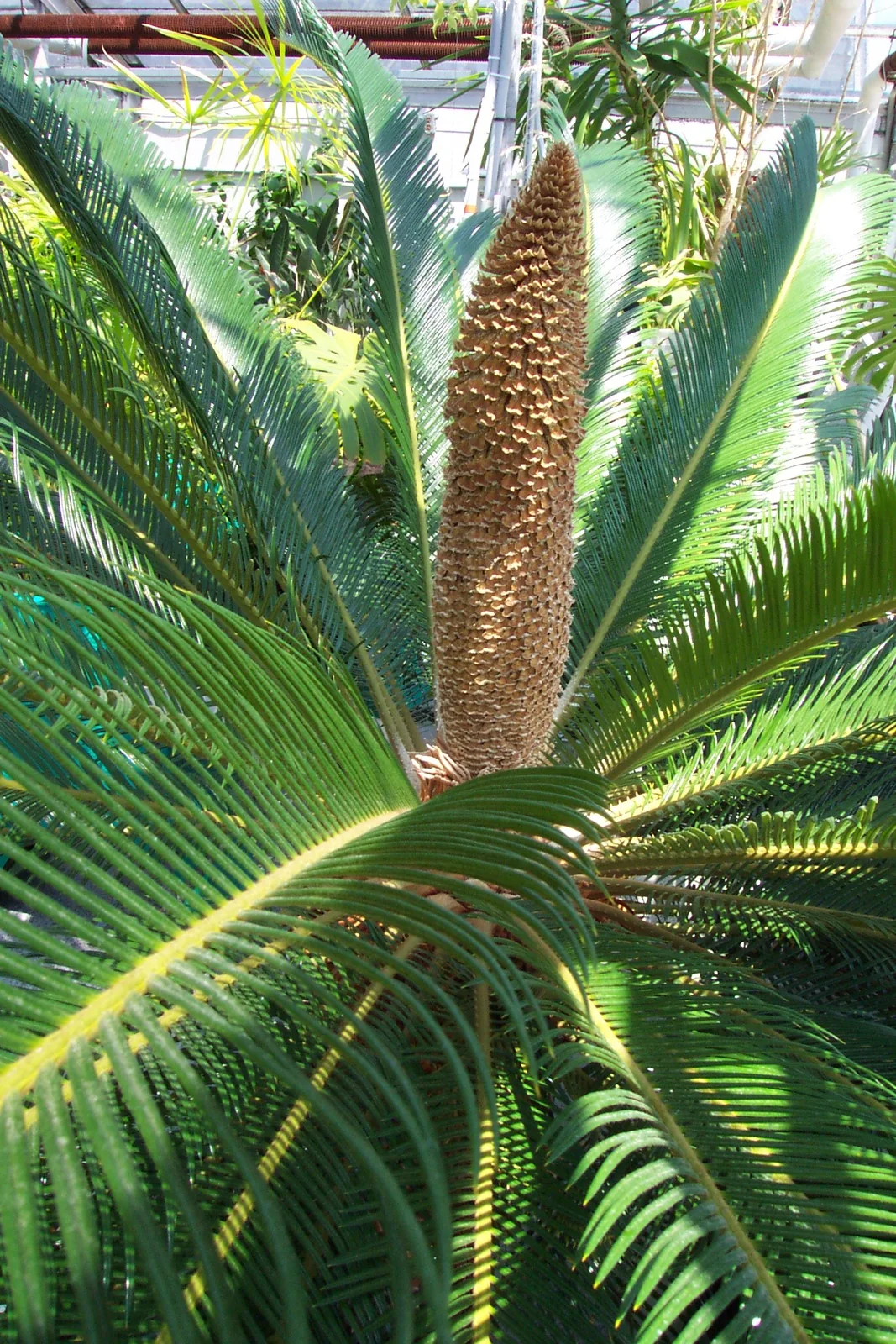
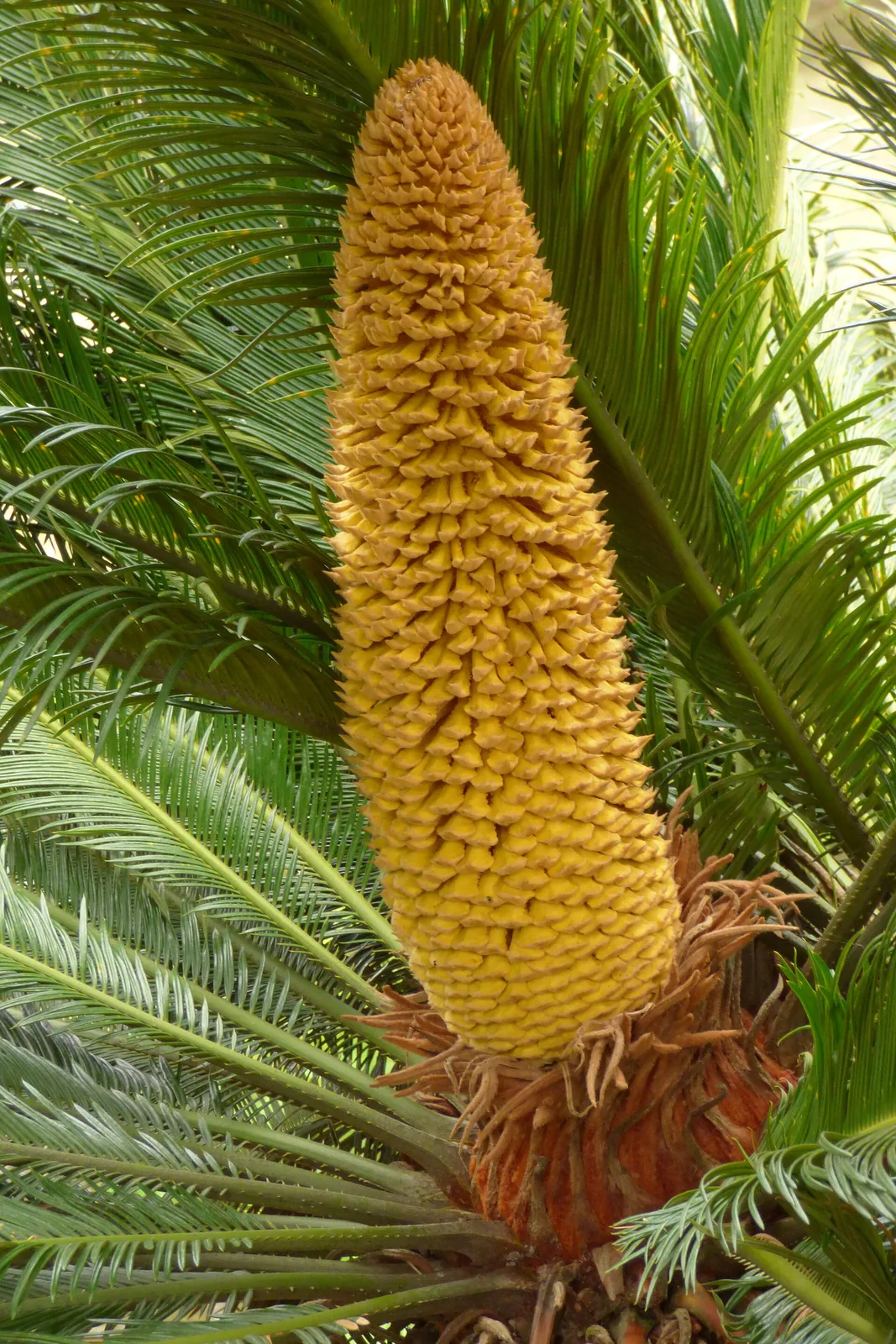
A slow-growing, ancient-looking cycad with a crown of stiff, glossy, feather-like leaves on a shaggy trunk, a striking accent or long-lived pot plant. It's low-care and drought tolerant once settled, in soil that drains. Every part is highly poisonous, and pets are drawn to it, so site it with care.

- Mature size
- 5 × 5 ft
- 1.5 × 1.5 m, tall × wide
- Hardiness
- Zones 9a–11b
- USDA
- Sun
- Part sun to part shade
- Water
- Medium to moist
Sago Palm at its mature size
A mature Sago Palm grows 3 to 10 feet tall and just as wide.
Drawn to scale beside a 5 ft 9 in person. With VeraScape, you see it at this size in your own yard.
Typical mature size, unpruned. Sources: NC State Extension, The Tree Center.
Through the year
What Sago Palm looks like month by month in a typical zone 6–7 garden.
In leaf · Year-round
Stiff glossy dark green feather-like fronds.
Photos



Growing Sago Palm
- Grows well in
- The Southeast, the Plains and Mountain West, the desert Southwest, and California.
- Growth rate
- Slow
- Good for
- Hedge, small space, foundation planting, and shade garden
- Leaves
- Evergreen
- Native to
- Southern Japan
Spacing for a hedge
VeraScape spaces plants so their grown canopies just touch. For Sago Palm, that’s about 5 ft apart, center to center.
Place a row in your own yard and VeraScape spaces them at their mature width, so you can see whether they’ll crowd the walk.
See Sago Palm in your yard before you dig
Visualize it at its true size, alongside the rest of your design.
Other palms
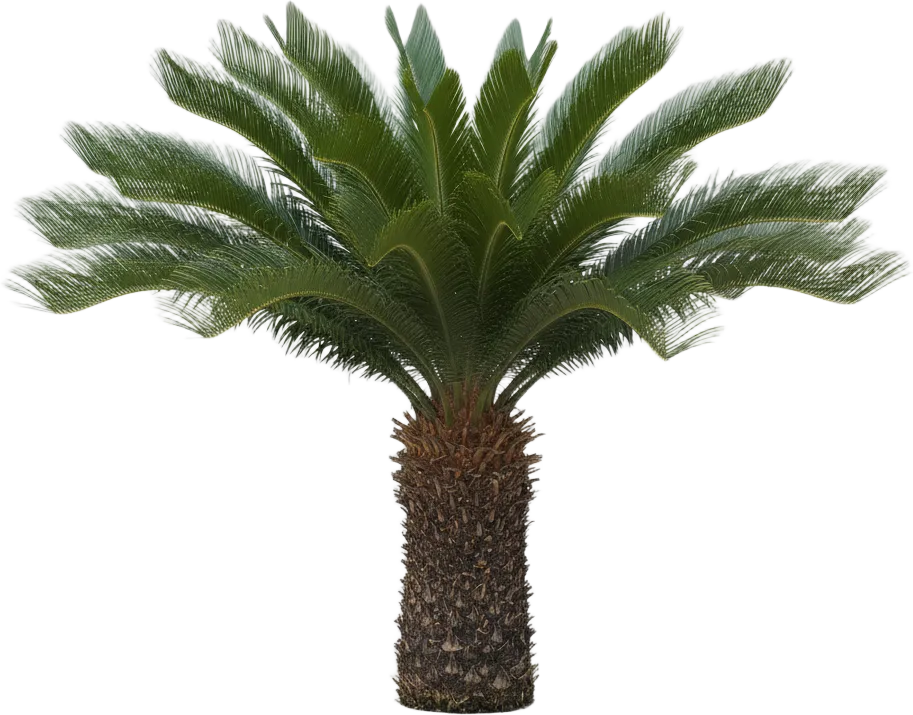 Sago Palm
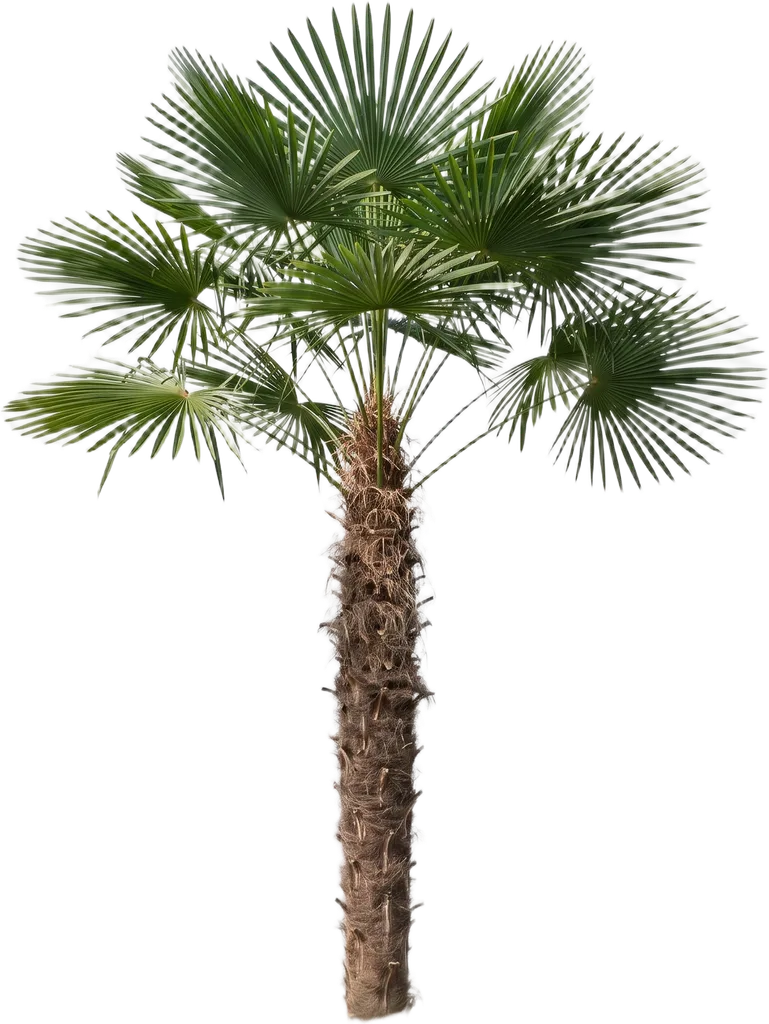 Windmill Palm
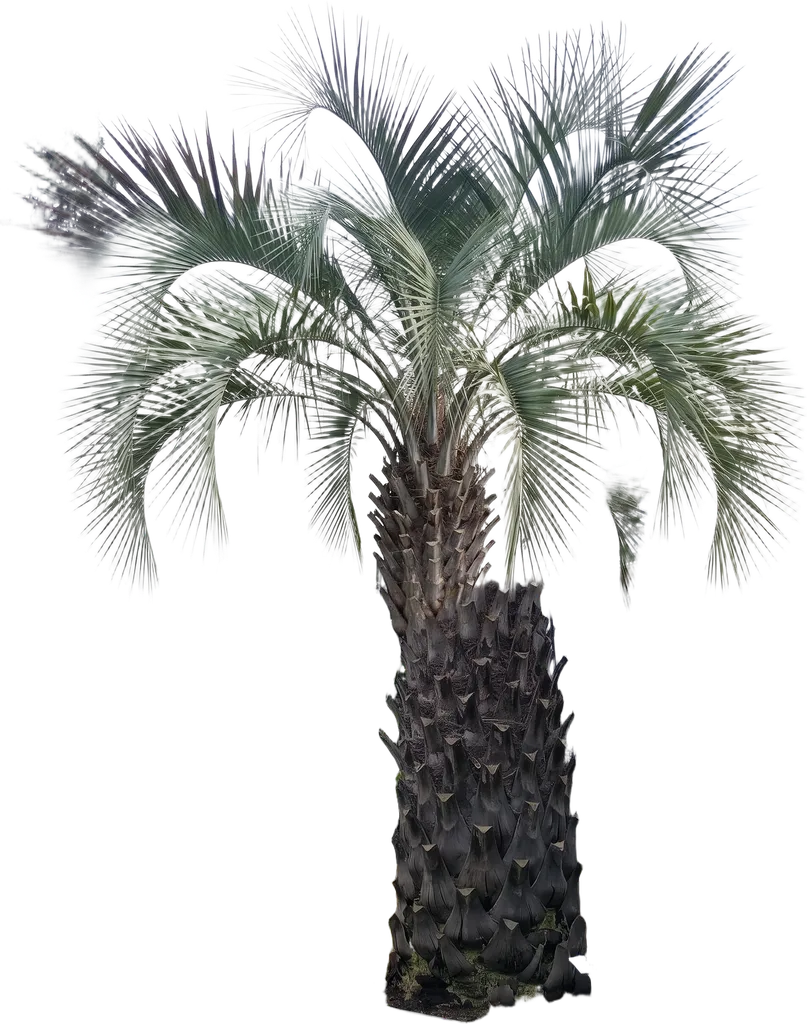 Pindo Palm
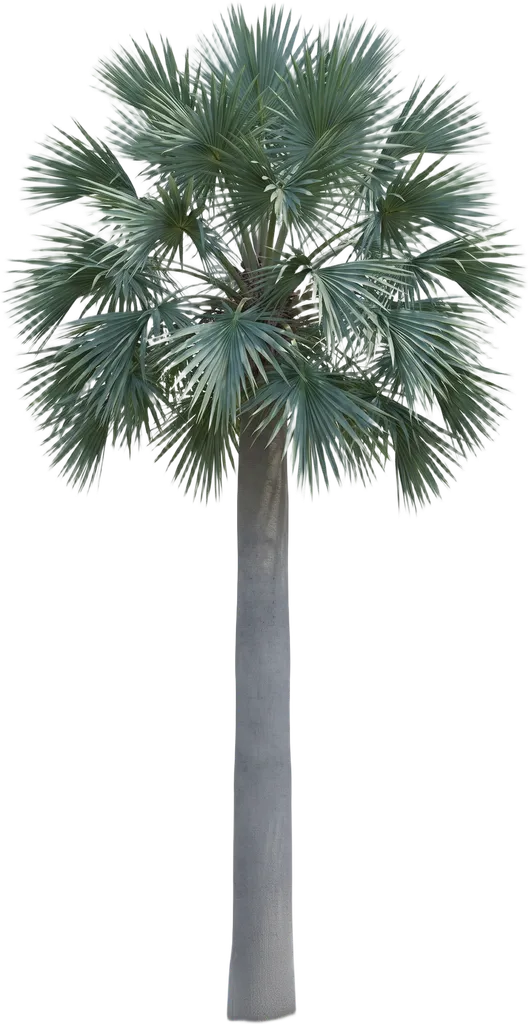 Cabbage Palmetto
All drawn to the same scale.