Prairie Dropseed
Sporobolus heterolepis
A fine-textured native prairie grass that forms a graceful fountain of glossy green, turns deep orange then copper in fall and stands up to snow all winter, with airy flowers whose scent is likened to buttered popcorn. It's slow to establish but long-lived, holds banks against erosion, and takes clay, drought and deer.
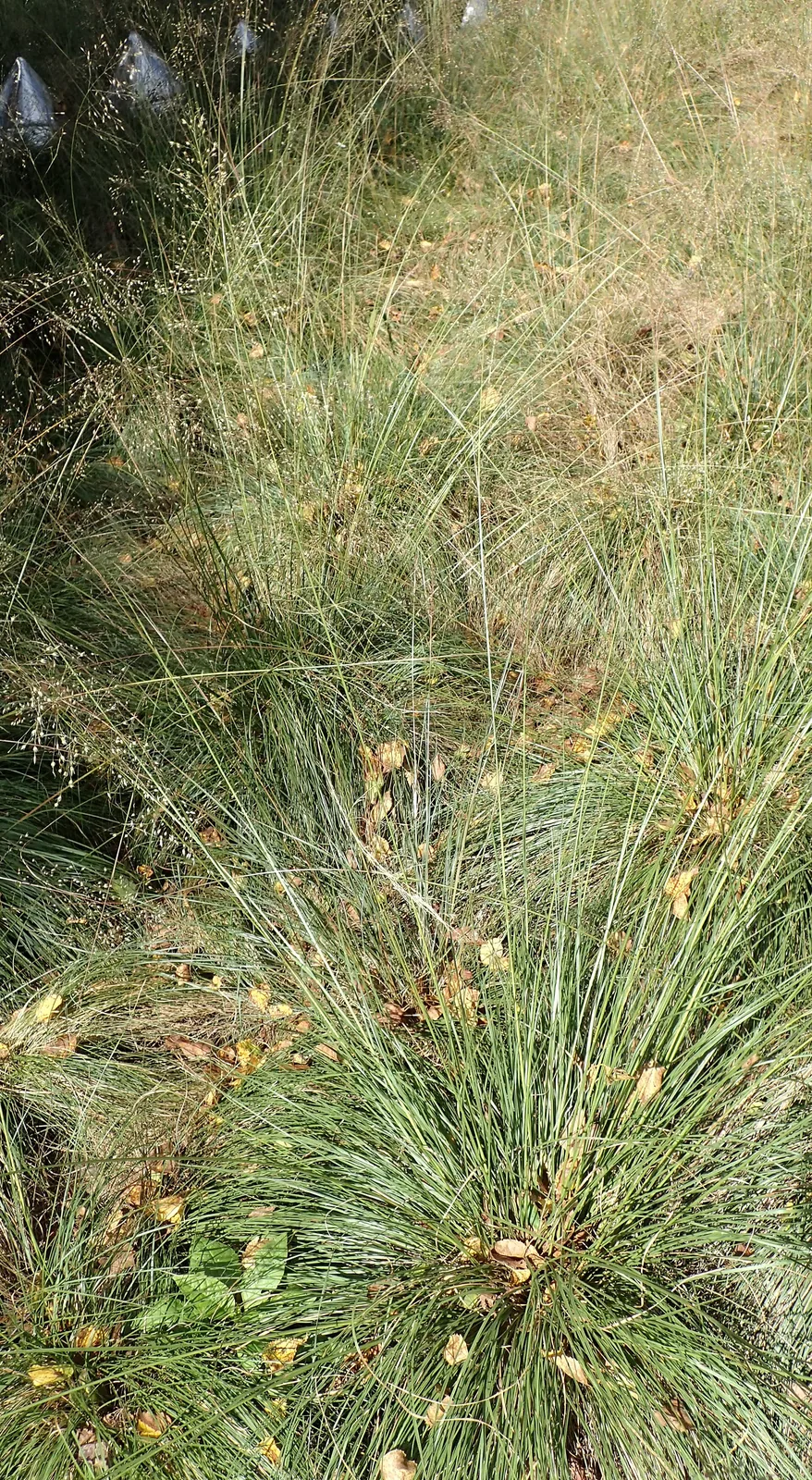
- Mature size
- 2.5 × 2.5 ft
- 0.8 × 0.8 m, tall × wide
- Hardiness
- Zones 3a–9b
- USDA
- Sun
- Full sun
- Water
- Dry
- Blooms
- Aug–Sep
- Fall color Oct–Nov
Prairie Dropseed at its mature size
A mature Prairie Dropseed grows 2 to 3 feet tall and just as wide.
Drawn to scale beside a 5 ft 9 in person. With VeraScape, you see it at this size in your own yard.
Typical mature size, unpruned. Sources: NC State Extension, The Morton Arboretum.
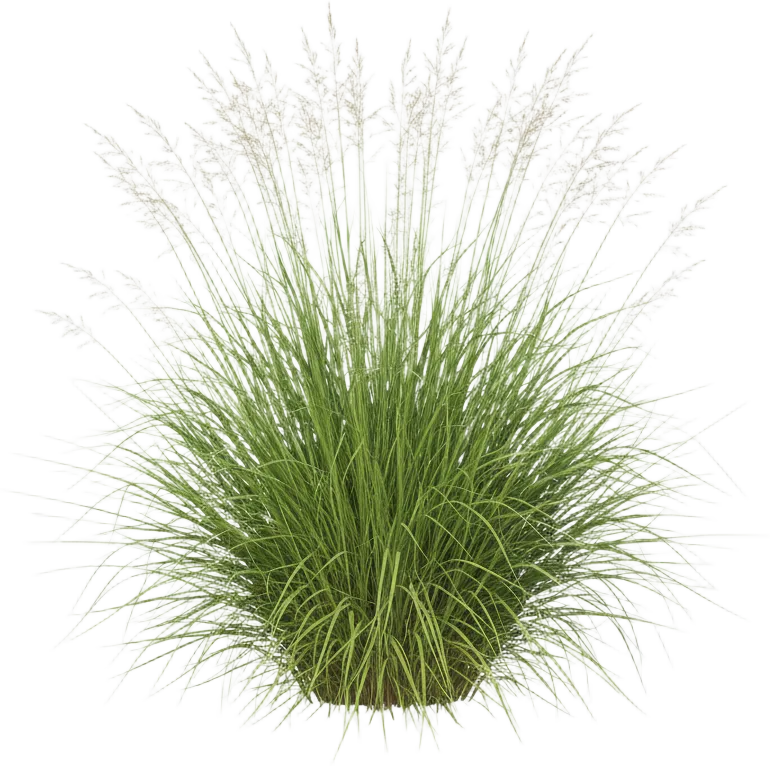

Through the year
What Prairie Dropseed looks like month by month in a typical zone 6–7 garden.
Dormant · Dec–Feb
Pale tan fountain.
Below ground · Mar–Apr
Dies back to the ground; draw nothing but keep it selectable.
In leaf · May–Jul
Fountain of very fine bright green blades.
In flower · Aug–Sep
Airy flower sprays above the fine blades.
Fall · Oct–Nov
Blades turned golden orange.
Photos


Growing Prairie Dropseed
- Grows well in
- The Northeast, the Midwest, and the Plains and Mountain West.
- Good for
- Drought tolerant, slopes, deer resistant, fall color, winter interest, and fragrant
- Leaves
- Dies back in winter
- Native to
- Central North America
Spacing
VeraScape spaces plants so their grown canopies just touch. For Prairie Dropseed, that’s about 2.5 ft apart, center to center.
Place a row in your own yard and VeraScape spaces them at their mature width, so you can see whether they’ll crowd the walk.
See Prairie Dropseed in your yard before you dig
Visualize it at its true size, alongside the rest of your design.