Lantana
Lantana camara
A heat-loving, fast-growing bloomer with bright flower clusters from midsummer to frost that butterflies and hummingbirds crowd, at home in beds, baskets and pots. It shrugs off drought, poor soil and salt with little care. It spreads aggressively, and its leaves and green berries are toxic, above all to livestock.
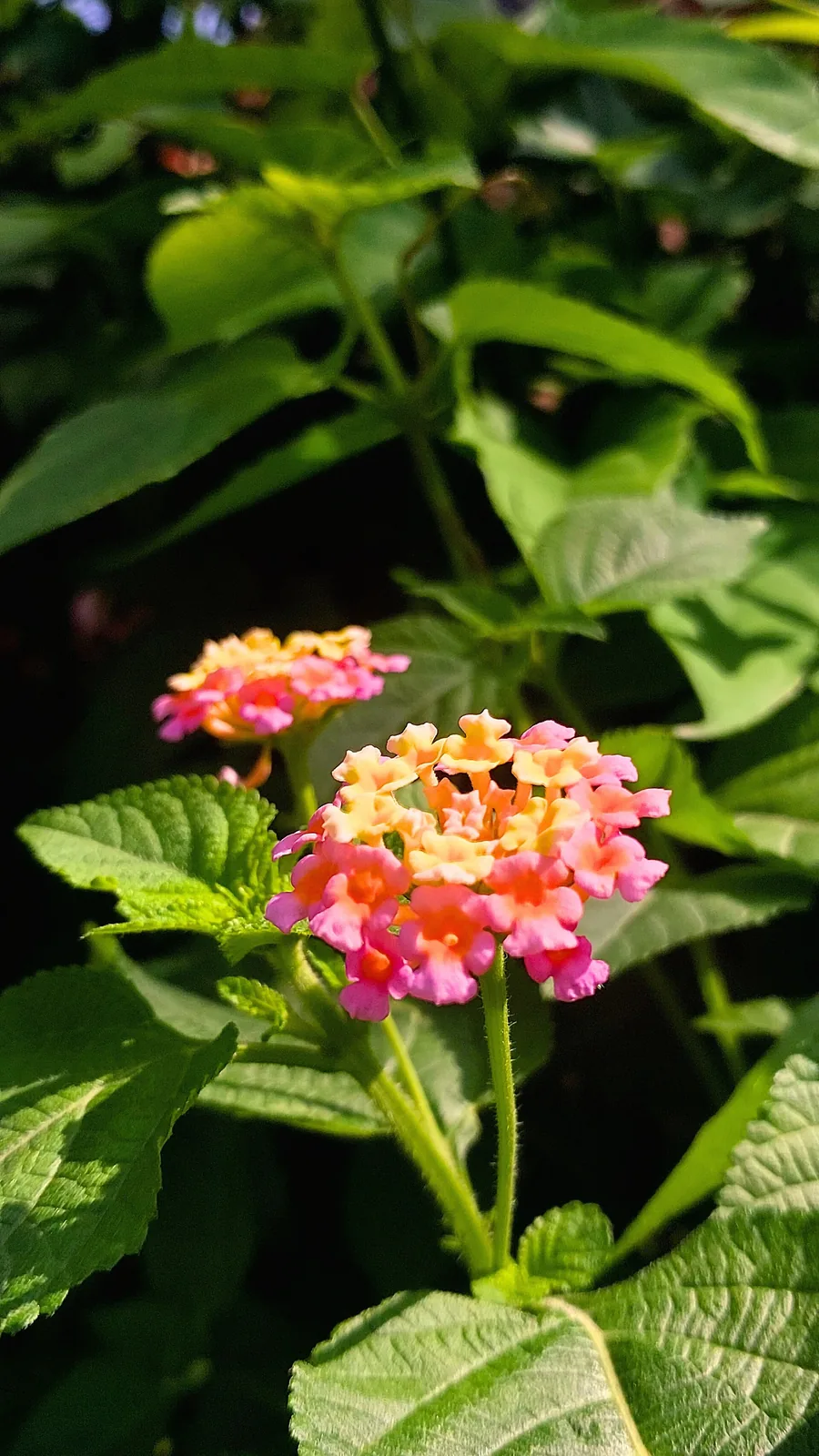
- Mature size
- 1.5 × 1.5 ft
- 0.5 × 0.5 m, tall × wide
- Hardiness
- Zones 2a–11a
- USDA
- Sun
- Full sun
- Water
- Medium
- Blooms
- May–Oct
Lantana at its mature size
A mature Lantana grows to about 1.5 ft tall and 1.5 ft wide.
Drawn to scale beside a 5 ft 9 in person. With VeraScape, you see it at this size in your own yard.
Typical mature size, unpruned. Sources: Proven Winners.
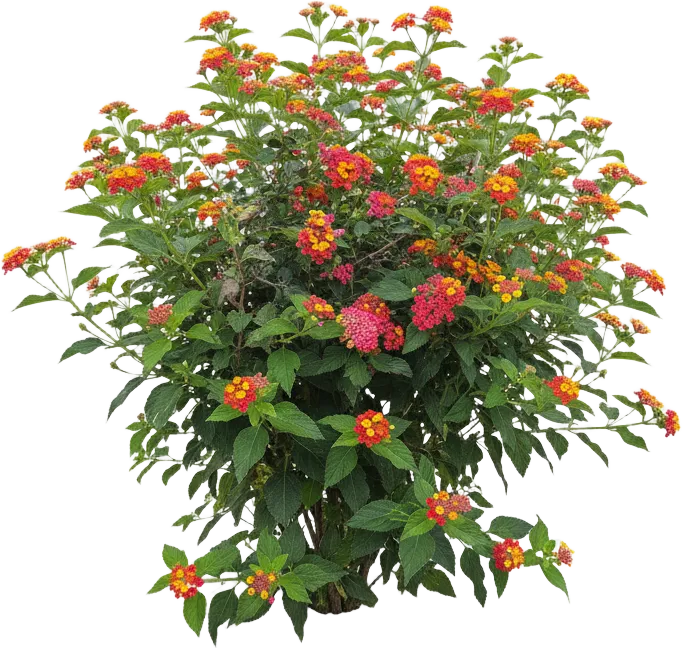

Through the year
What Lantana looks like month by month in a typical zone 6–7 garden.
Below ground · Nov–Apr
Not in the ground: planted after the last frost, pulled after the first.
In leaf · May–Oct
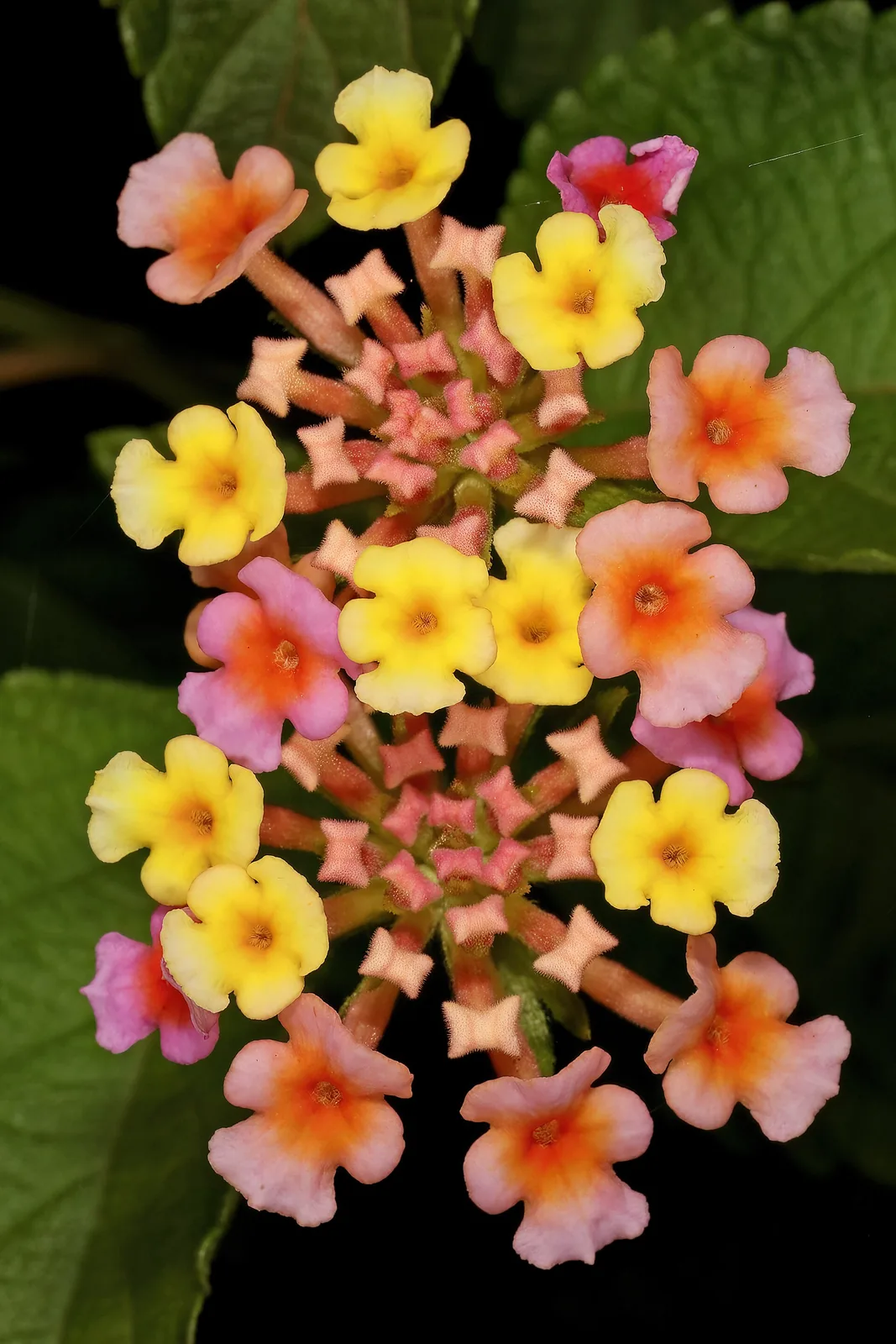
Rounded mound of dark green leaves covered in domed clusters of red, orange and yellow flowers.
Photos
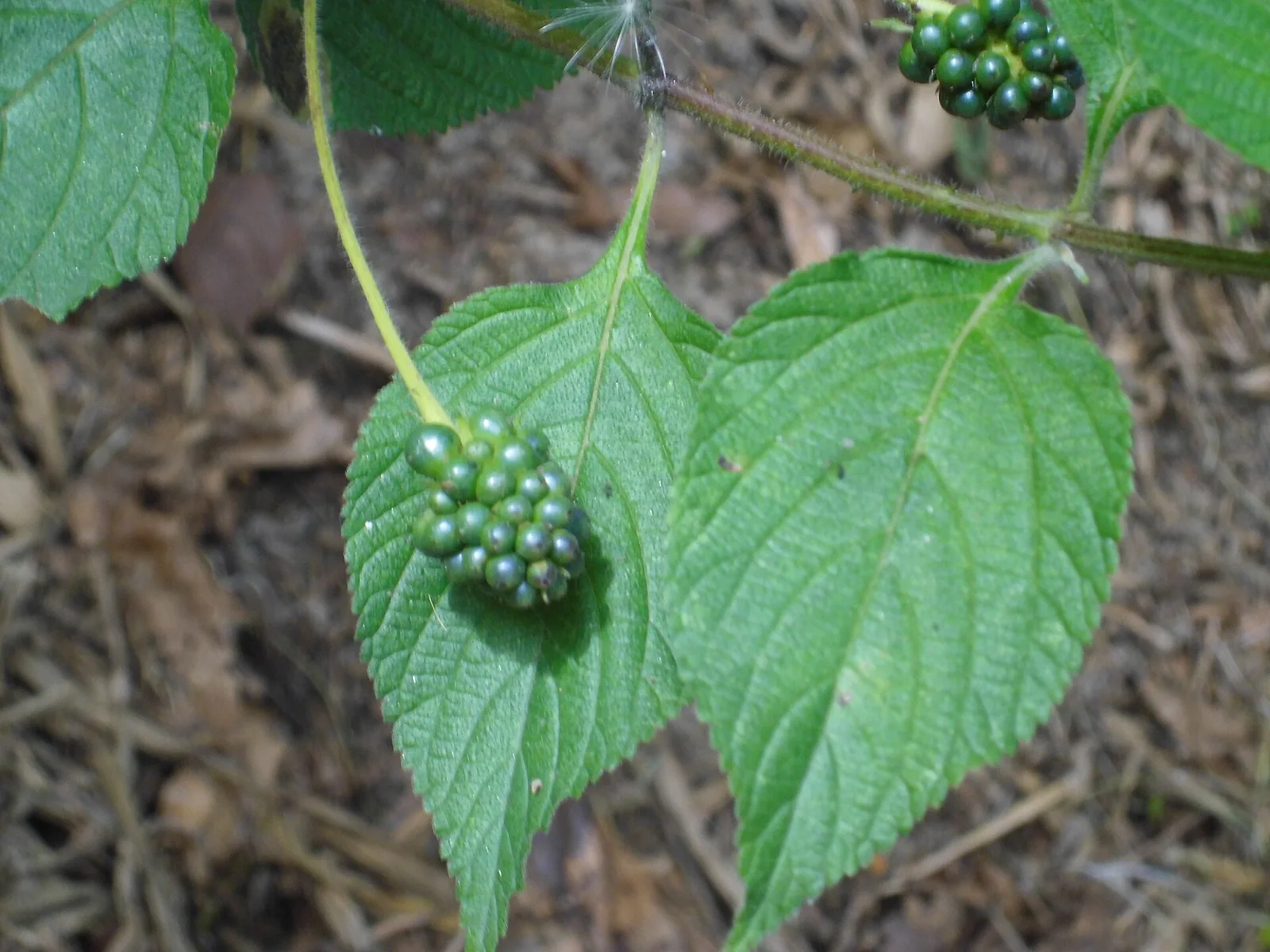

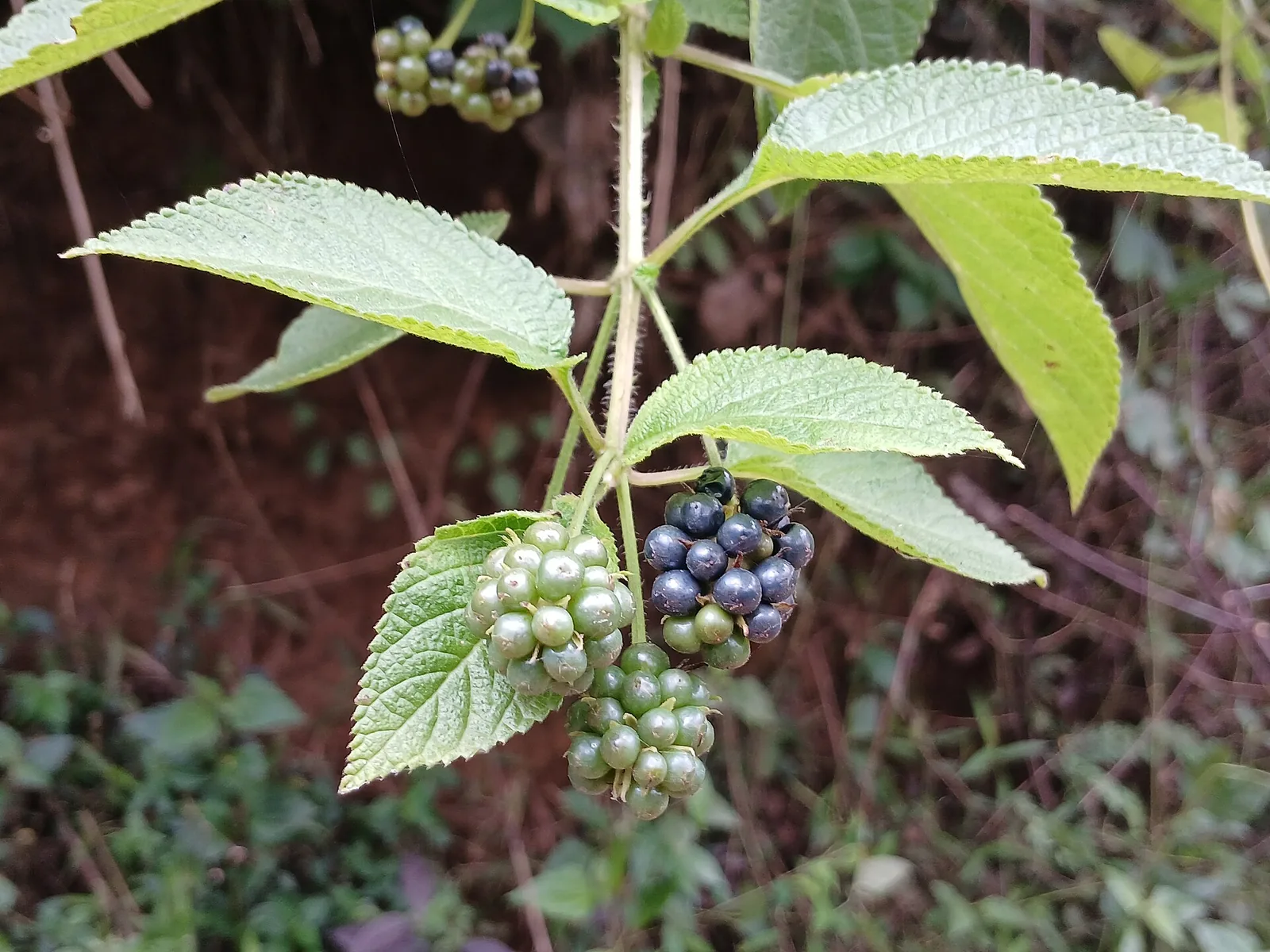


Growing Lantana
- Grows well in
- The Northeast, the Southeast, the Midwest, the Plains and Mountain West, the desert Southwest, the Pacific Northwest, and California.
- Growth rate
- Fast
- Good for
- Deer resistant, pollinators, and fast growing
- Native to
- West Indies, Mexico, and Tropical America
Spacing
VeraScape spaces plants so their grown canopies just touch. For Lantana, that’s about 1.5 ft apart, center to center.
Place a row in your own yard and VeraScape spaces them at their mature width, so you can see whether they’ll crowd the walk.
See Lantana in your yard before you dig
Visualize it at its true size, alongside the rest of your design.