Inland Sea Oats
Chasmanthium latifolium
A native grass with flat, nodding oat-like seed heads that sway in the slightest breeze, turning from green to tan to purplish. It's one of the best grasses for shade and moist ground, and deer leave it alone. It self-seeds and spreads by roots, so give it room in a naturalized area rather than a small bed.
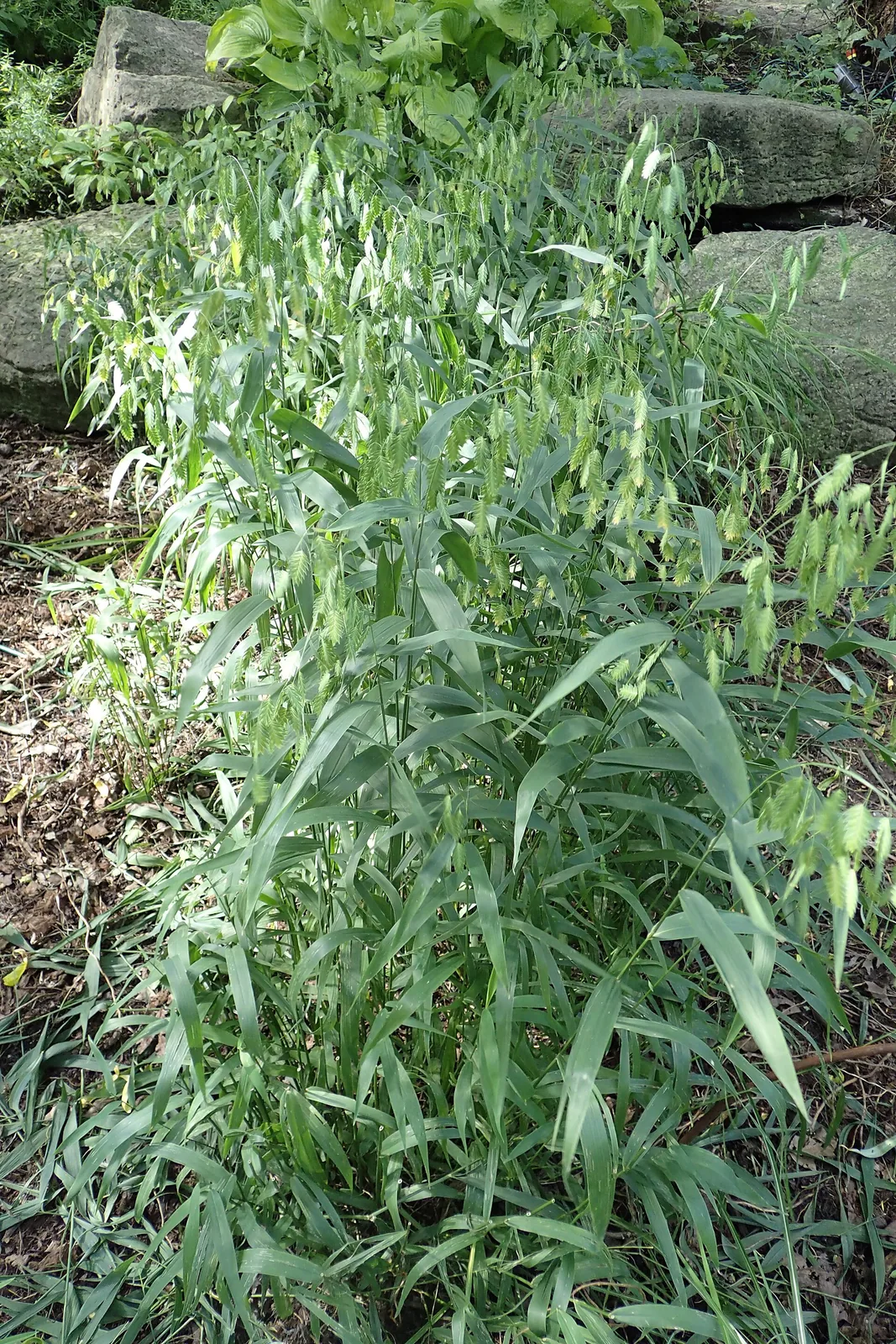
- Mature size
- 3 × 1.5 ft
- 0.9 × 0.5 m, tall × wide
- Hardiness
- Zones 5a–9b
- USDA
- Sun
- Part sun to part shade
- Water
- Moist
- Blooms
- Jul–Sep
Inland Sea Oats at its mature size
A mature Inland Sea Oats grows 2 to 5 feet tall and 1 to 2.5 feet wide.
Drawn to scale beside a 5 ft 9 in person. With VeraScape, you see it at this size in your own yard.
Typical mature size, unpruned. Sources: NC State Extension, Lady Bird Johnson Wildflower Center.
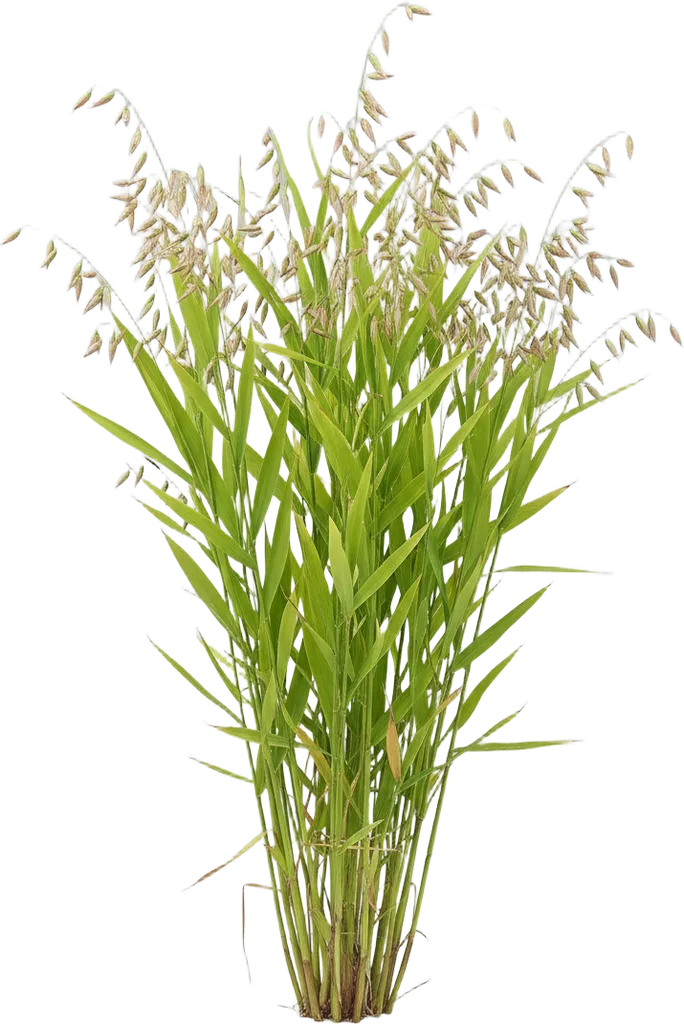

Through the year
What Inland Sea Oats looks like month by month in a typical zone 6–7 garden.
Dormant · Dec–Feb
Tan leaves and seed heads.
Below ground · Mar–Apr
Dies back to the ground; draw nothing but keep it selectable.
In leaf · May–Jun
Clump of bamboo-like light green leaves.
Fruit · Jul–Sep
Bamboo-like leaves with drooping flat oat-like seed heads.
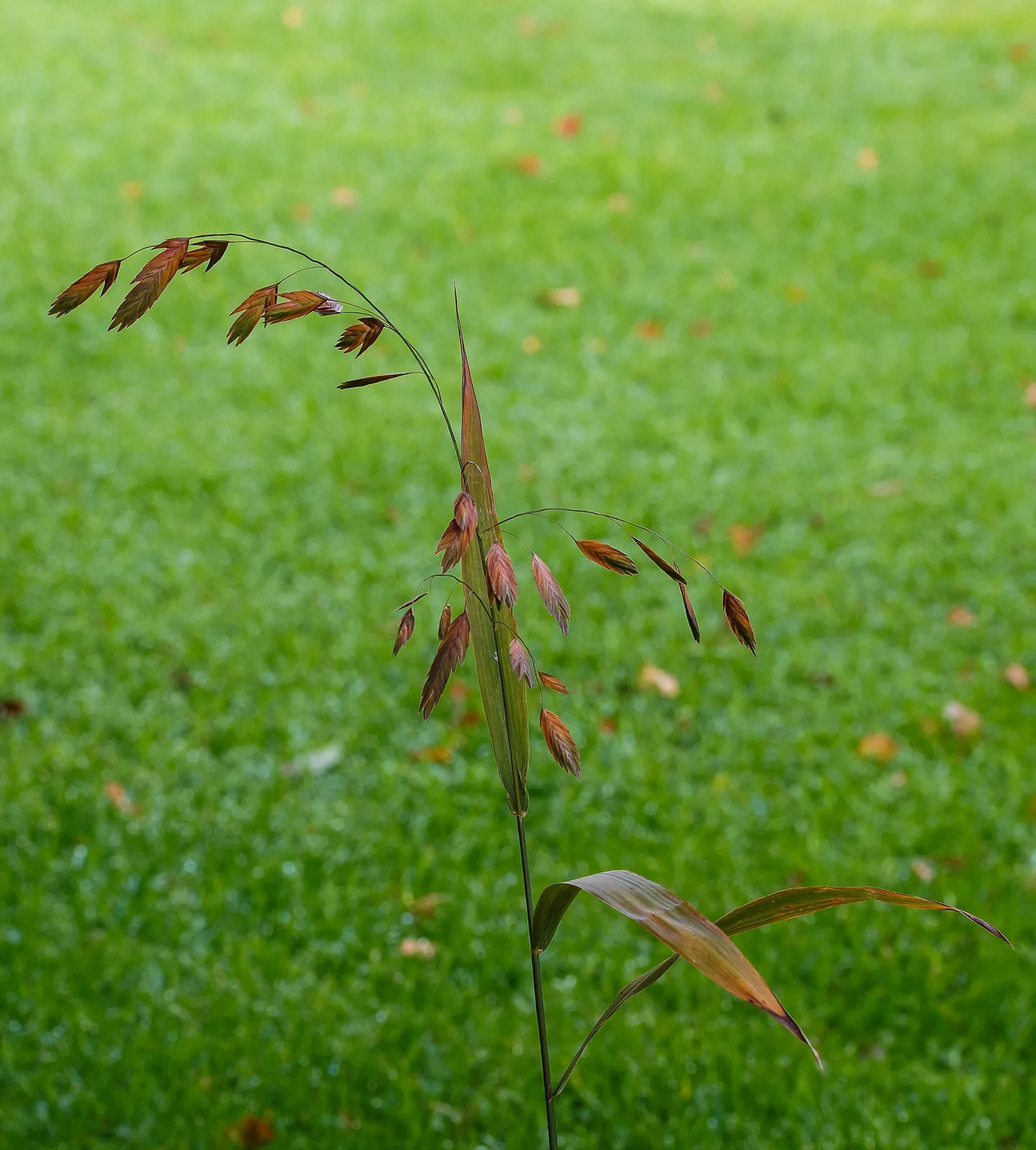
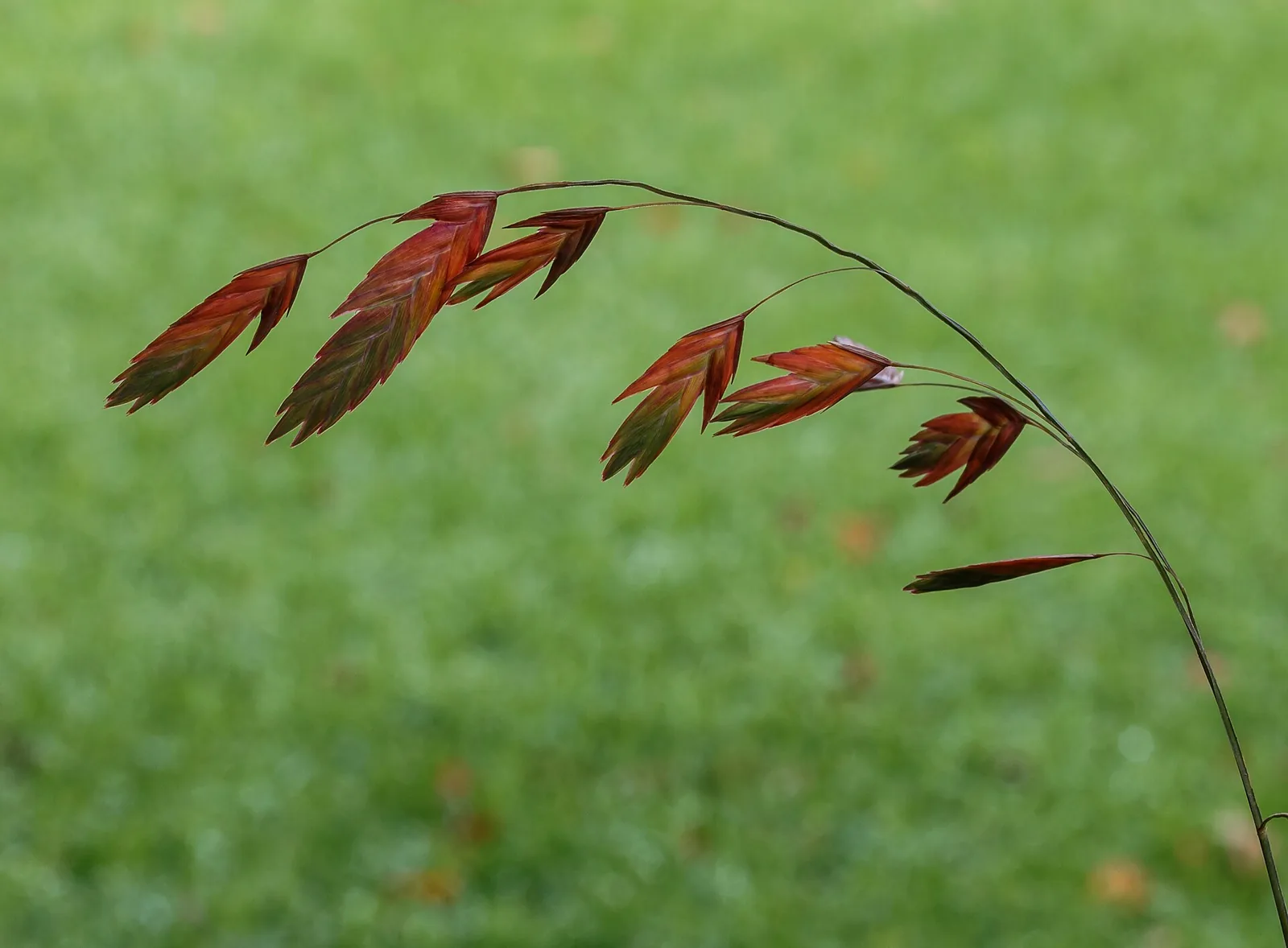
Fall · Oct–Nov
Leaves and seed heads turned copper.
Photos


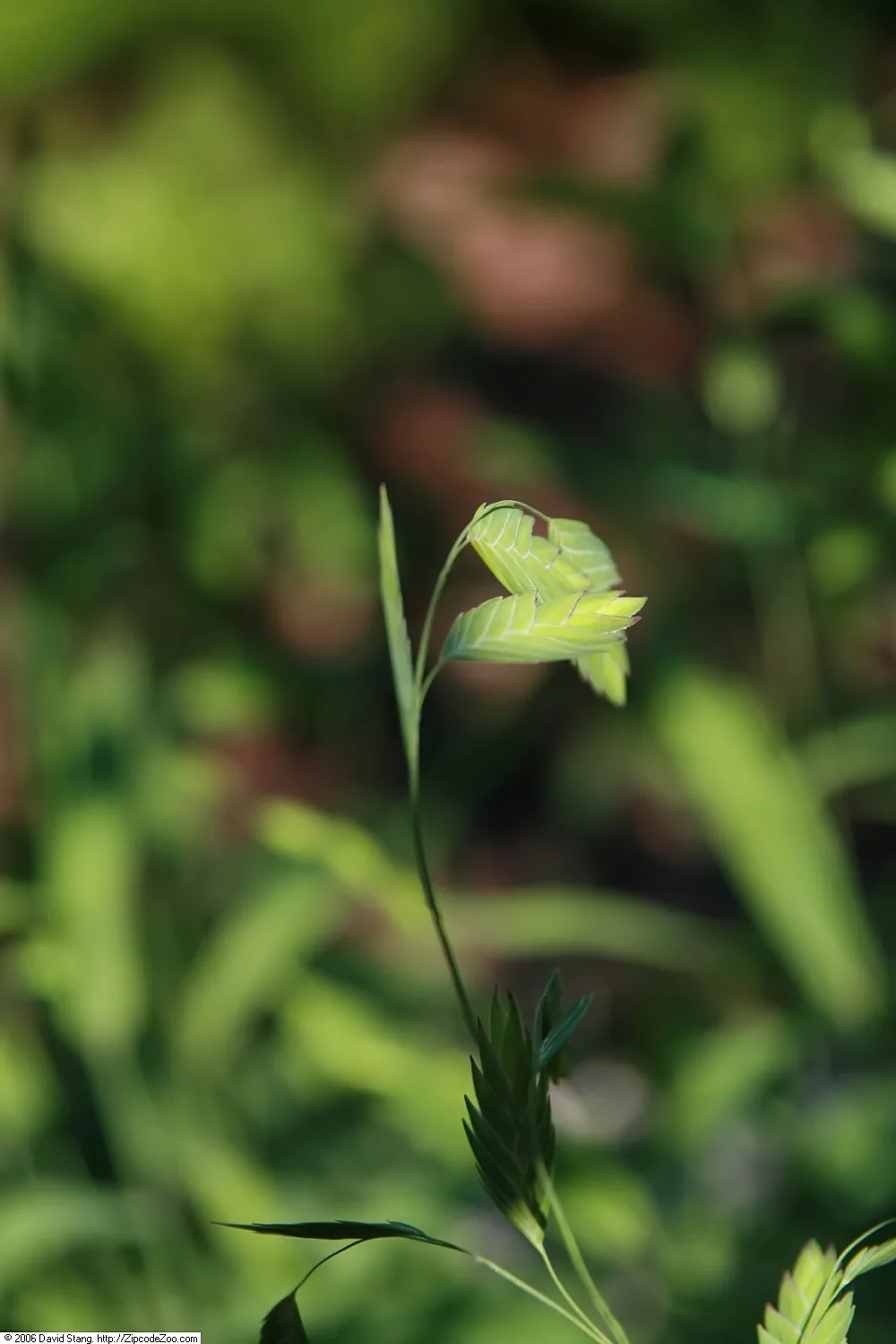

Growing Inland Sea Oats
- Grows well in
- The Northeast, the Southeast, the Midwest, and the Plains and Mountain West.
- Good for
- Shade garden, rain garden, and deer resistant
- Leaves
- Dies back in winter
- Native to
- Central and Eastern United States
Spacing
VeraScape spaces plants so their grown canopies just touch. For Inland Sea Oats, that’s about 1.5 ft apart, center to center.
Place a row in your own yard and VeraScape spaces them at their mature width, so you can see whether they’ll crowd the walk.
See Inland Sea Oats in your yard before you dig
Visualize it at its true size, alongside the rest of your design.