Hackberry
Celtis occidentalis
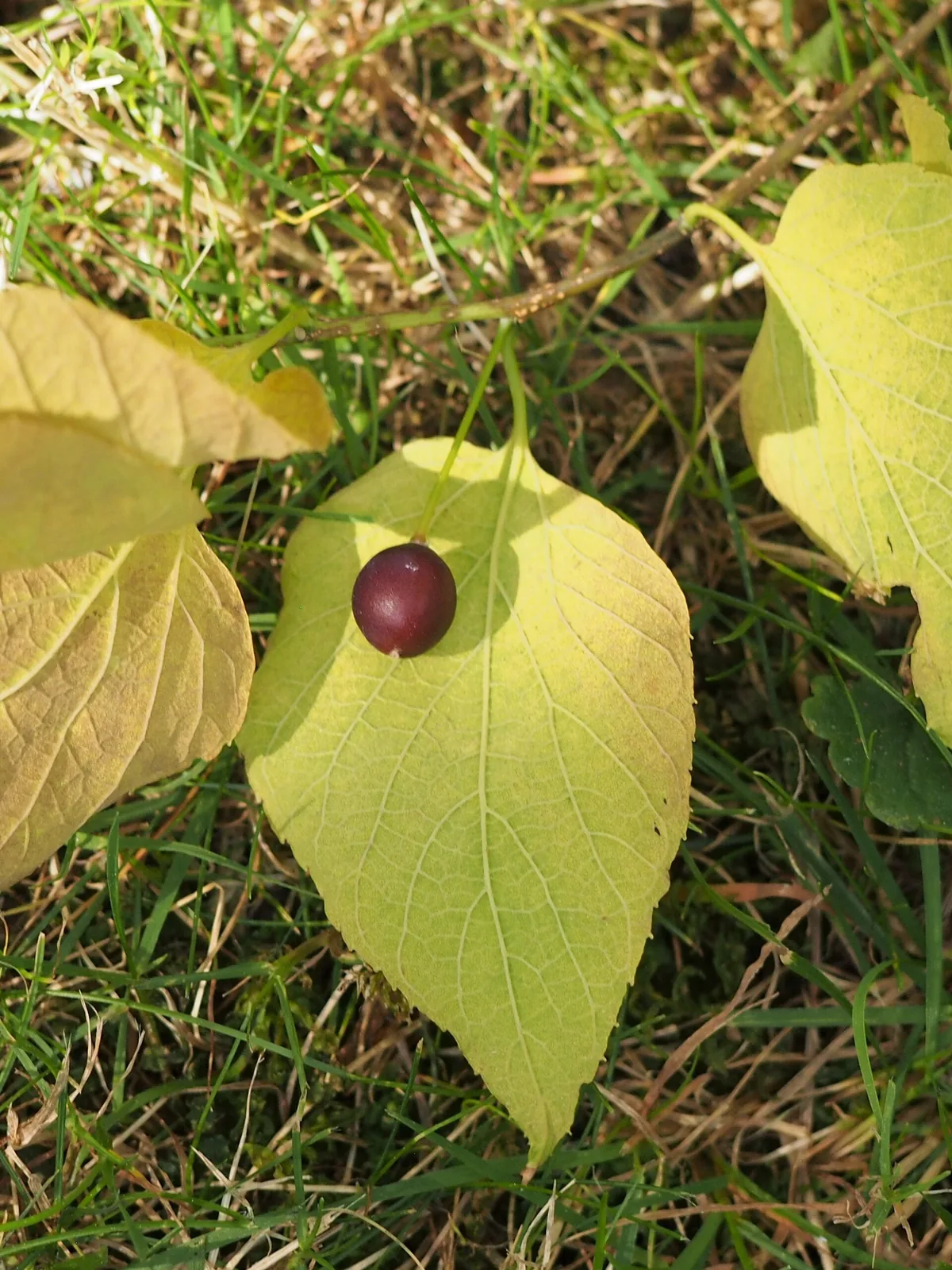
A tough, fast-growing native shade tree that takes wind, city conditions, drought and wet or poor soil, with purple berries that feed birds into winter. It suits parkways, parks and big lawns. Its leaves often carry harmless galls, the wood is weak, and the fruit is messy over paving, so plant it away from patios.
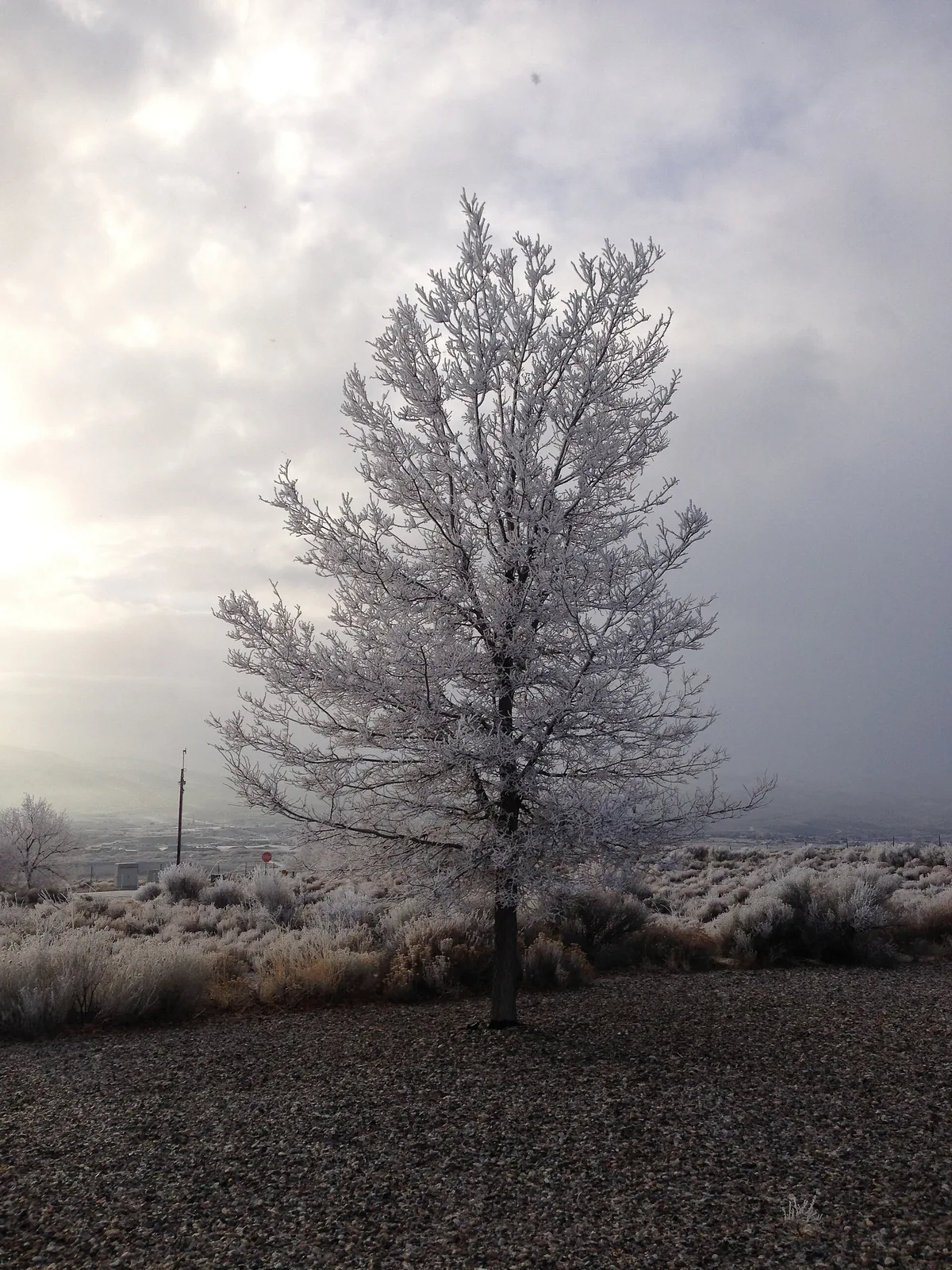
- Mature size
- 50 × 45 ft
- 15 × 13.5 m, tall × wide
- Hardiness
- Zones 3a–9b
- USDA
- Sun
- Full sun to part sun
- Water
- Dry to moist
Hackberry at its mature size
A mature Hackberry grows 40 to 60 feet tall and 40 to 50 feet wide, taller than most people.
Drawn to scale beside a 5 ft 9 in person. With VeraScape, you see it at this size in your own yard.
Typical mature size, unpruned. Sources: Missouri Botanical Garden, The Morton Arboretum.
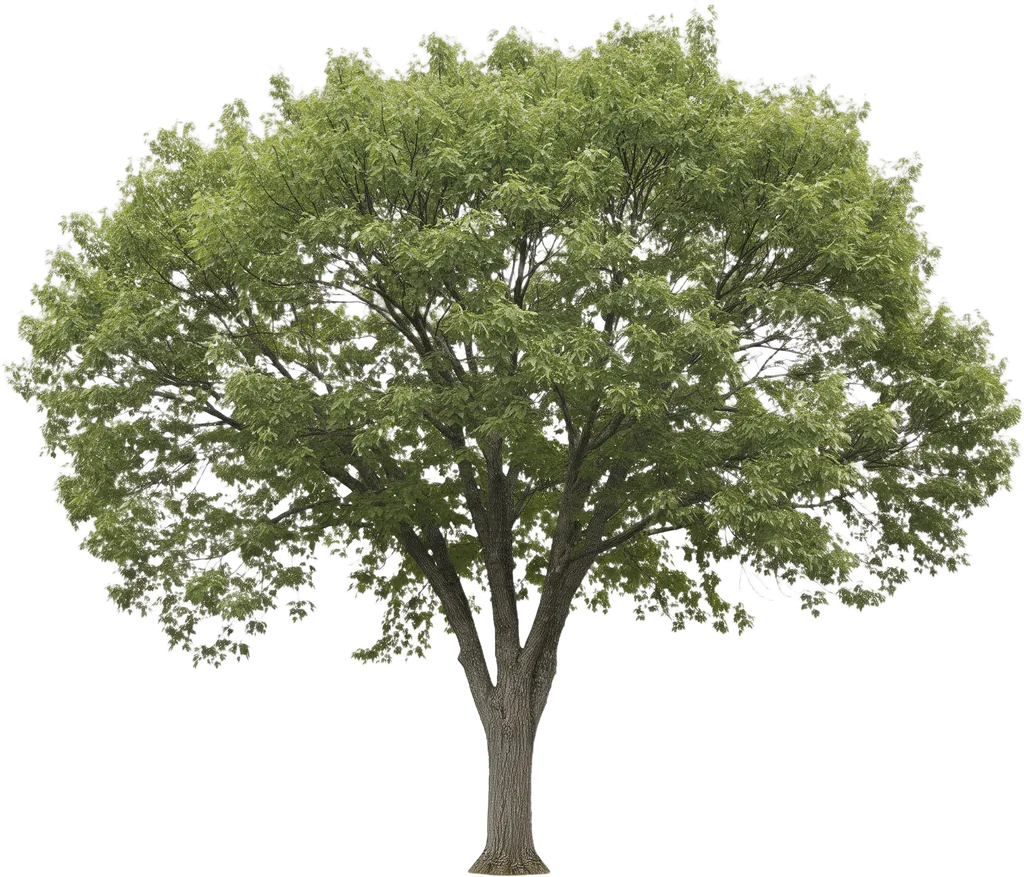

Through the year
What Hackberry looks like month by month in a typical zone 6–7 garden.
Dormant · Dec–Mar
Bare: spreading branches, gray corky warted bark.
In leaf · Apr–Sep
Medium green elm-like leaves, broad crown.
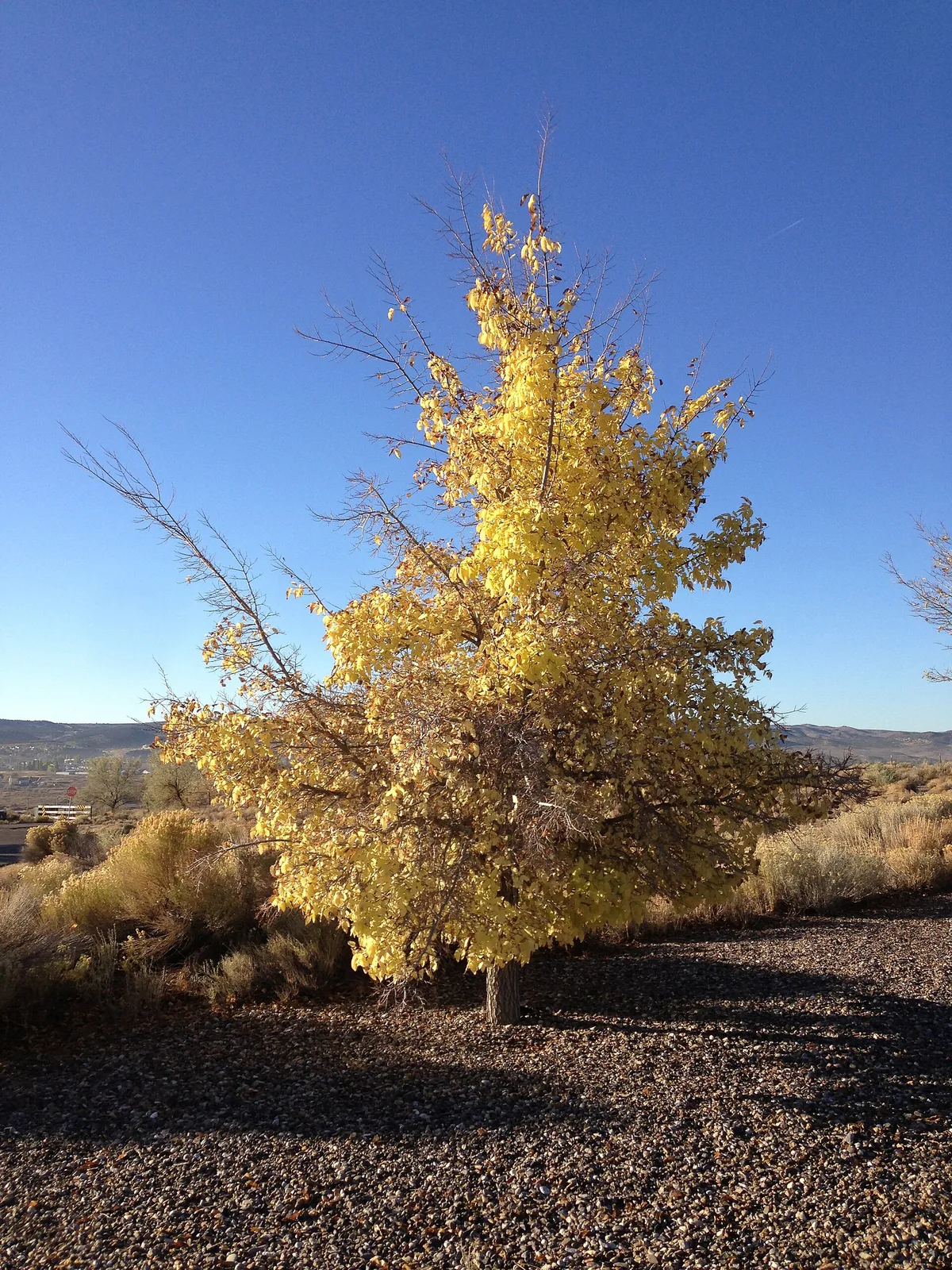
Fall · Oct–Nov
Dull pale yellow, muted and patchy, quick to drop.
Photos
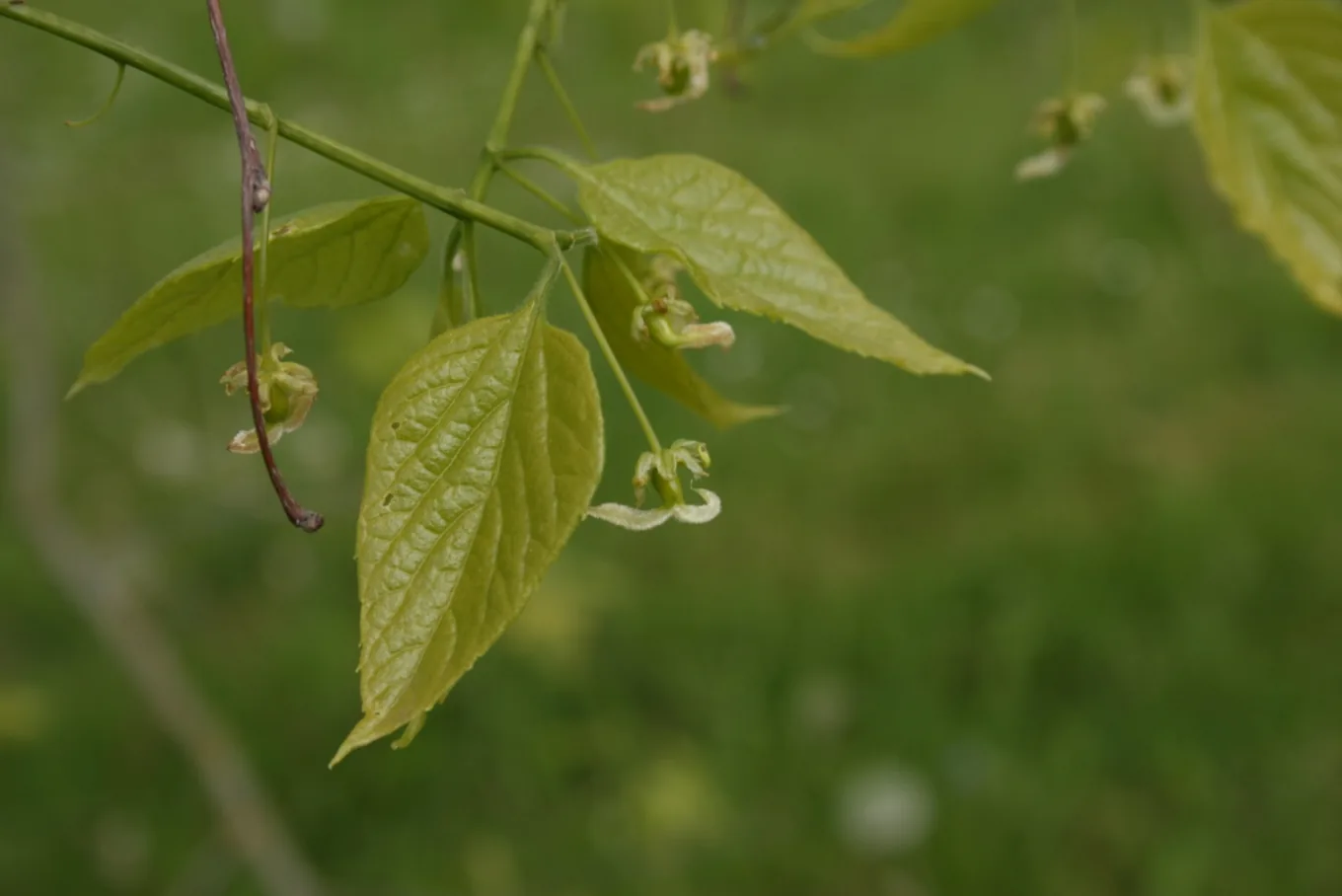



Growing Hackberry
- Grows well in
- The Northeast, the Midwest, and the Plains and Mountain West.
- Growth rate
- Fast
- Good for
- Drought tolerant, rain garden, and fast growing
- Leaves
- Drops its leaves in winter
- Native to
- Eastern North America and Central North America
Spacing
VeraScape spaces plants so their grown canopies just touch. For Hackberry, that’s about 45 ft apart, center to center.
Place a row in your own yard and VeraScape spaces them at their mature width, so you can see whether they’ll crowd the walk.
See Hackberry in your yard before you dig
Visualize it at its true size, alongside the rest of your design.