Gem Box Inkberry
Ilex glabra ‘SMNIGAB17’ · a dwarf rounded inkberry holly
A native inkberry bred to replace small boxwood: a dense, small-leaved ball that holds its lower branches better than older inkberries, with new growth tipped red-brown. It takes wet spots and wants acid soil, and needs only light shaping in late winter.
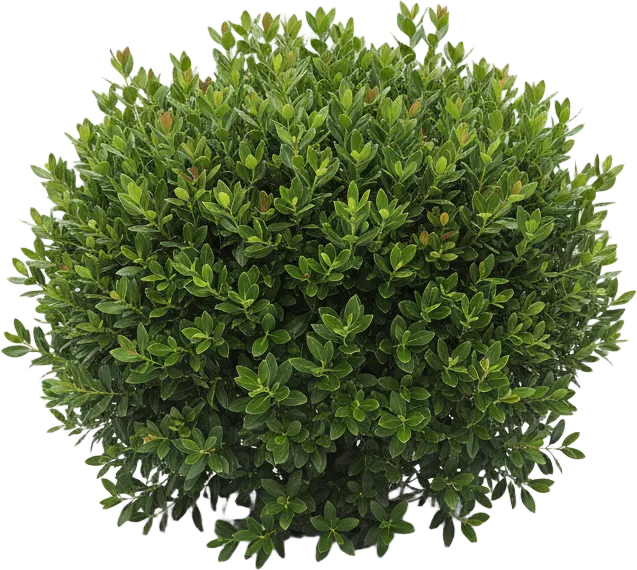
- Mature size
- 2.5 × 2.5 ft
- 0.8 × 0.8 m, tall × wide
- Hardiness
- Zones 5a–9b
- USDA
- Sun
- Full sun to part shade
- Water
- Moist to wet
- Blooms
- May–Jun
Gem Box Inkberry at its mature size
A mature Gem Box Inkberry grows 2 to 3 feet tall and just as wide.
Drawn to scale beside a 5 ft 9 in person. With VeraScape, you see it at this size in your own yard.
Typical mature size, unpruned. Sources: Proven Winners, Cornell Woody Plants, landscapeplants.oregonstate.edu, havlis.cz.
Through the year
What Gem Box Inkberry looks like month by month in a typical zone 6–7 garden.
In leaf · Year-round
Small dark green leaves, densely set, evergreen.
Growing Gem Box Inkberry
- Grows well in
- The Northeast, the Southeast, and the Midwest.
- Growth rate
- Slow
- Good for
- Small space, foundation planting, rain garden, and pollinators
- Leaves
- Evergreen
- Native to
- Eastern North America
Spacing
VeraScape spaces plants so their grown canopies just touch. For Gem Box Inkberry, that’s about 2.5 ft apart, center to center.
Place a row in your own yard and VeraScape spaces them at their mature width, so you can see whether they’ll crowd the walk.
See Gem Box Inkberry in your yard before you dig
Visualize it at its true size, alongside the rest of your design.
Other hollies
Gem Box Inkberry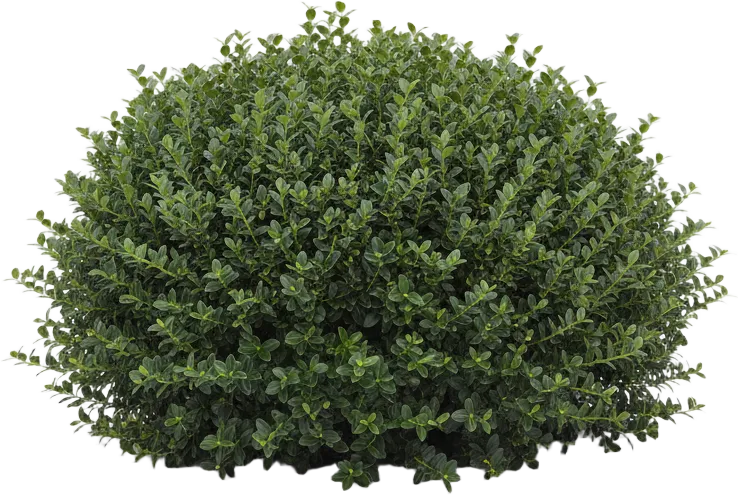 Soft Touch Japanese Holly
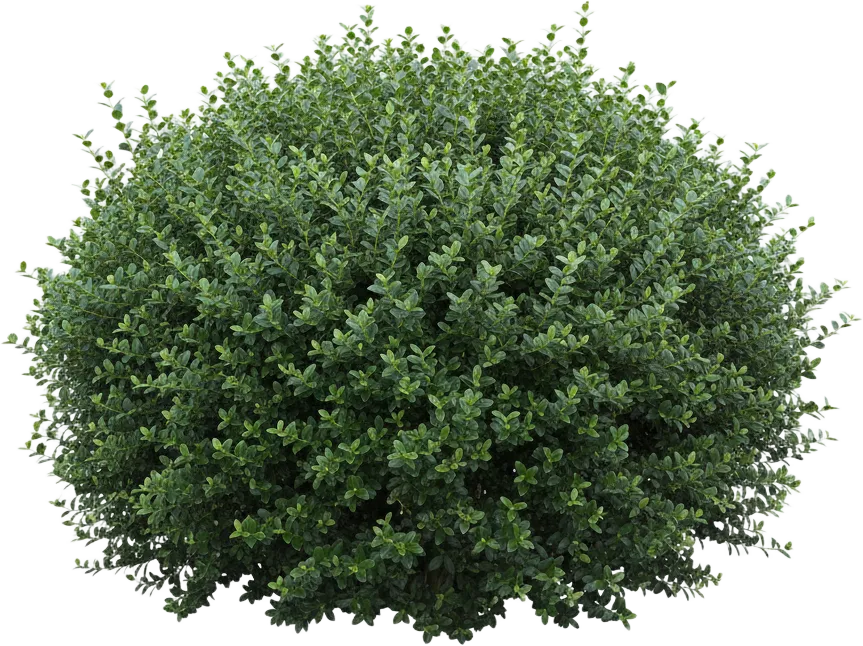 Helleri Japanese Holly
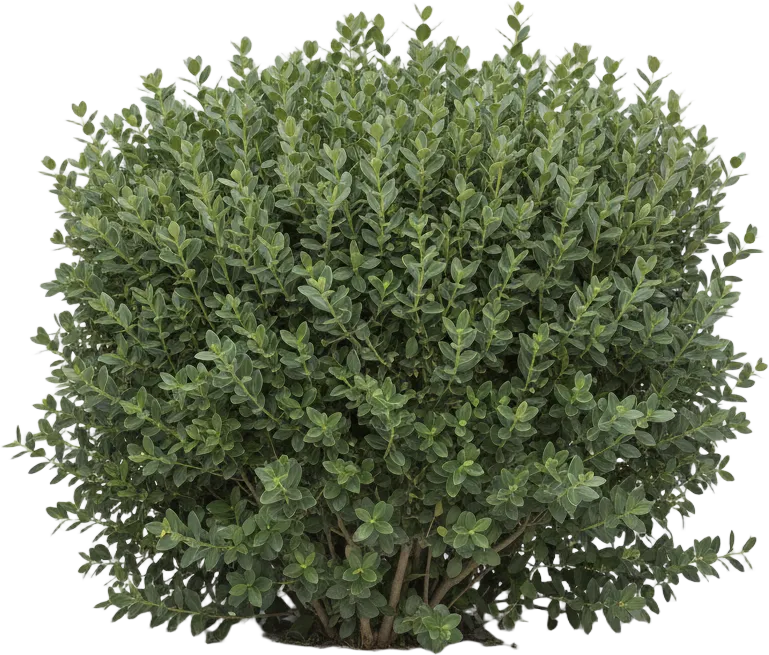 Dwarf Yaupon Holly
All drawn to the same scale.