Fringetree
Chionanthus virginicus
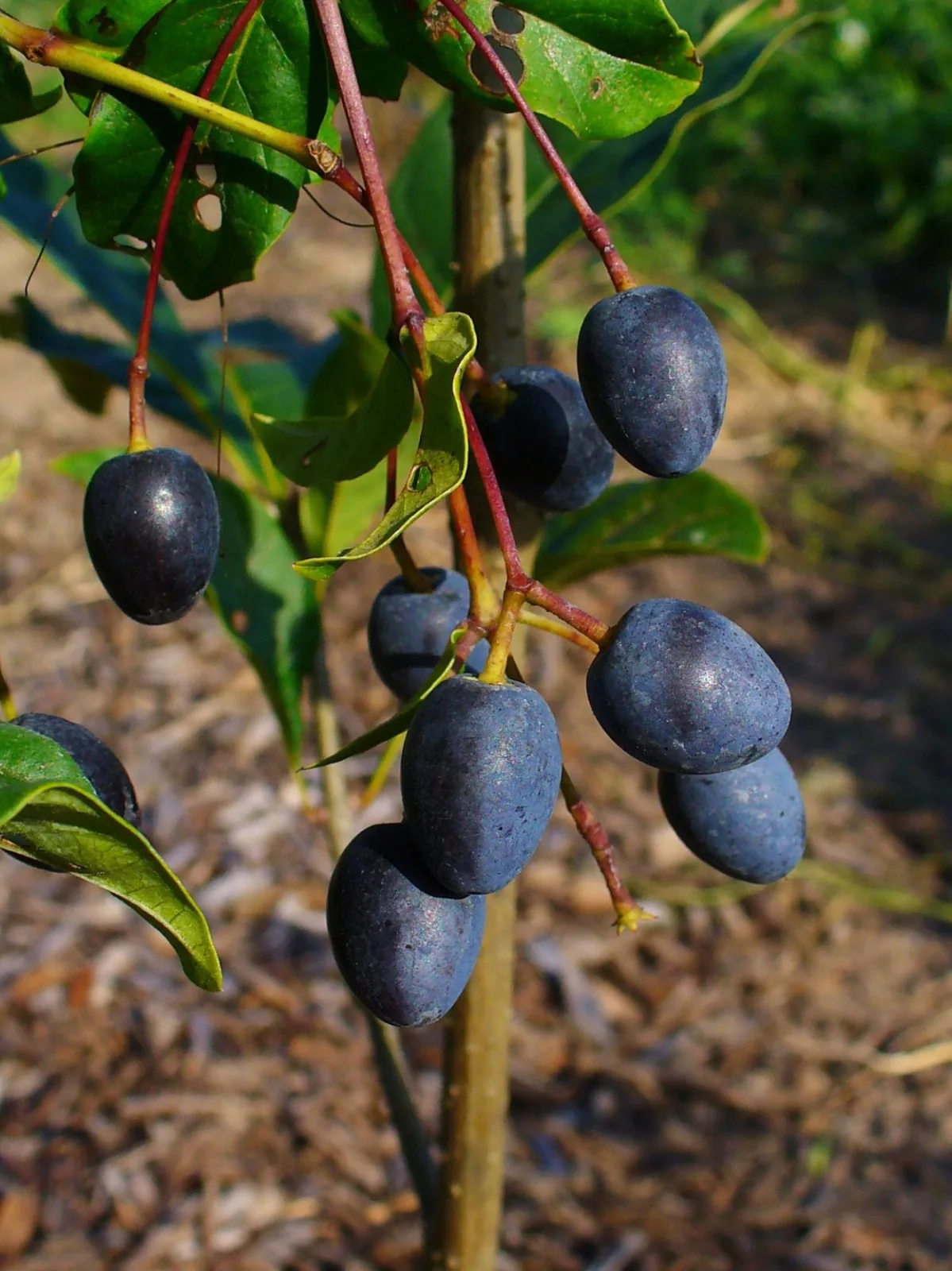
A native small tree draped in fragrant, fringe-like white flowers in late spring, spectacular in full bloom, then blue-black fruit for birds and clear yellow fall colour. It adapts to clay and city conditions. Water it through long dry spells, which stress it and invite borers.
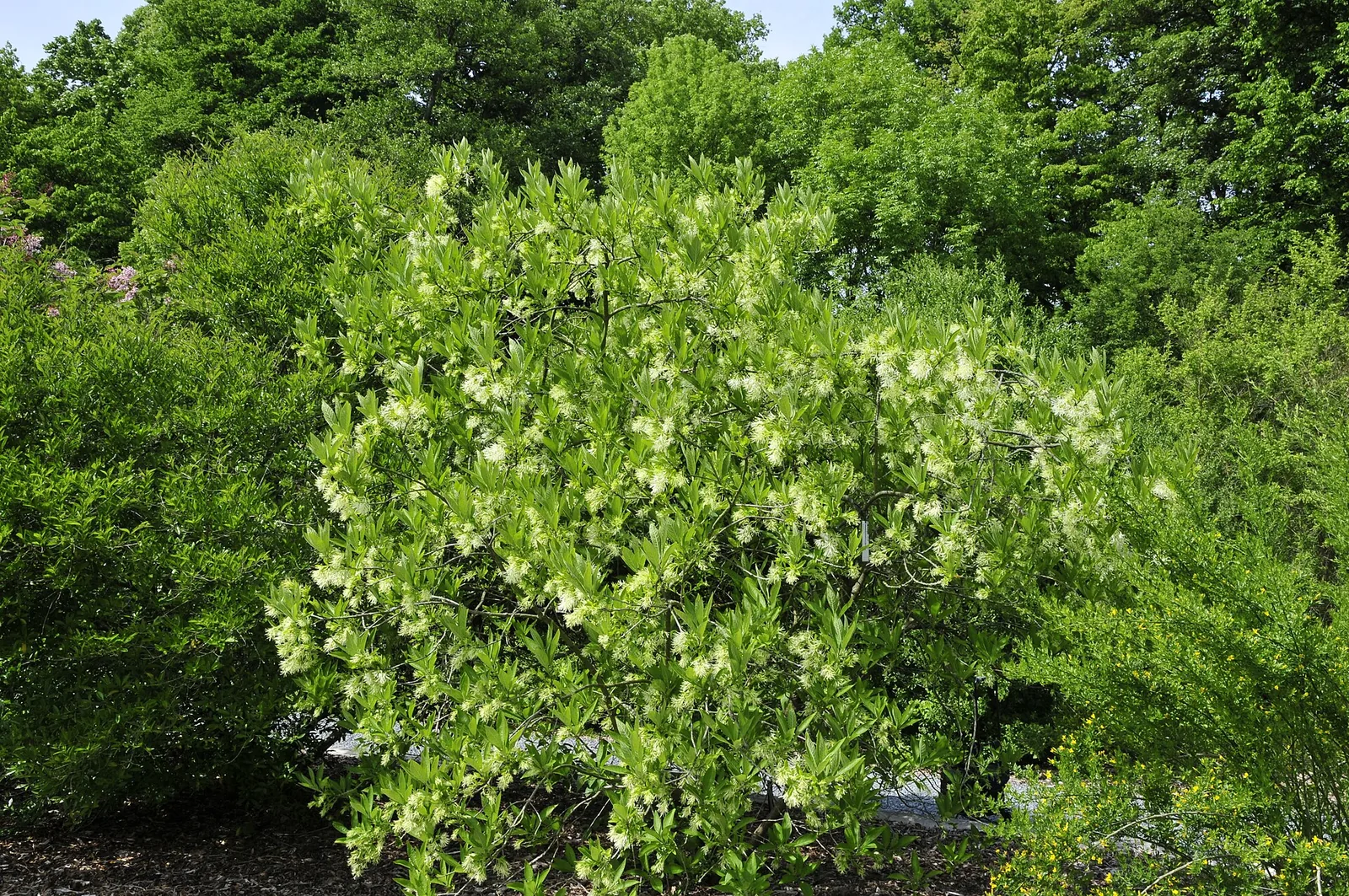
- Mature size
- 16 × 16 ft
- 5 × 5 m, tall × wide
- Hardiness
- Zones 3a–9b
- USDA
- Sun
- Full sun to part shade
- Water
- Dry to wet
- Blooms
- May–Jun
Fringetree at its mature size
A mature Fringetree grows 12 to 20 feet tall and just as wide, taller than most people.
Drawn to scale beside a 5 ft 9 in person. With VeraScape, you see it at this size in your own yard.
Typical mature size, unpruned. Sources: Missouri Botanical Garden.
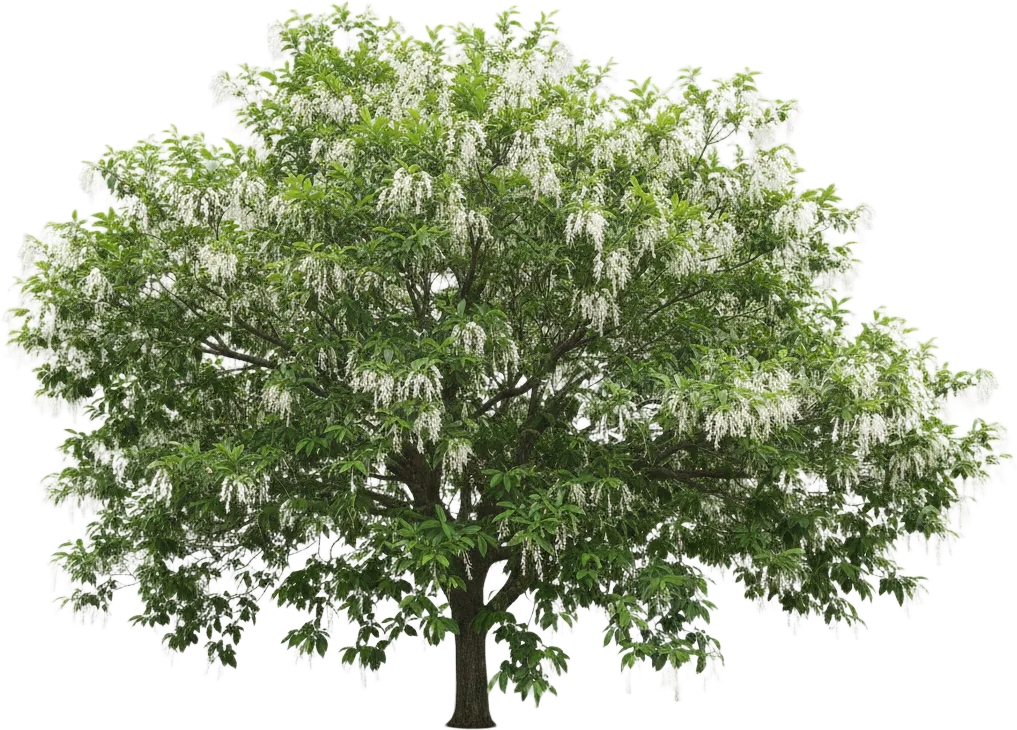

Through the year
What Fringetree looks like month by month in a typical zone 6–7 garden.
Dormant · Dec–Apr
Bare: stout spreading branches, scaly brown bark; leafs out late.
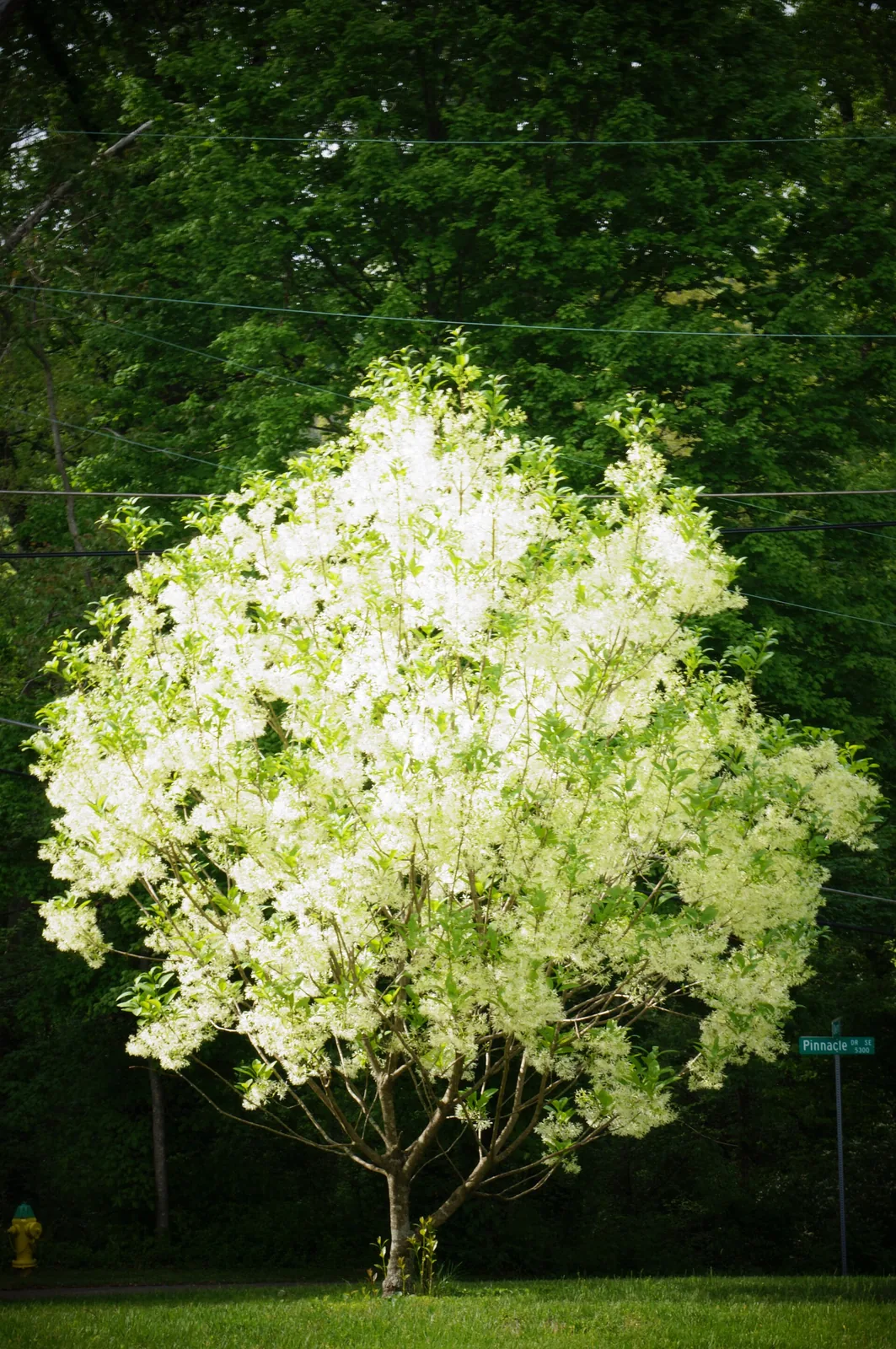
In flower · May
Drooping clusters of fleecy, fringe-like white flowers covering the branches.
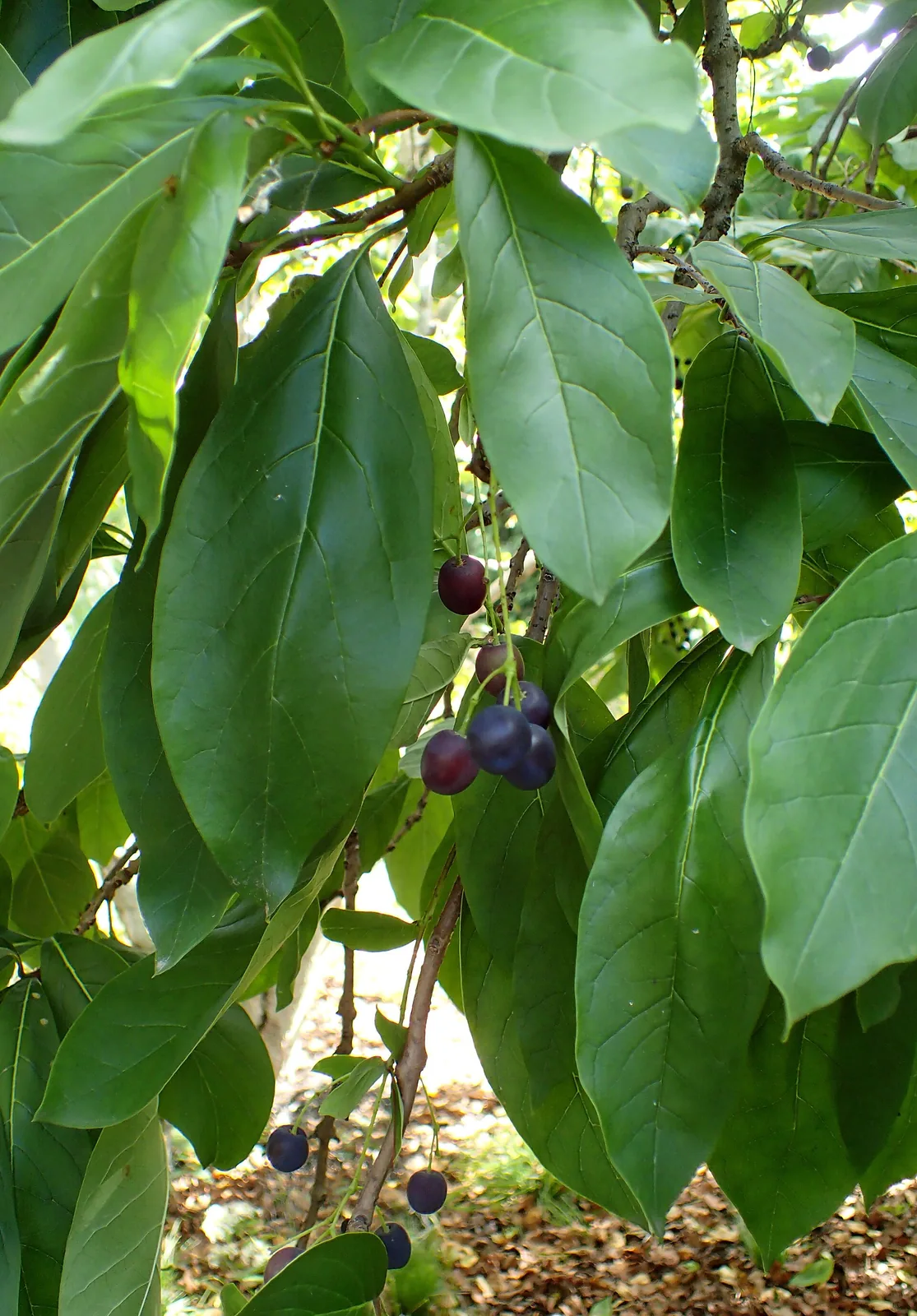
In leaf · Jun–Sep
Large glossy medium green oval leaves, no flowers.
Fall · Oct–Nov
Muted yellow to yellow-green, fairly dull and patchy.
Photos



Growing Fringetree
- Grows well in
- The Northeast, the Southeast, and the Midwest.
- Growth rate
- Slow
- Good for
- Small space, specimen, drought tolerant, rain garden, pollinators, and fragrant
- Leaves
- Drops its leaves in winter
- Native to
- Eastern United States
Spacing
VeraScape spaces plants so their grown canopies just touch. For Fringetree, that’s about 16 ft apart, center to center.
Place a row in your own yard and VeraScape spaces them at their mature width, so you can see whether they’ll crowd the walk.
See Fringetree in your yard before you dig
Visualize it at its true size, alongside the rest of your design.