Burning Bush
Euonymus alatus
Planted for brilliant red fall colour on a dense, rounded shrub. It's invasive across much of the East and Midwest, where birds carry its seed into woods, and several states, Massachusetts and Pennsylvania among them, ban its sale. Native arrowwood viburnum or black chokeberry give similar fall colour.
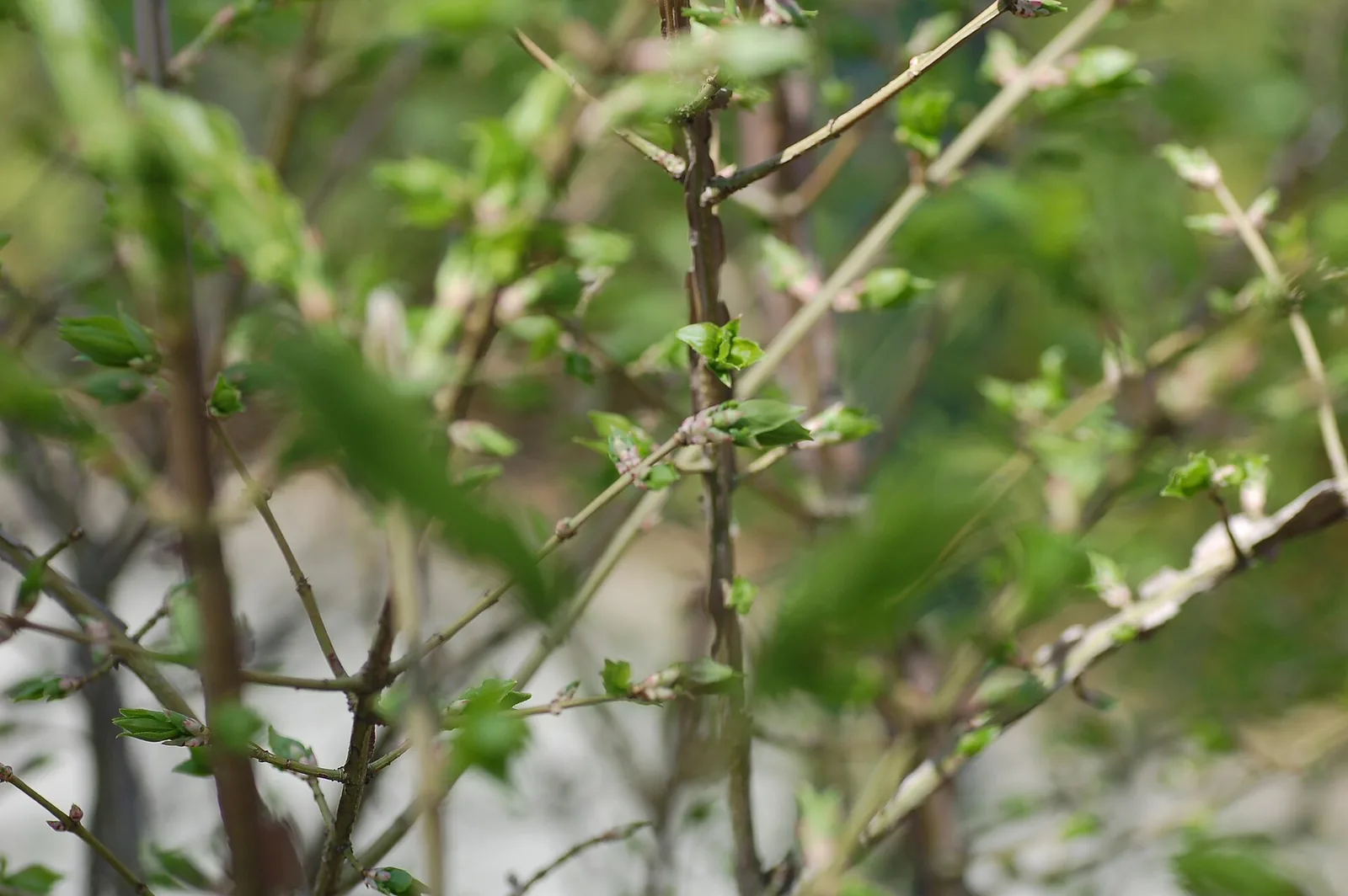
- Mature size
- 9.5 × 11 ft
- 2.9 × 3.5 m, tall × wide
- Hardiness
- Zones 4a–8a
- USDA
- Sun
- Full sun to part shade
- Water
- Dry to moist
- Fall color
- Oct–Nov
Burning Bush at its mature size
A mature Burning Bush grows 8 to 11 feet tall and 8 to 14 feet wide, taller than most people.
Drawn to scale beside a 5 ft 9 in person. With VeraScape, you see it at this size in your own yard.
Typical mature size, unpruned. Sources: NC State Extension.

Through the year
What Burning Bush looks like month by month in a typical zone 6–7 garden.
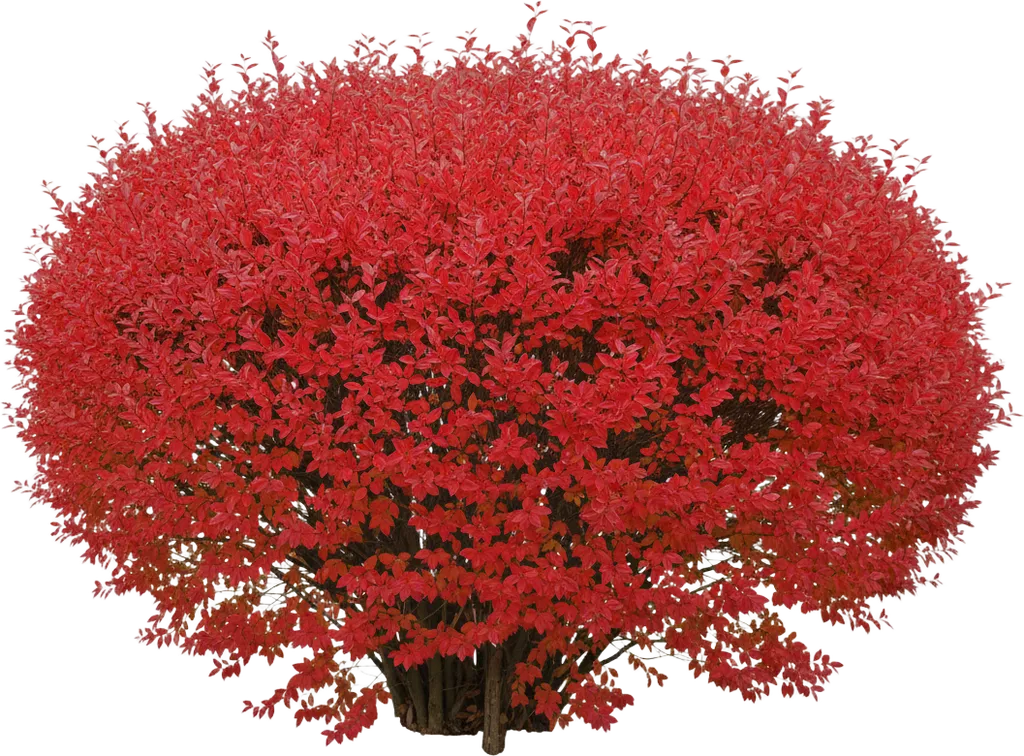
Dormant · Dec–Mar
Bare dense twiggy branches with thin corky wings.
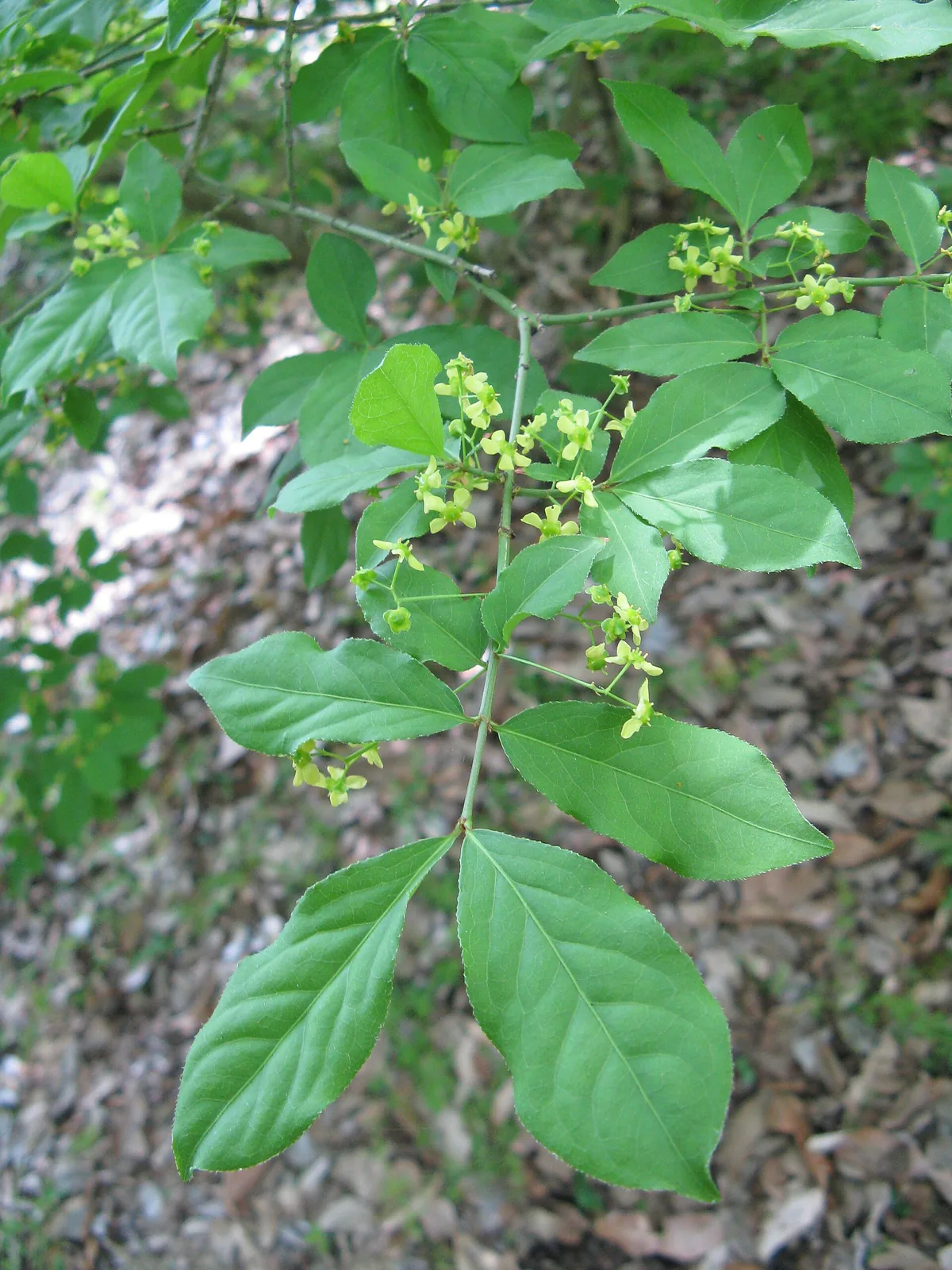
In leaf · Apr–Sep
Dense medium to dark green small elliptic leaves.
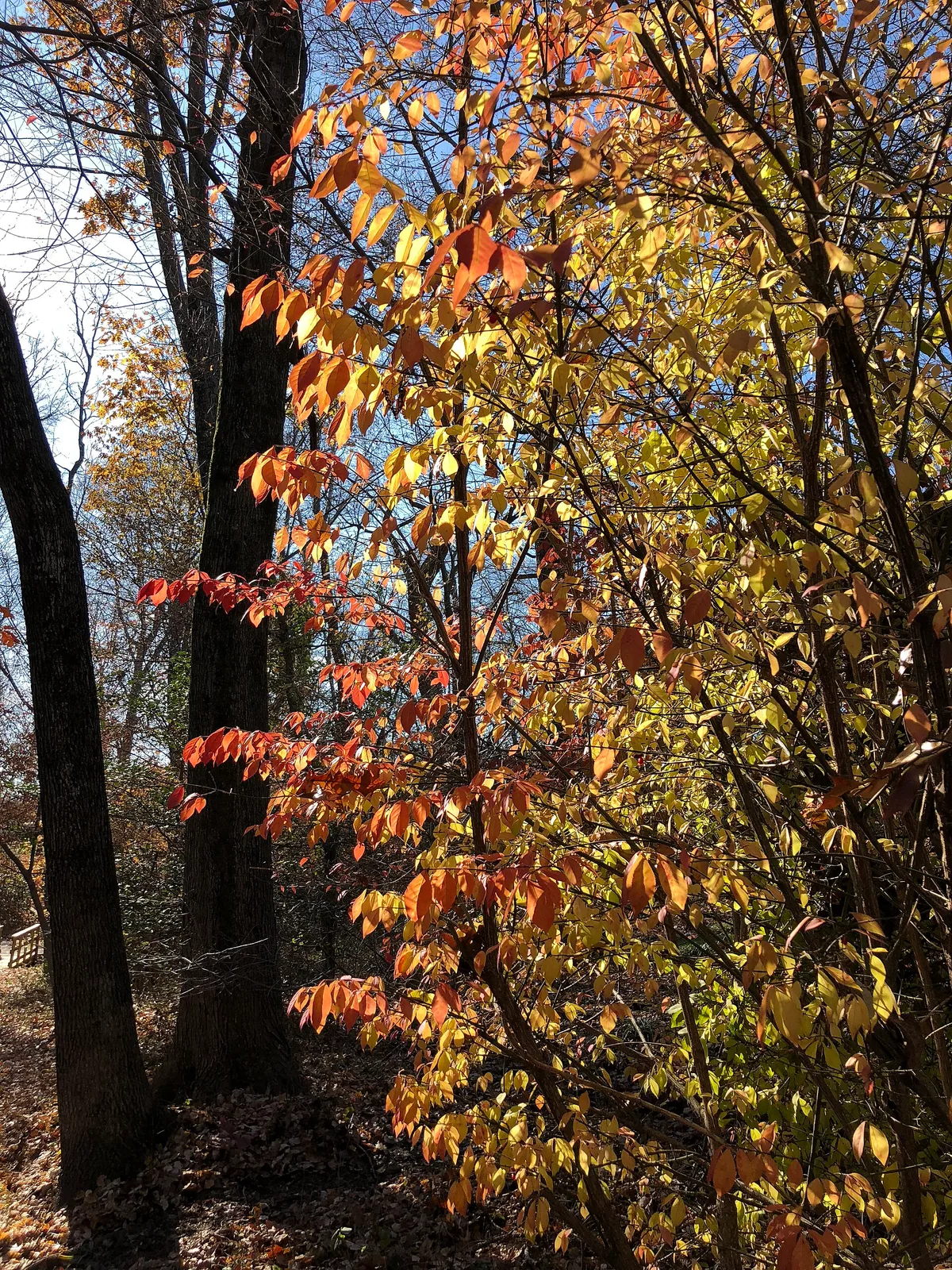
Fall · Oct–Nov
Brilliant uniform fiery scarlet-red.
Photos


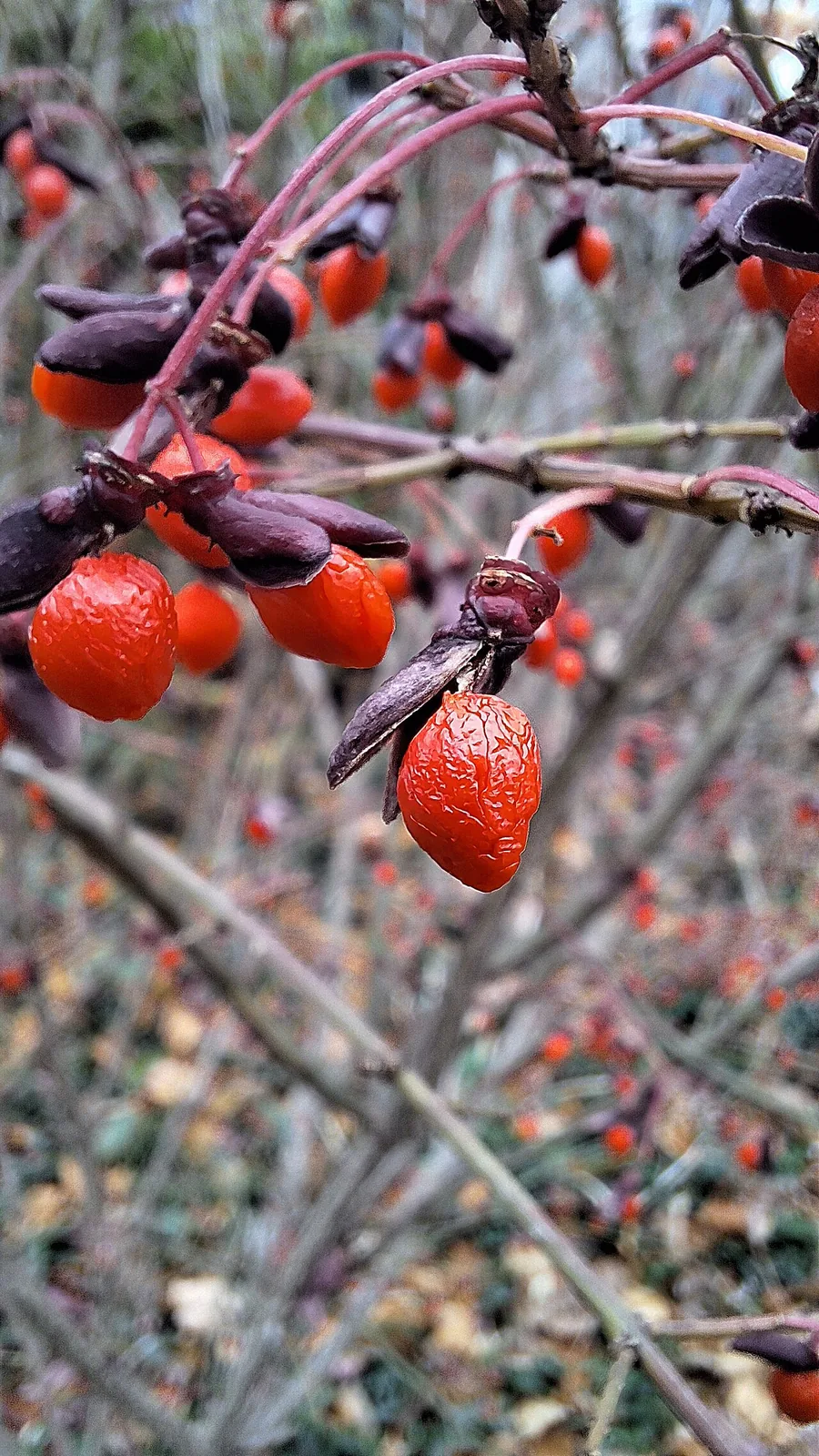

Growing Burning Bush
- Grows well in
- The Northeast, the Southeast, the Midwest, the Plains and Mountain West, and the Pacific Northwest.
- Growth rate
- Fast
- Good for
- Foundation planting, drought tolerant, fall color, and fast growing
- Leaves
- Drops its leaves in winter
- Native to
- Northeast Asia
- State lists
Listed as invasive in Connecticut, with sales banned from October 1, 2028. Connecticut Invasive Plant List
Prohibited in Delaware, so it can’t be sold there. Delaware Invasive Plant List
Prohibited in Maine, so it can’t be sold there. Do Not Sell Invasive Plant List (Chapter 273)
Prohibited in Maryland, so it can’t be sold there. Maryland Prohibited Invasive Plant List
Prohibited in Massachusetts, so it can’t be sold there. Massachusetts Prohibited Plant List
Prohibited in Minnesota, so it can’t be sold there. Minnesota Noxious Weed List
Listed as invasive in Missouri, with sales banned from January 1, 2029. Missouri invasive plant sales ban (RSMo 263.070)
Prohibited in New Hampshire, so it can’t be sold there. New Hampshire Prohibited Invasive Plant Species List (Agr 3800)
Listed as invasive in New Jersey, with sales banned from January 1, 2030. Prohibited Invasive Plant List (Invasive Species Management Act, 2026)
Listed as invasive in New York. Prohibited and Regulated Invasive Species (6 NYCRR Part 575)
Prohibited in Pennsylvania, so it can’t be sold there. Controlled Plant and Noxious Weed Lists
Prohibited in Vermont, so it can’t be sold there. Regulated Introduced Plant Species Quarantine List
Listed as invasive in Virginia. Virginia Invasive Plant Species List
Spacing
VeraScape spaces plants so their grown canopies just touch. For Burning Bush, that’s about 11 ft apart, center to center.
Place a row in your own yard and VeraScape spaces them at their mature width, so you can see whether they’ll crowd the walk.
See Burning Bush in your yard before you dig
Visualize it at its true size, alongside the rest of your design.