Brittlebush
Encelia farinosa
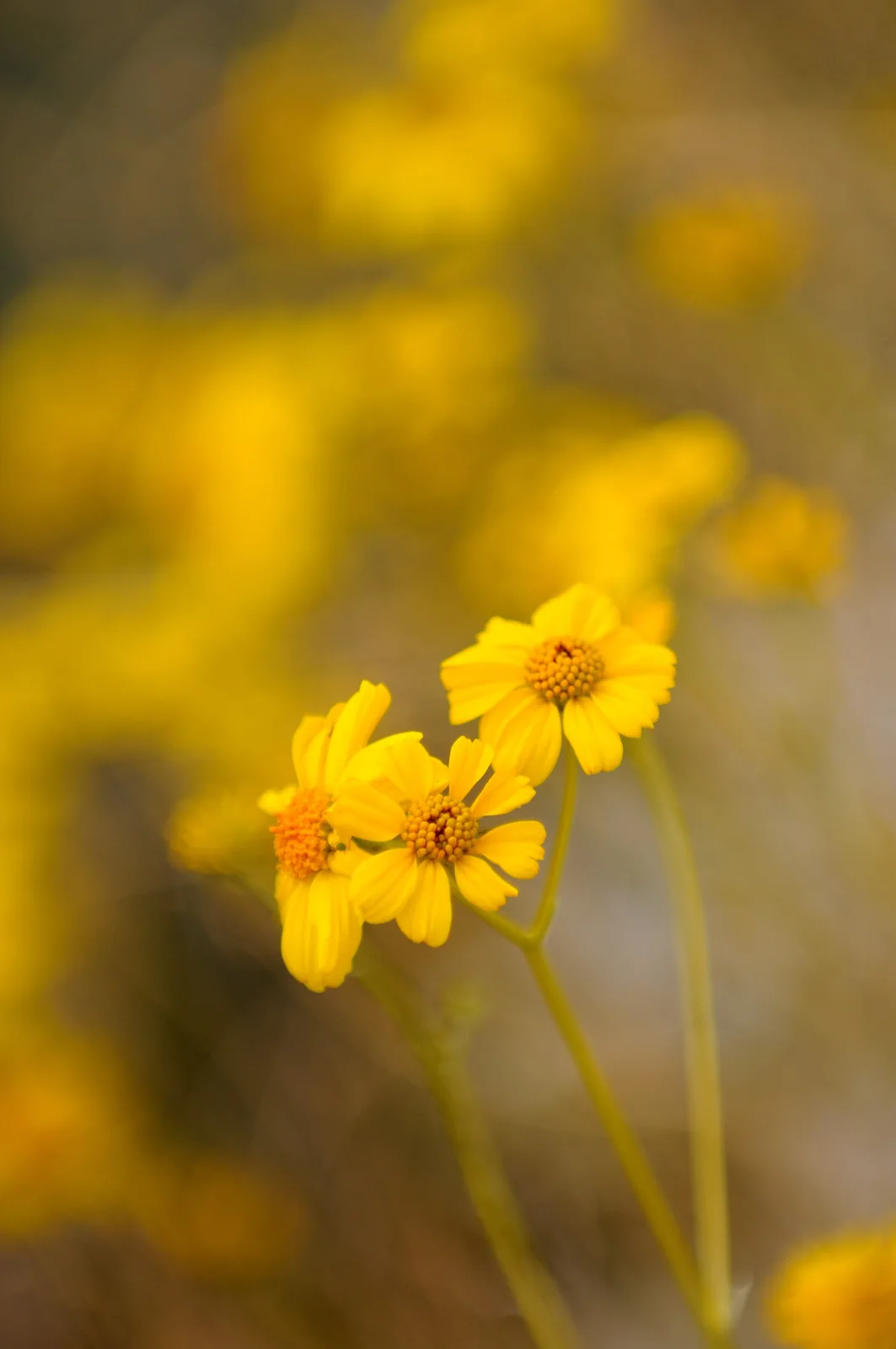
A rounded desert shrub with grey-green leaves that disappears under bright yellow daisies in spring, lighting up desert and Southern California gardens. It thrives in full sun and dry, rocky or sandy soil. It's tender to hard, lasting frost, so it's a plant for mild-winter gardens.
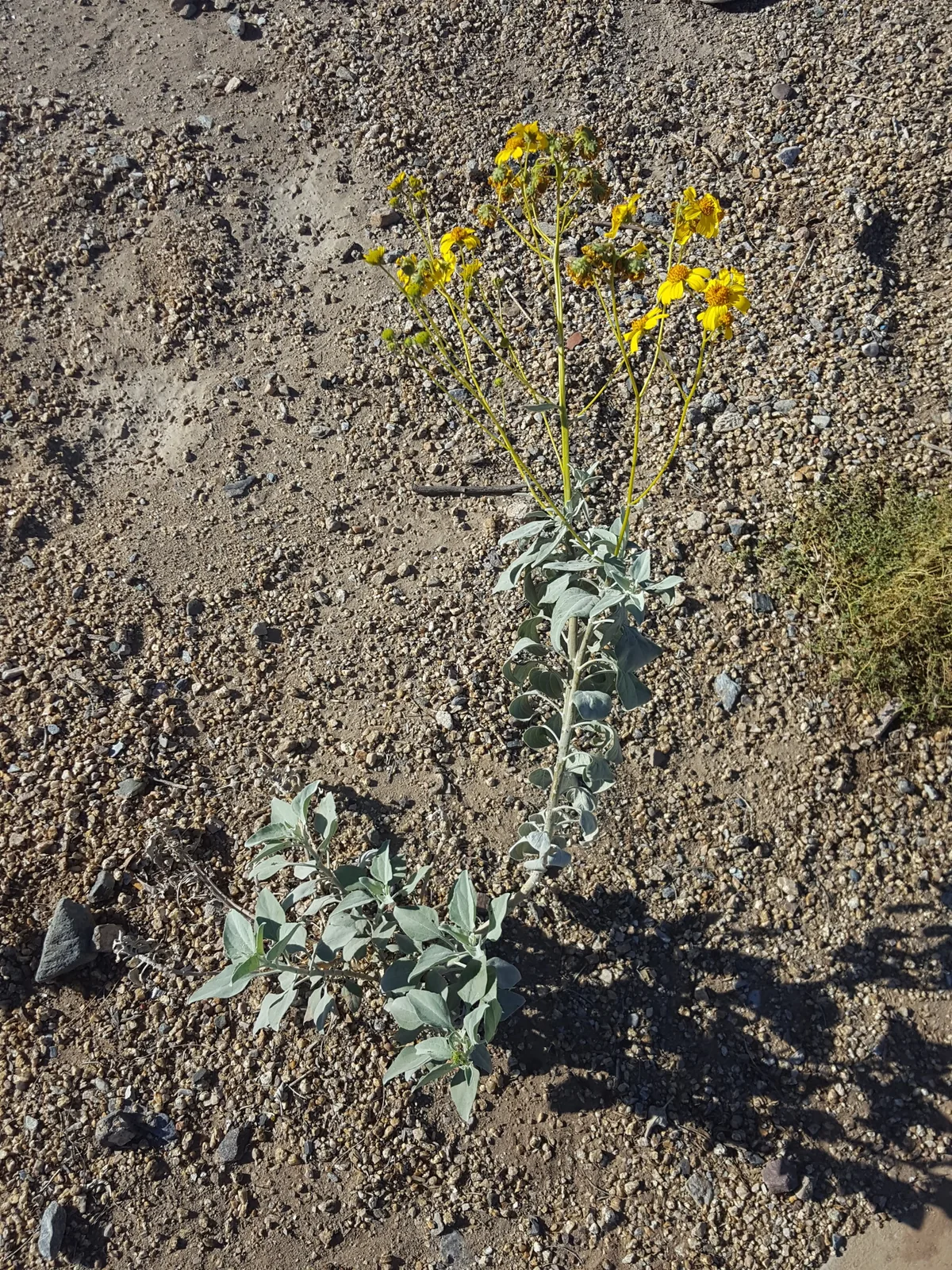
- Mature size
- 3 × 3 ft
- 0.9 × 0.9 m, tall × wide
- Hardiness
- Zones 9a–11b
- USDA
- Sun
- Full sun
- Water
- Dry
- Blooms
- Feb–May
Brittlebush at its mature size
A mature Brittlebush grows to about 3 ft tall and 3 ft wide.
Drawn to scale beside a 5 ft 9 in person. With VeraScape, you see it at this size in your own yard.
Typical mature size, unpruned. Sources: laspilitas.com, Lady Bird Johnson Wildflower Center, USDA PLANTS.
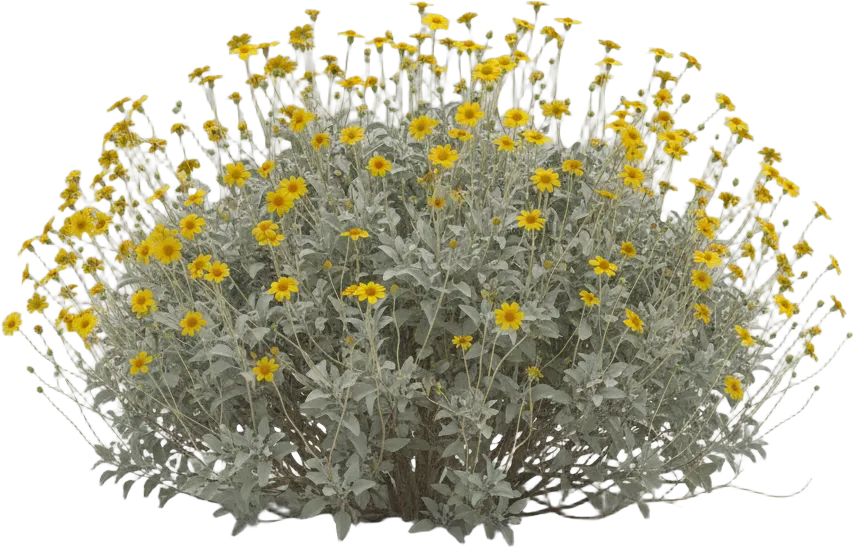

Through the year
What Brittlebush looks like month by month in a typical zone 6–7 garden.
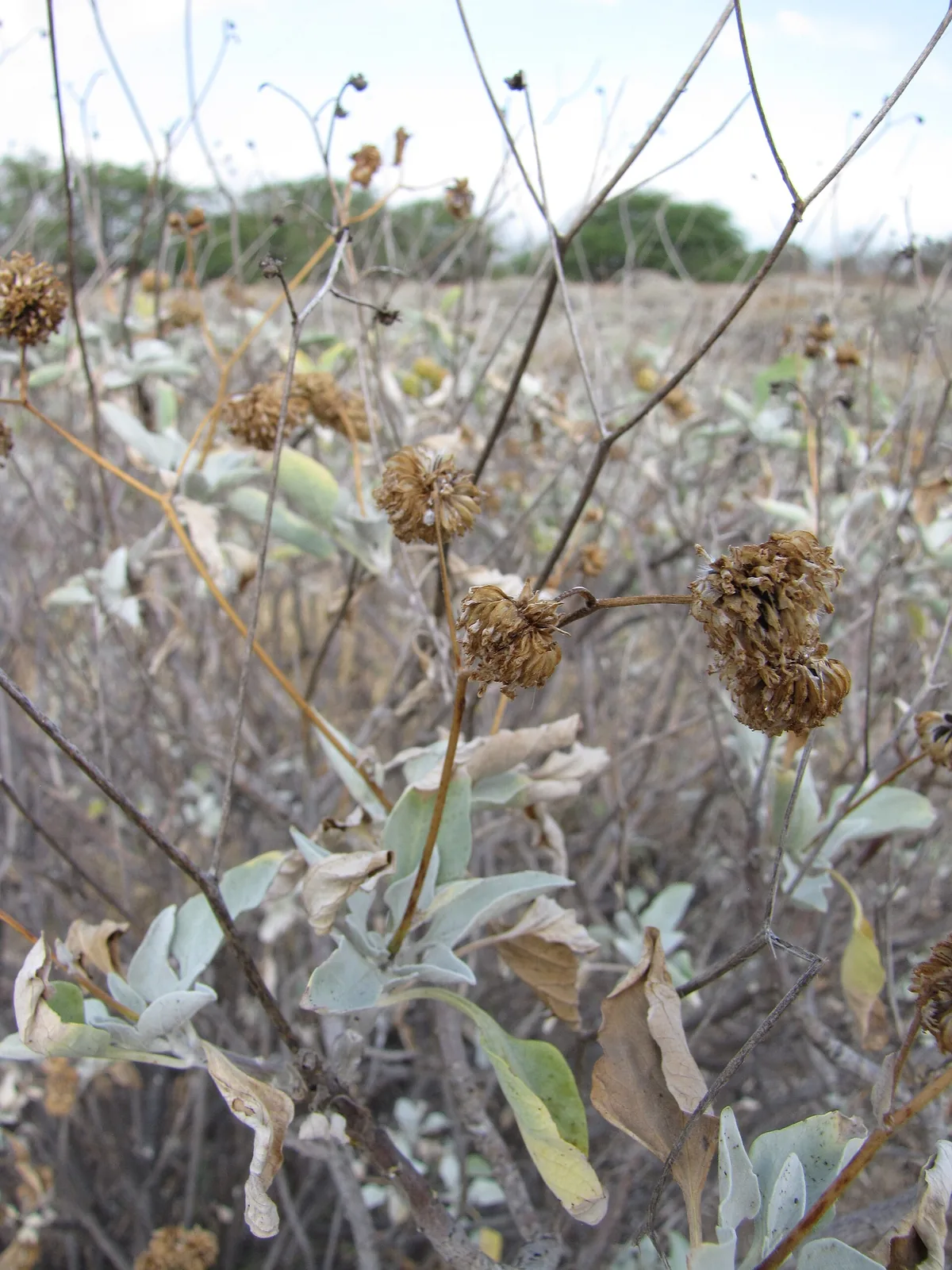
In leaf · Jun–Jan
Silver-white woolly leaves, no flowers.
In flower · Feb–May
Silver-white leaves with yellow daisies held above.
Photos


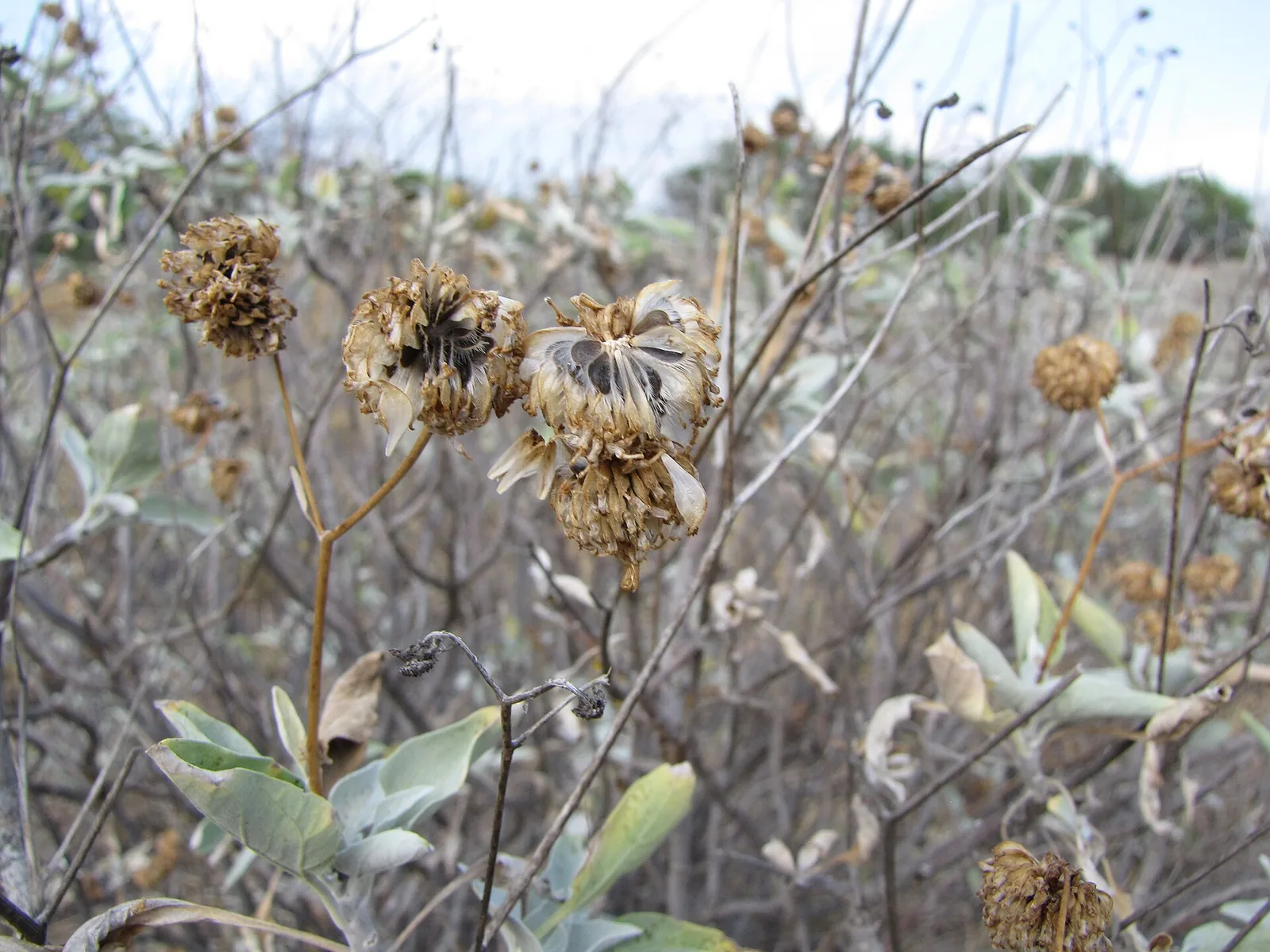

Growing Brittlebush
- Grows well in
- The desert Southwest and California.
- Growth rate
- Fast
- Good for
- Hedge, small space, foundation planting, drought tolerant, pollinators, winter interest, and fast growing
- Leaves
- Evergreen
- Native to
- Mojave and Sonoran deserts and Northwest Mexico
Spacing for a hedge
VeraScape spaces plants so their grown canopies just touch. For Brittlebush, that’s about 3 ft apart, center to center.
Place a row in your own yard and VeraScape spaces them at their mature width, so you can see whether they’ll crowd the walk.
See Brittlebush in your yard before you dig
Visualize it at its true size, alongside the rest of your design.