Blue Fescue
Festuca glauca
A tidy, fine-textured grass grown for mounds of blue-grey blades, a crisp accent or edging for borders, rock gardens and pots, tough in dry, poor soil. It's short-lived: it fades in hot, humid summers, and clumps die out unless divided every few years. Give it full sun, or some midday shade where summers are hot.
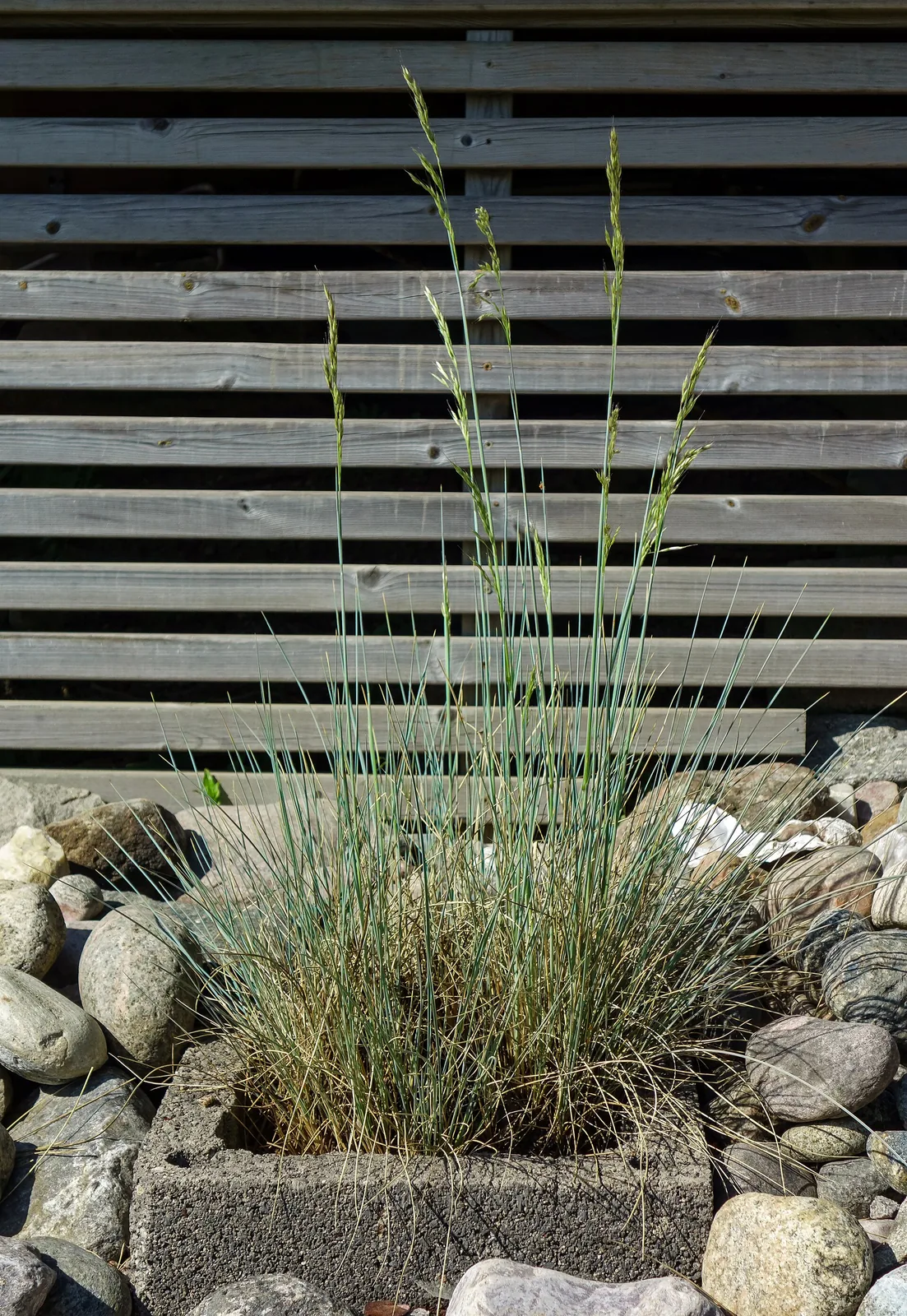
- Mature size
- 10 in × 1.5 ft
- 0.3 × 0.4 m, tall × wide
- Hardiness
- Zones 4a–8b
- USDA
- Sun
- Full sun to part sun
- Water
- Dry to moist
- Blooms
- Jun–Jul
Blue Fescue at its mature size
A mature Blue Fescue grows 8 to 12 inches tall and 12 to 18 inches wide.
Drawn to scale beside a 5 ft 9 in person. With VeraScape, you see it at this size in your own yard.
Typical mature size, unpruned. Sources: NC State Extension.
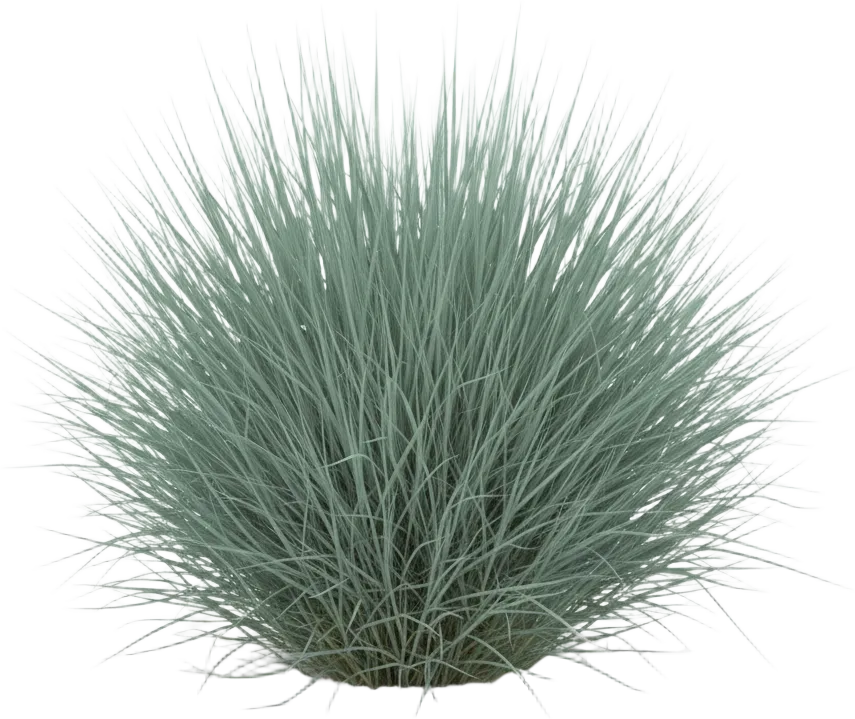

Through the year
What Blue Fescue looks like month by month in a typical zone 6–7 garden.
In leaf · Aug–May
Dense round tuft of fine icy powder-blue leaves.
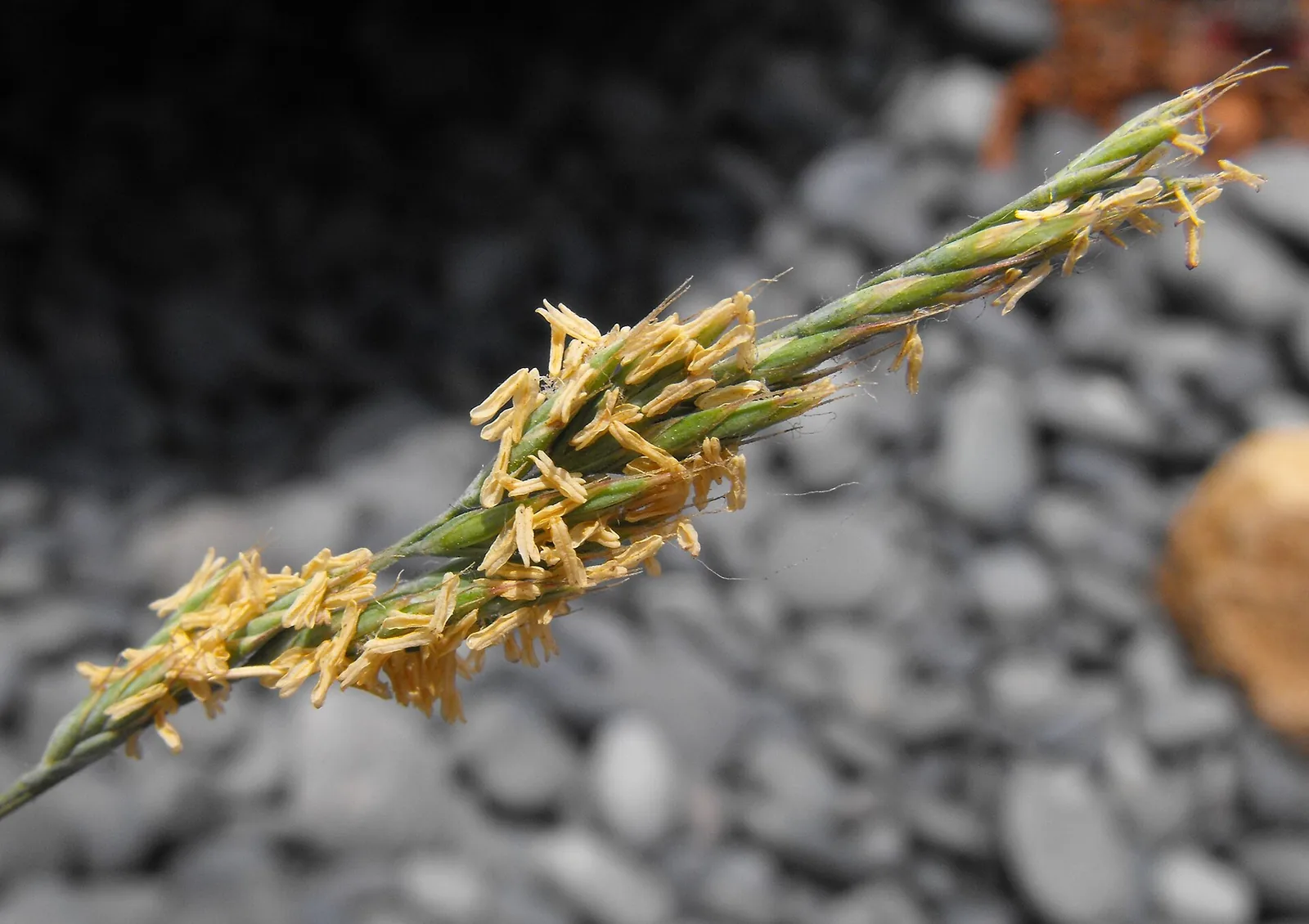
In flower · Jun–Jul
Thin stalks of pale tan-green seed heads rising above the blue tuft.
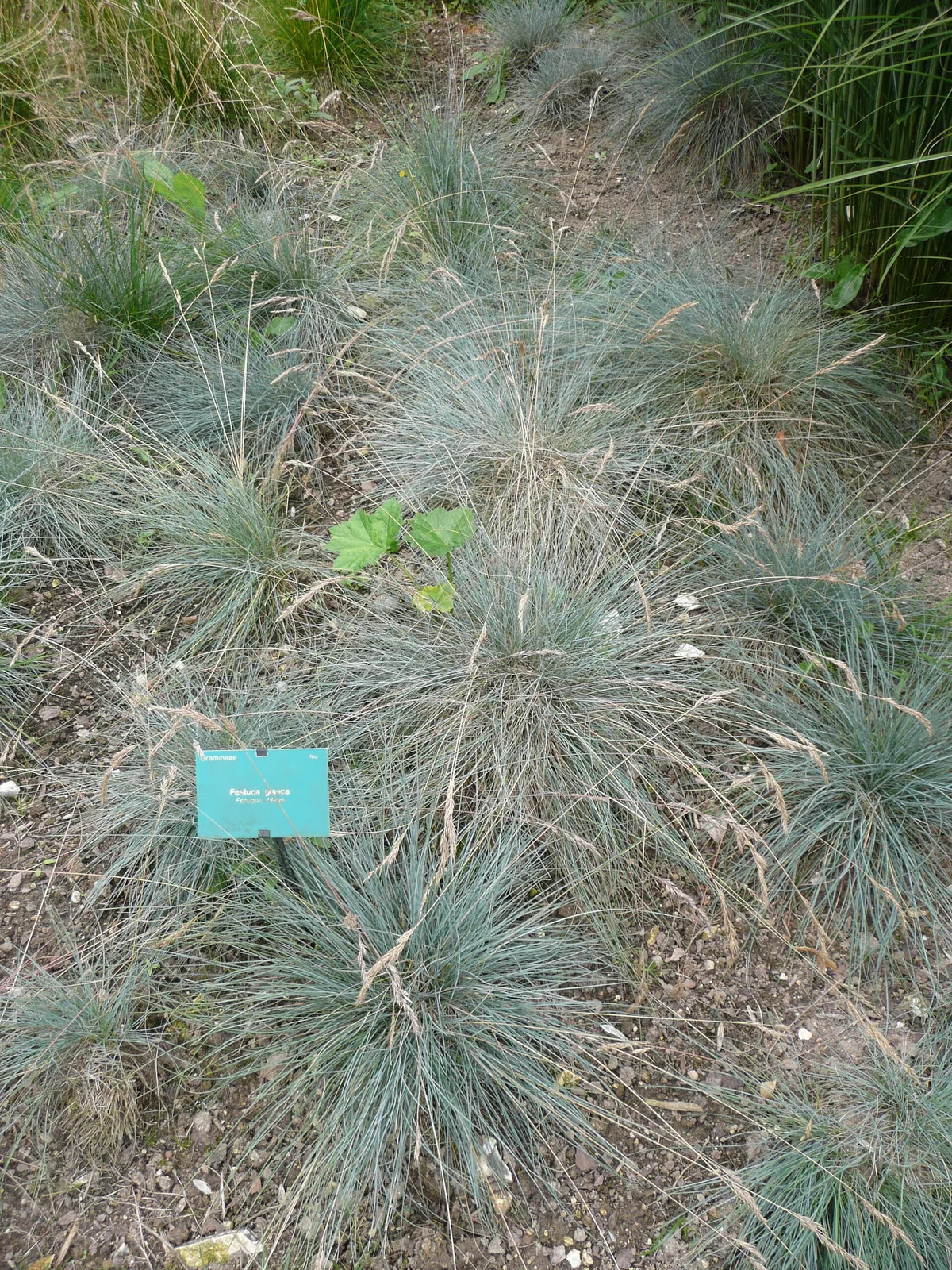
Photos


Growing Blue Fescue
- Grows well in
- The Northeast, the Midwest, the Plains and Mountain West, the Pacific Northwest, and California.
- Good for
- Foundation planting, groundcover, and drought tolerant
- Leaves
- Dies back in winter
- Native to
- Europe
Spacing
VeraScape spaces plants so their grown canopies just touch. For Blue Fescue, that’s about 1.5 ft apart, center to center.
Place a row in your own yard and VeraScape spaces them at their mature width, so you can see whether they’ll crowd the walk.
See Blue Fescue in your yard before you dig
Visualize it at its true size, alongside the rest of your design.