Bleeding Heart
Lamprocapnos spectabilis
A spring classic with arching stems of pink-and-white heart-shaped flowers over ferny leaves, lovely in a shade border or woodland garden. It goes dormant by midsummer, so pair it with hostas or ferns to fill the gap. It needs moist, well-drained soil, never wet in winter or dry in summer, and all parts are poisonous.
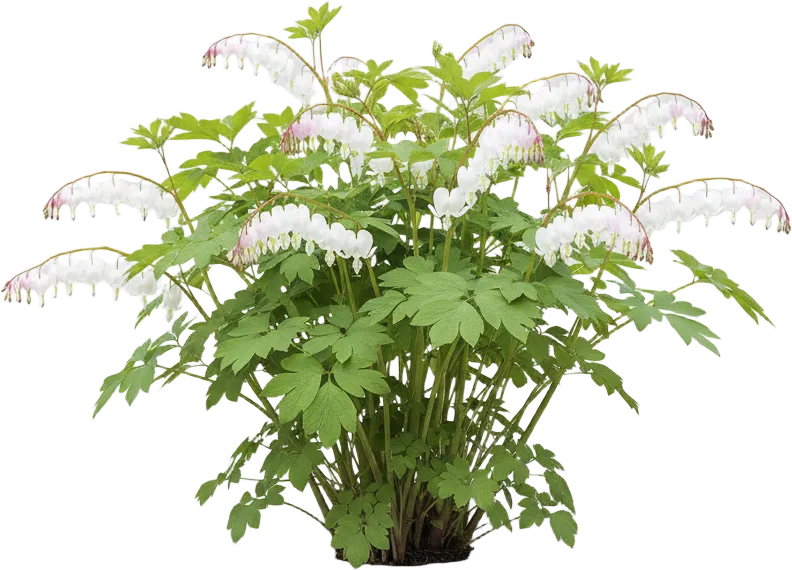
- Mature size
- 2.5 × 2.5 ft
- 0.8 × 0.8 m, tall × wide
- Hardiness
- Zones 3a–9b
- USDA
- Sun
- Part sun to full shade
- Water
- Medium to moist
- Blooms
- Apr–Jun
Bleeding Heart at its mature size
A mature Bleeding Heart grows 2 to 3 feet tall and just as wide.
Drawn to scale beside a 5 ft 9 in person. With VeraScape, you see it at this size in your own yard.
Typical mature size, unpruned. Sources: NC State Extension.

Through the year
What Bleeding Heart looks like month by month in a typical zone 6–7 garden.
Below ground · Jul–Mar
Goes dormant in summer heat; nothing above ground.
In flower · Apr–May
Arching stems of dangling white heart-shaped flowers over soft green leaves.
In leaf · Jun
Mound of soft pale green divided leaves, no flowers.
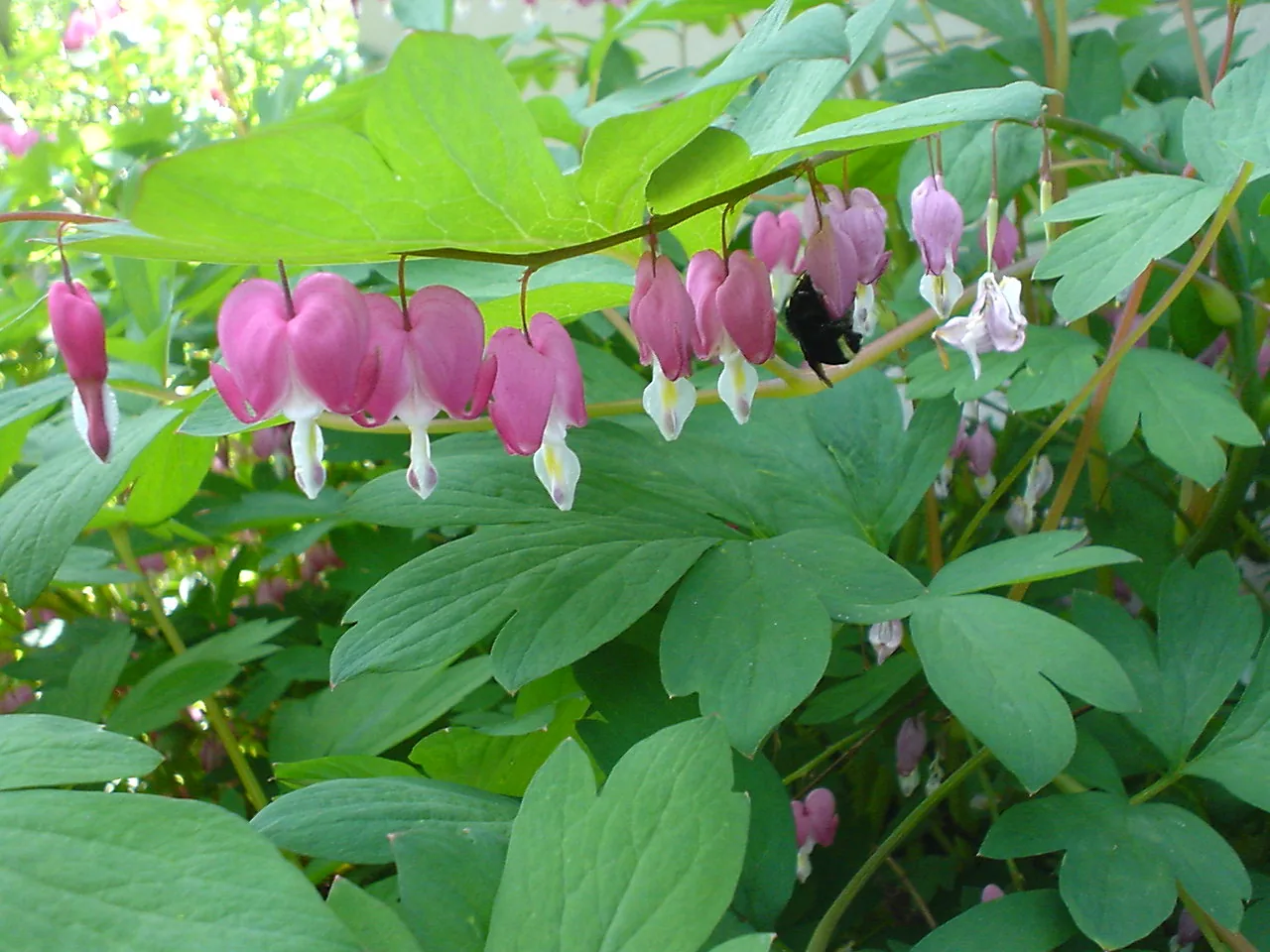
Photos
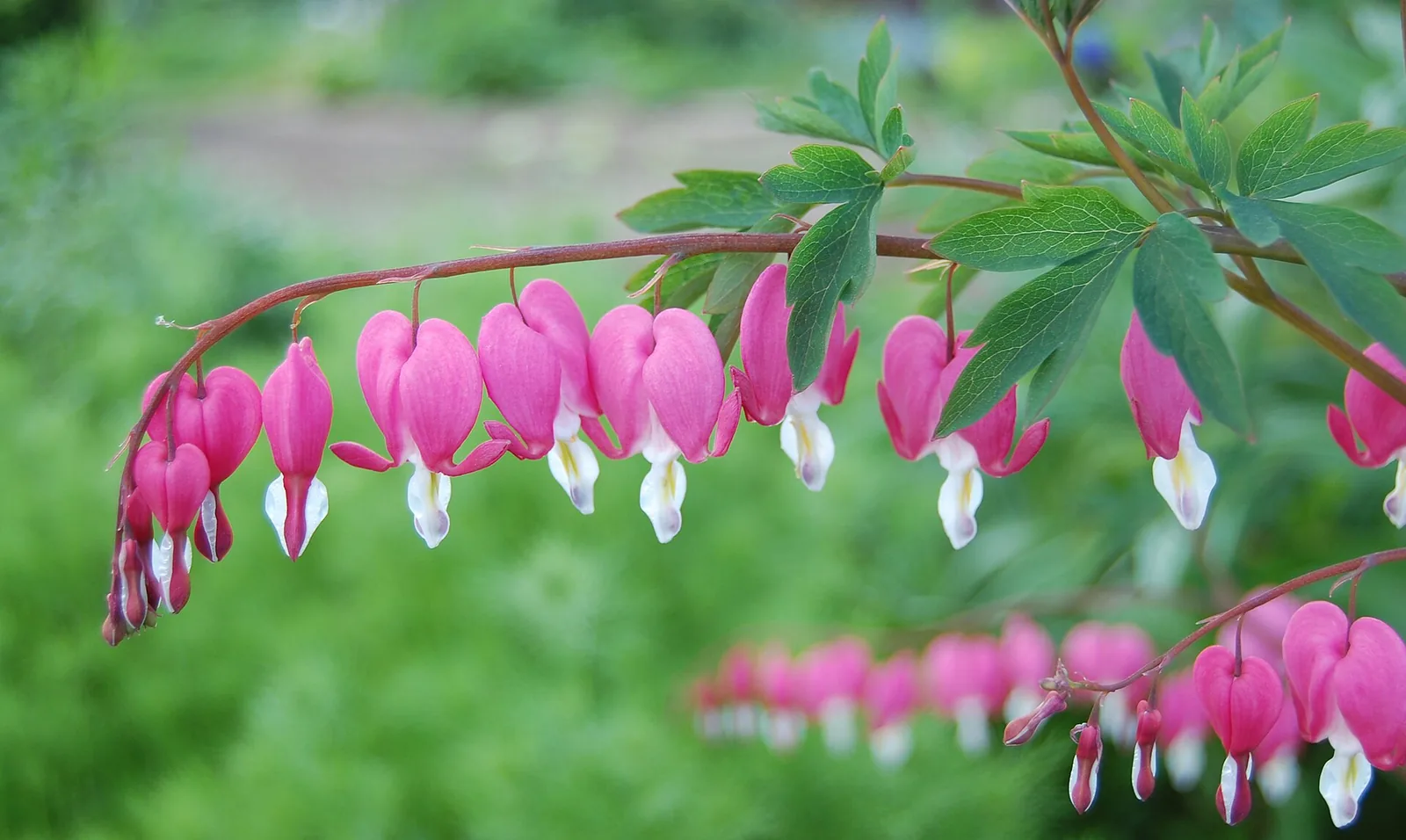

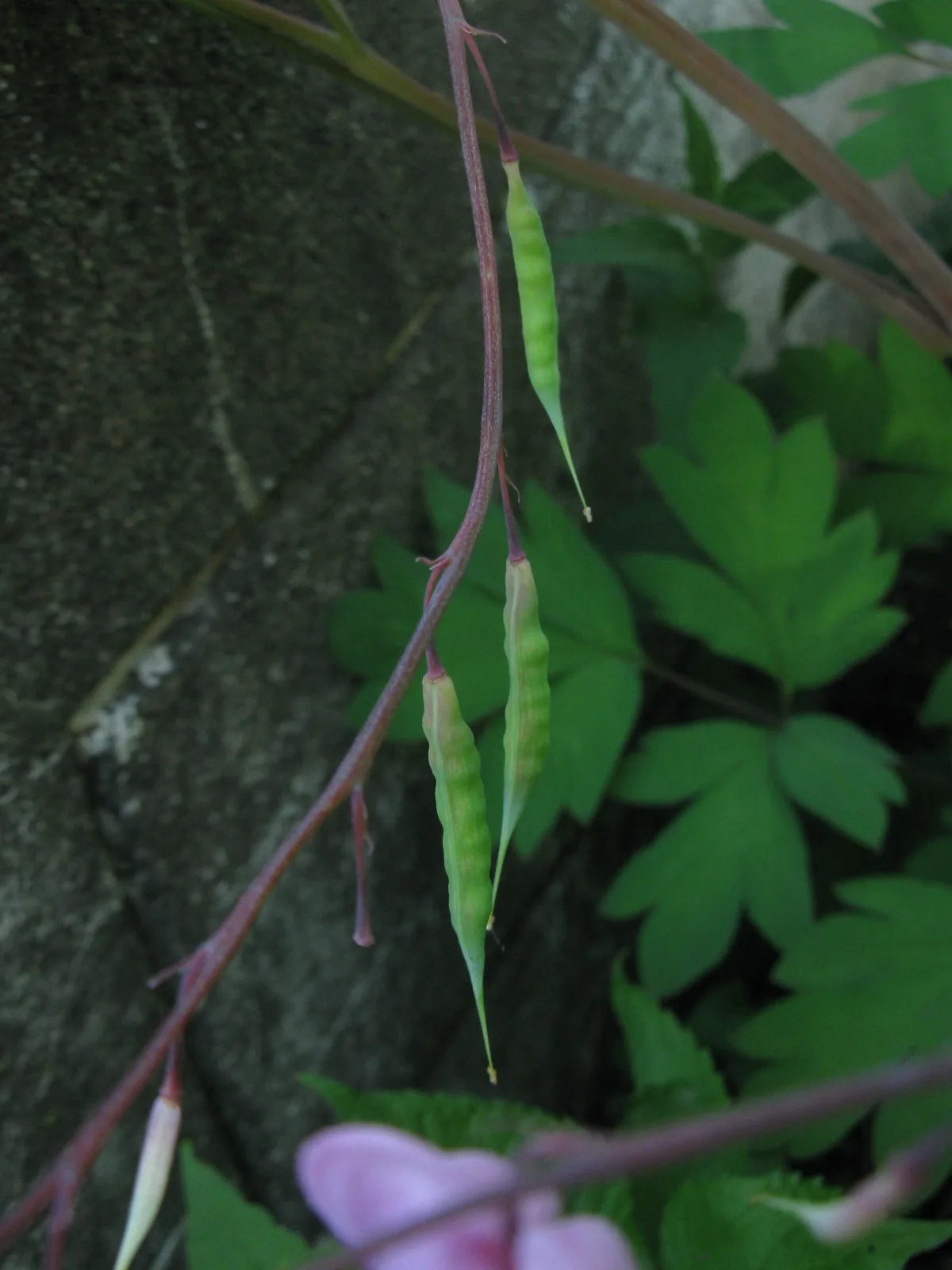

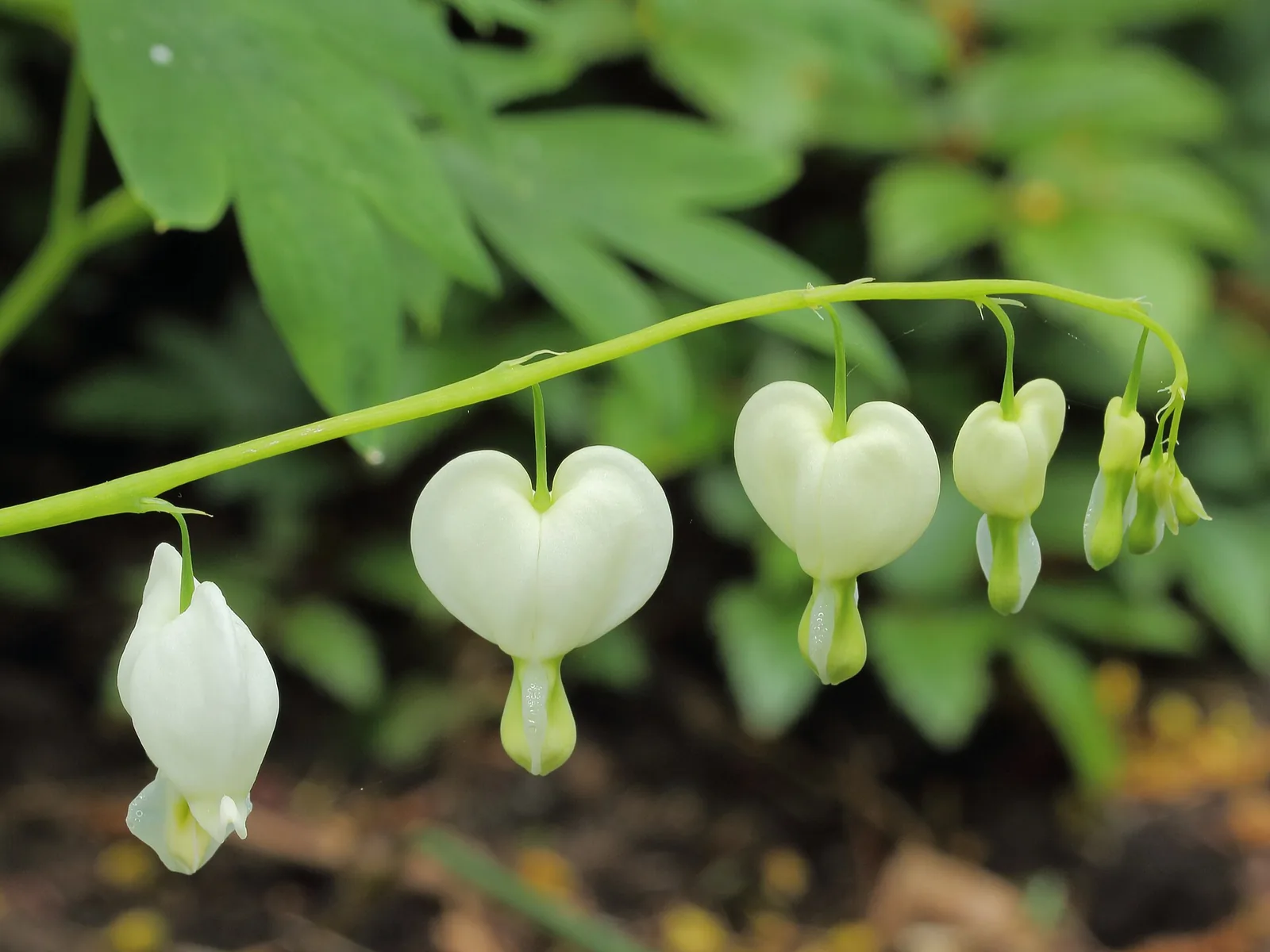

Growing Bleeding Heart
- Grows well in
- The Northeast, the Midwest, the Plains and Mountain West, and the Pacific Northwest.
- Good for
- Specimen, shade garden, and deer resistant
- Leaves
- Dies back in winter
- Native to
- Siberia, Japan, Northern China, and Korea
Spacing
VeraScape spaces plants so their grown canopies just touch. For Bleeding Heart, that’s about 2.5 ft apart, center to center.
Place a row in your own yard and VeraScape spaces them at their mature width, so you can see whether they’ll crowd the walk.
See Bleeding Heart in your yard before you dig
Visualize it at its true size, alongside the rest of your design.