Black Gum
Nyssa sylvatica
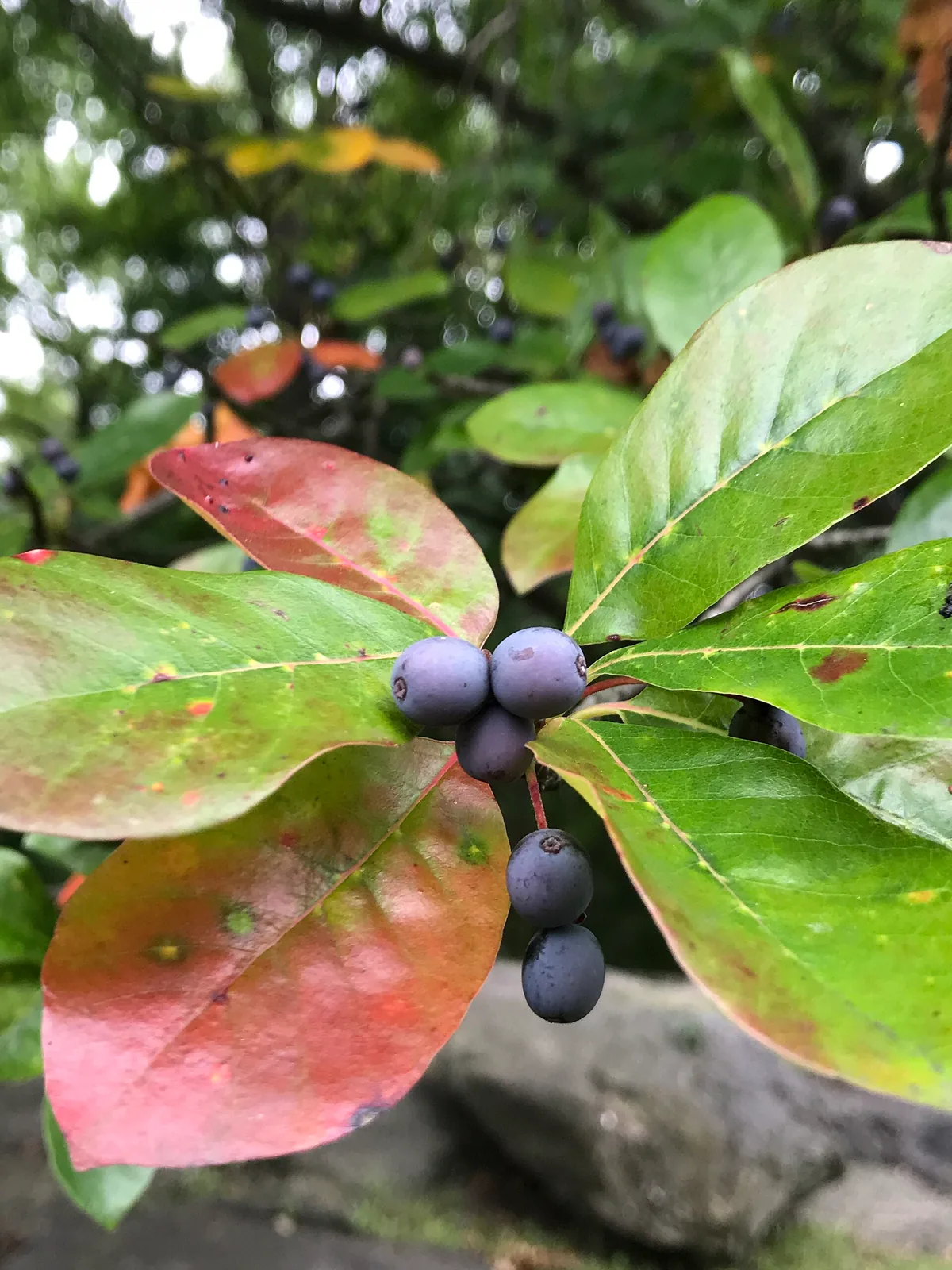
Chosen for brilliant scarlet fall colour and glossy summer leaves, a native shade or street tree that takes wet or dry soil, wind and salt spray, with blue-black fruit for birds and flowers bees love. Plant it young and for keeps, since its taproot resents moving, and avoid alkaline soil.
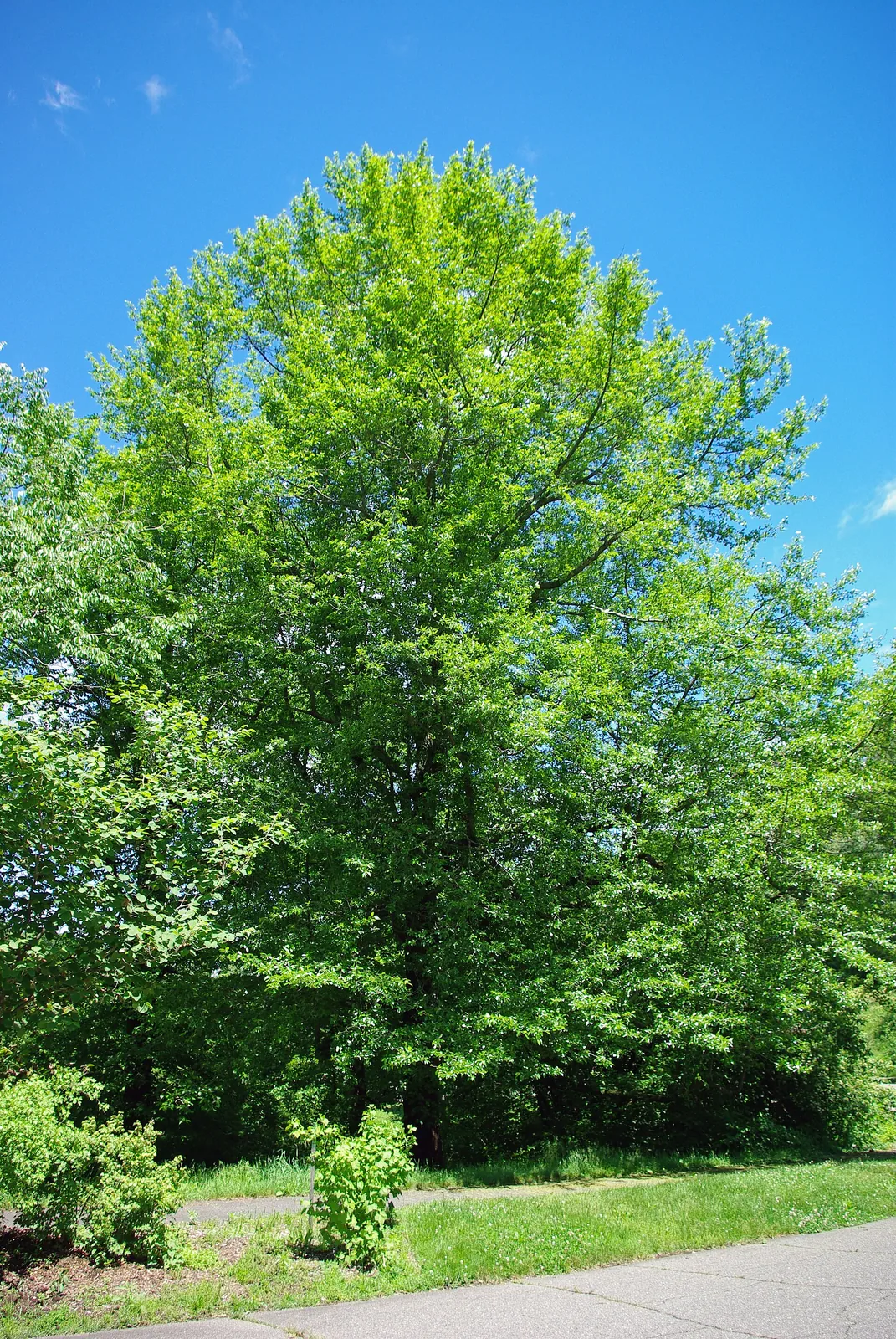
- Mature size
- 55 × 28 ft
- 17 × 8.5 m, tall × wide
- Hardiness
- Zones 4a–9b
- USDA
- Sun
- Full sun
- Water
- Dry to wet
- Fall color
- Oct
Black Gum at its mature size
A mature Black Gum grows 40 to 70 feet tall and 20.67 to 35.5 feet wide, taller than most people.
Drawn to scale beside a 5 ft 9 in person. With VeraScape, you see it at this size in your own yard.
Typical mature size, unpruned. Sources: NC State Extension.
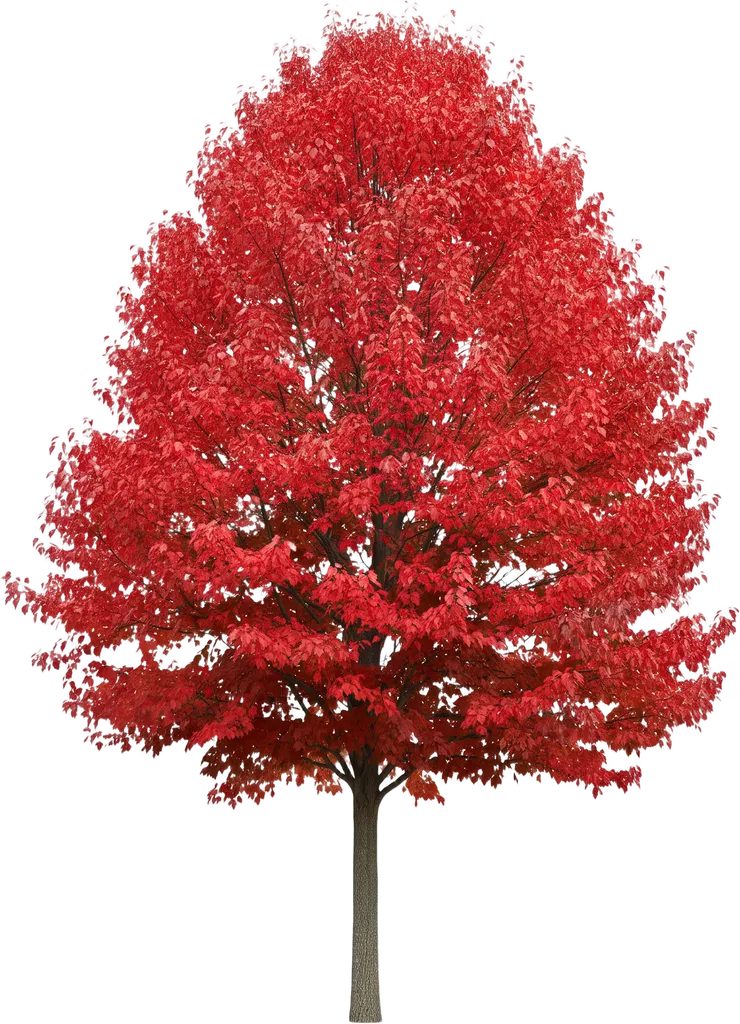

Through the year
What Black Gum looks like month by month in a typical zone 6–7 garden.
Dormant · Nov–Apr
Bare: many short horizontal branches off a straight trunk, blocky dark bark; leafs out late.
In leaf · May–Sep
Glossy dark green oval leaves.
Fall · Oct
Brilliant scarlet, glowing, mixed with orange and purple.
Photos
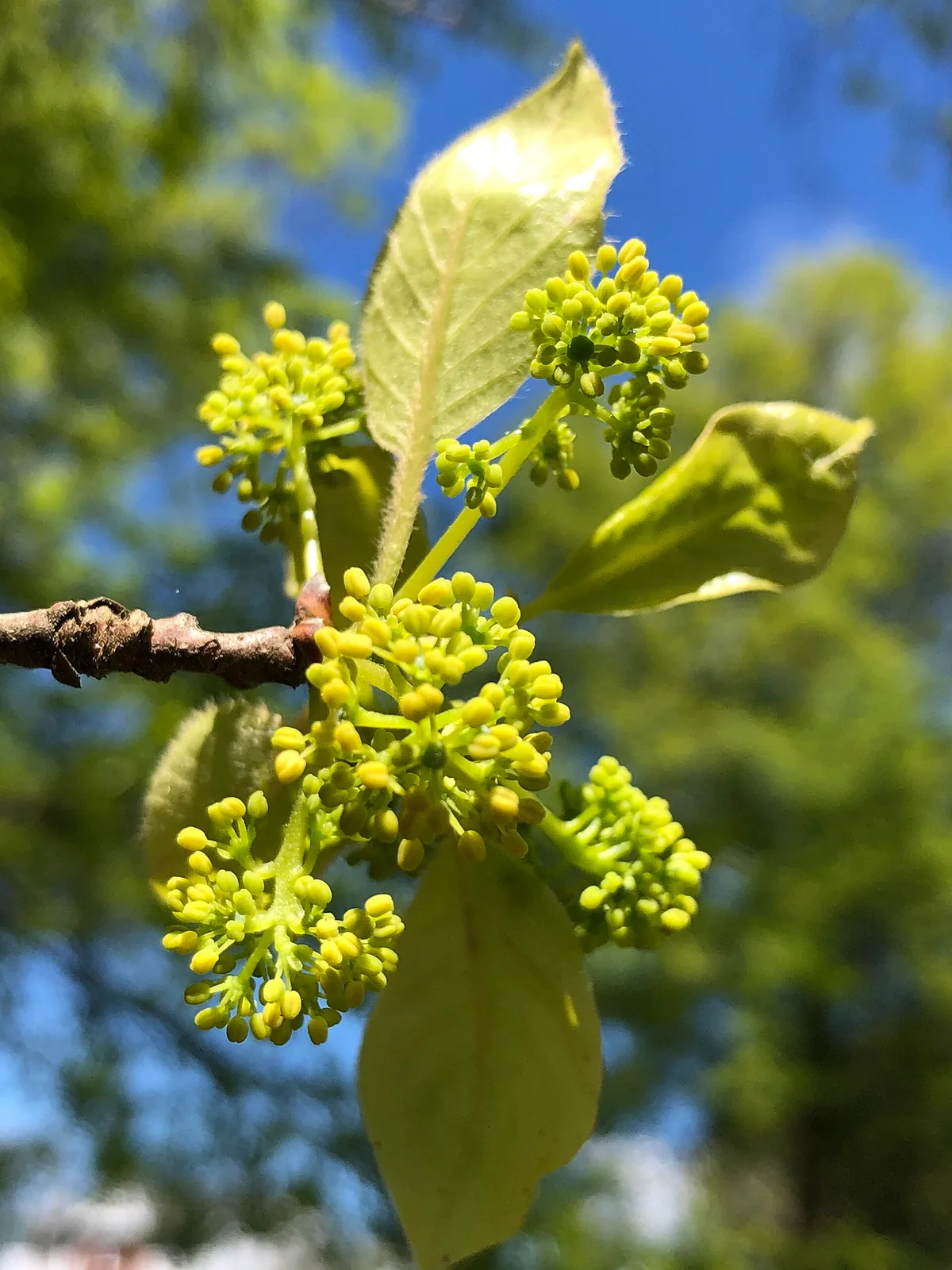

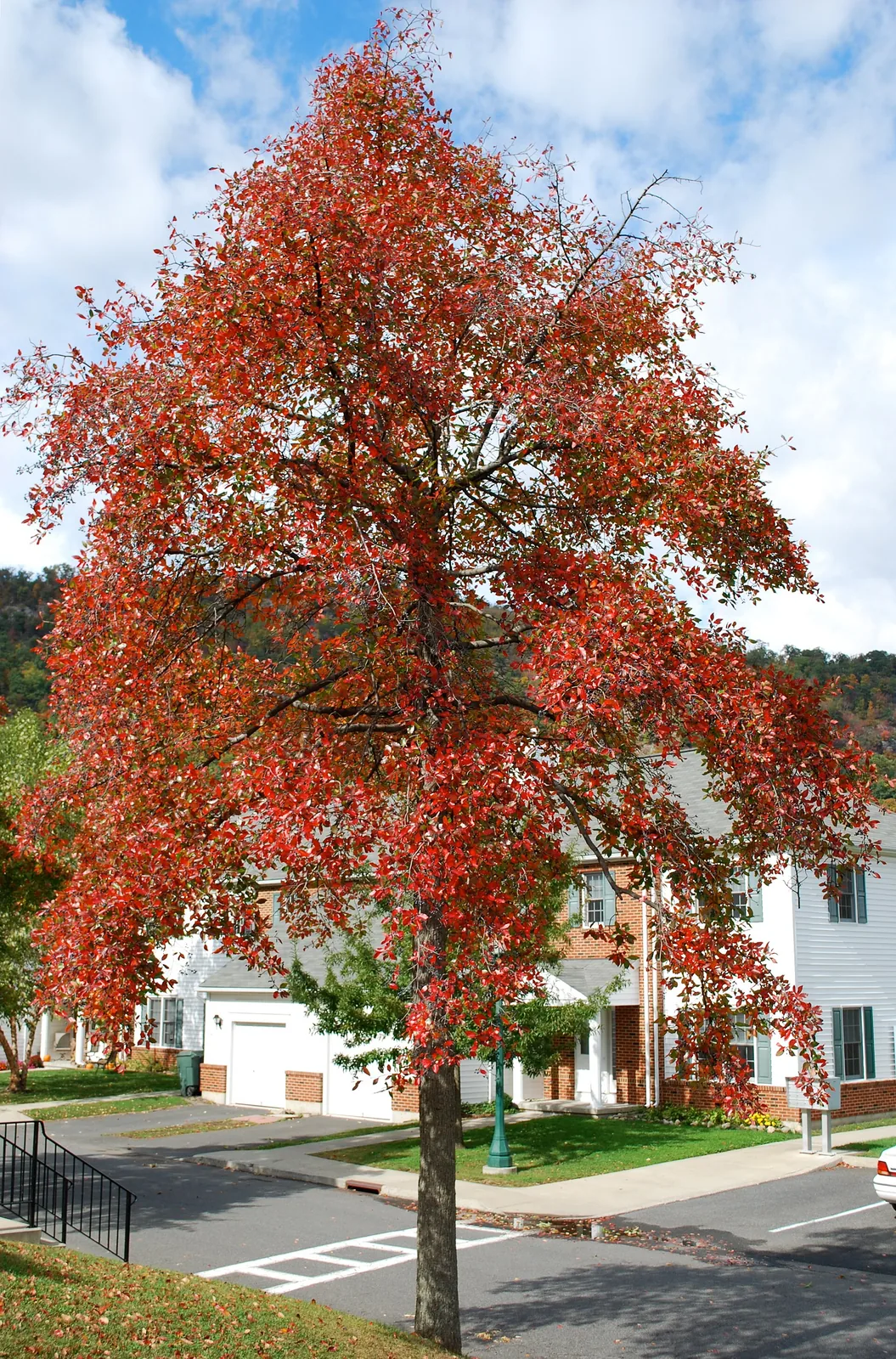


Growing Black Gum
- Grows well in
- The Northeast, the Southeast, and the Midwest.
- Growth rate
- Slow
- Good for
- Specimen, drought tolerant, rain garden, deer resistant, and fall color
- Leaves
- Drops its leaves in winter
- Native to
- Eastern North America and Central North America
Spacing
VeraScape spaces plants so their grown canopies just touch. For Black Gum, that’s about 28 ft apart, center to center.
Place a row in your own yard and VeraScape spaces them at their mature width, so you can see whether they’ll crowd the walk.
See Black Gum in your yard before you dig
Visualize it at its true size, alongside the rest of your design.