Bee Balm
Monarda didyma
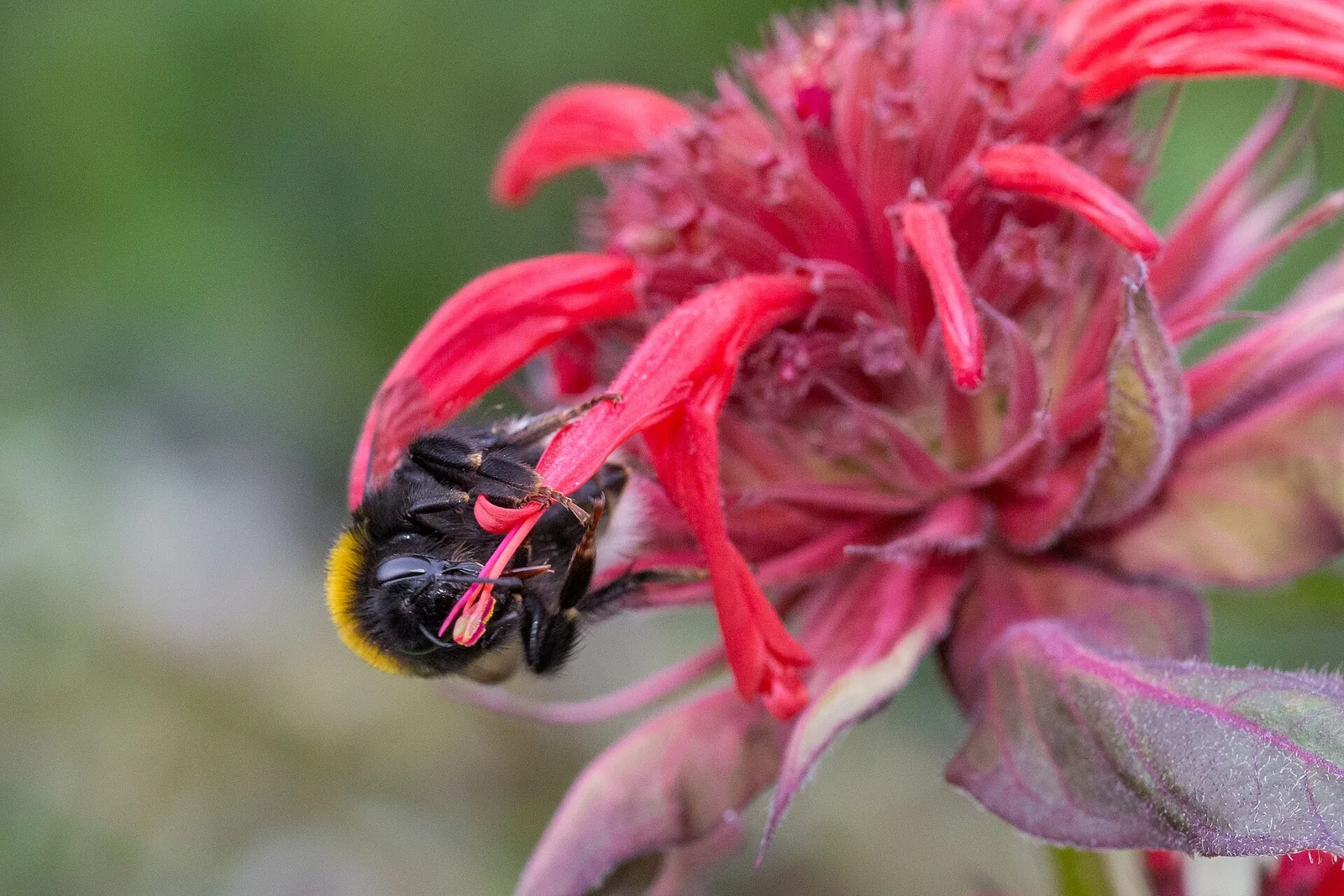
A native with mop-heads of scarlet, tubular flowers through midsummer that hummingbirds, bees and butterflies crowd, over minty leaves, and deer and rabbits leave it alone. It suits moist borders, rain gardens and pond edges. It spreads by runners, and powdery mildew is common, so water the soil, not the leaves.
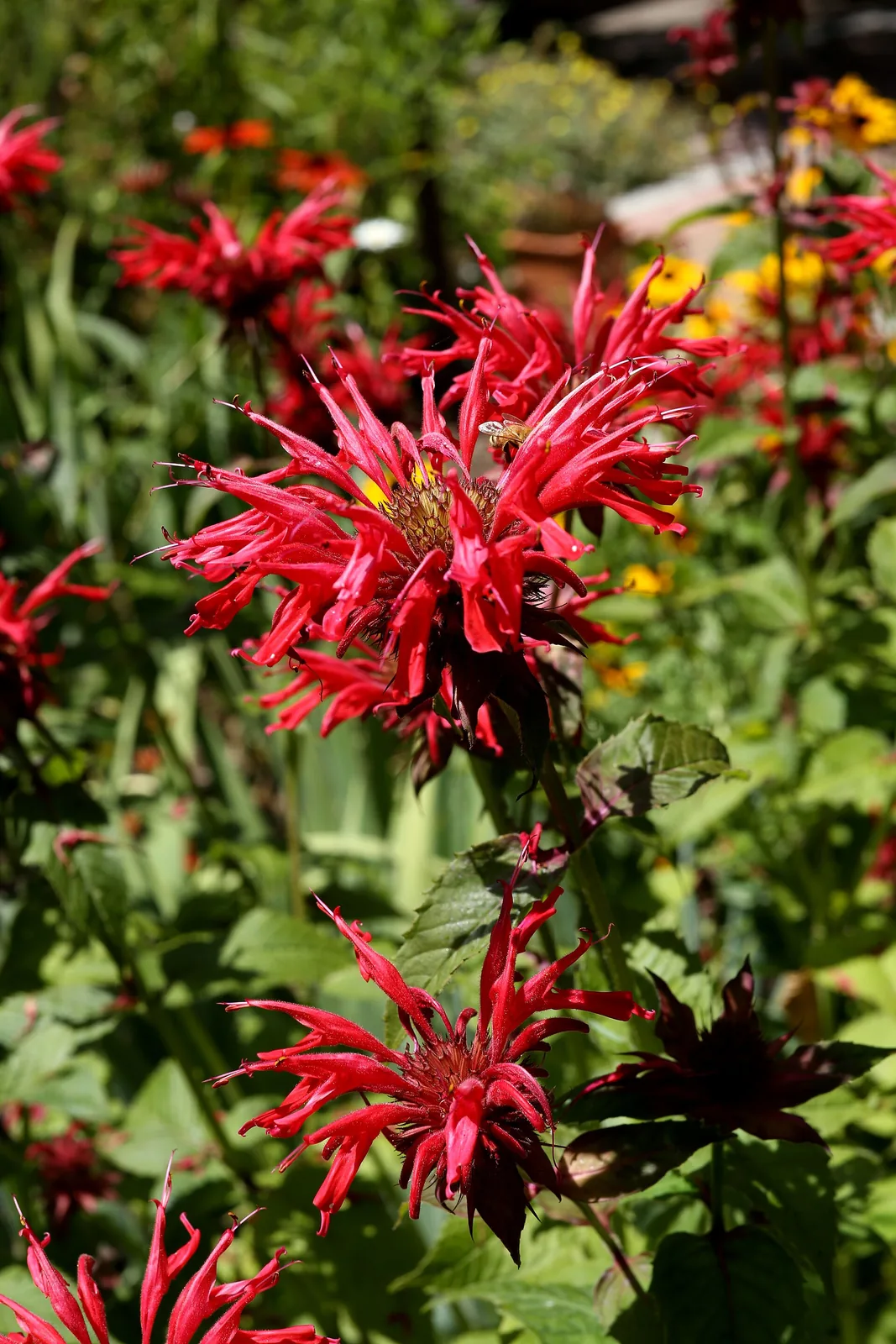
- Mature size
- 3 × 2.5 ft
- 0.9 × 0.8 m, tall × wide
- Hardiness
- Zones 4a–9b
- USDA
- Sun
- Full sun to part sun
- Water
- Medium to wet
- Blooms
- Jul–Aug
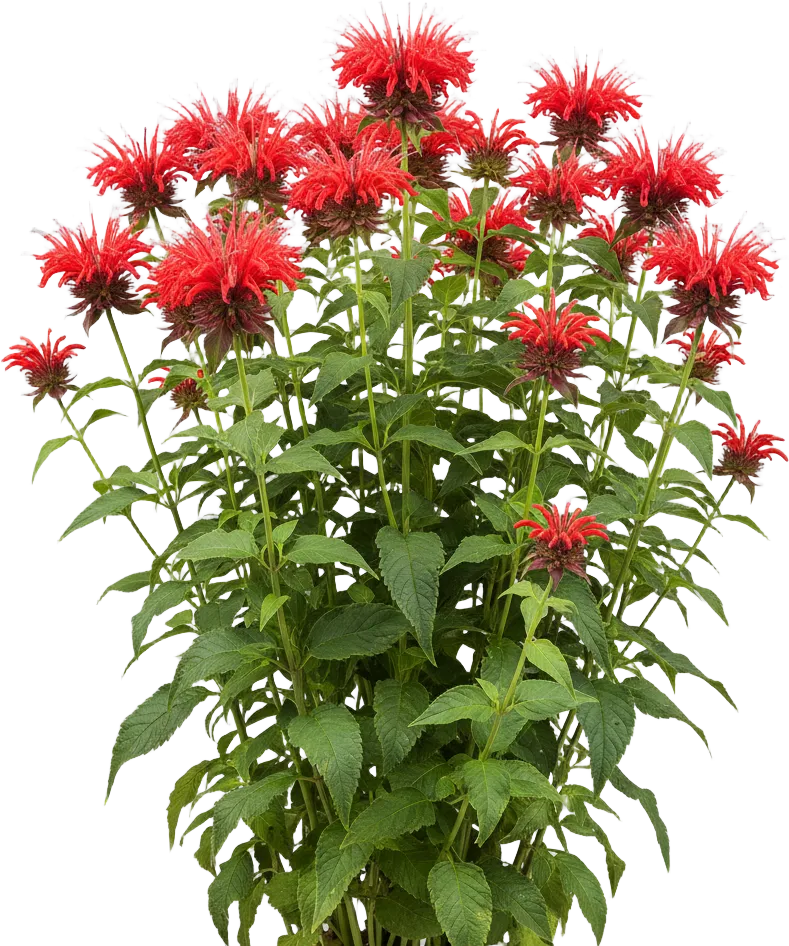
Bee Balm at its mature size
A mature Bee Balm grows 2 to 4 feet tall and 2 to 3 feet wide.
Drawn to scale beside a 5 ft 9 in person. With VeraScape, you see it at this size in your own yard.
Typical mature size, unpruned. Sources: NC State Extension, Missouri Botanical Garden.

Through the year
What Bee Balm looks like month by month in a typical zone 6–7 garden.
Below ground · Nov–Apr
Dies back to the ground.
In leaf · May–Jun
Upright clump of square stems with paired dark green leaves, no flowers.
In flower · Jul–Aug
Shaggy scarlet-red flower heads on every stem.
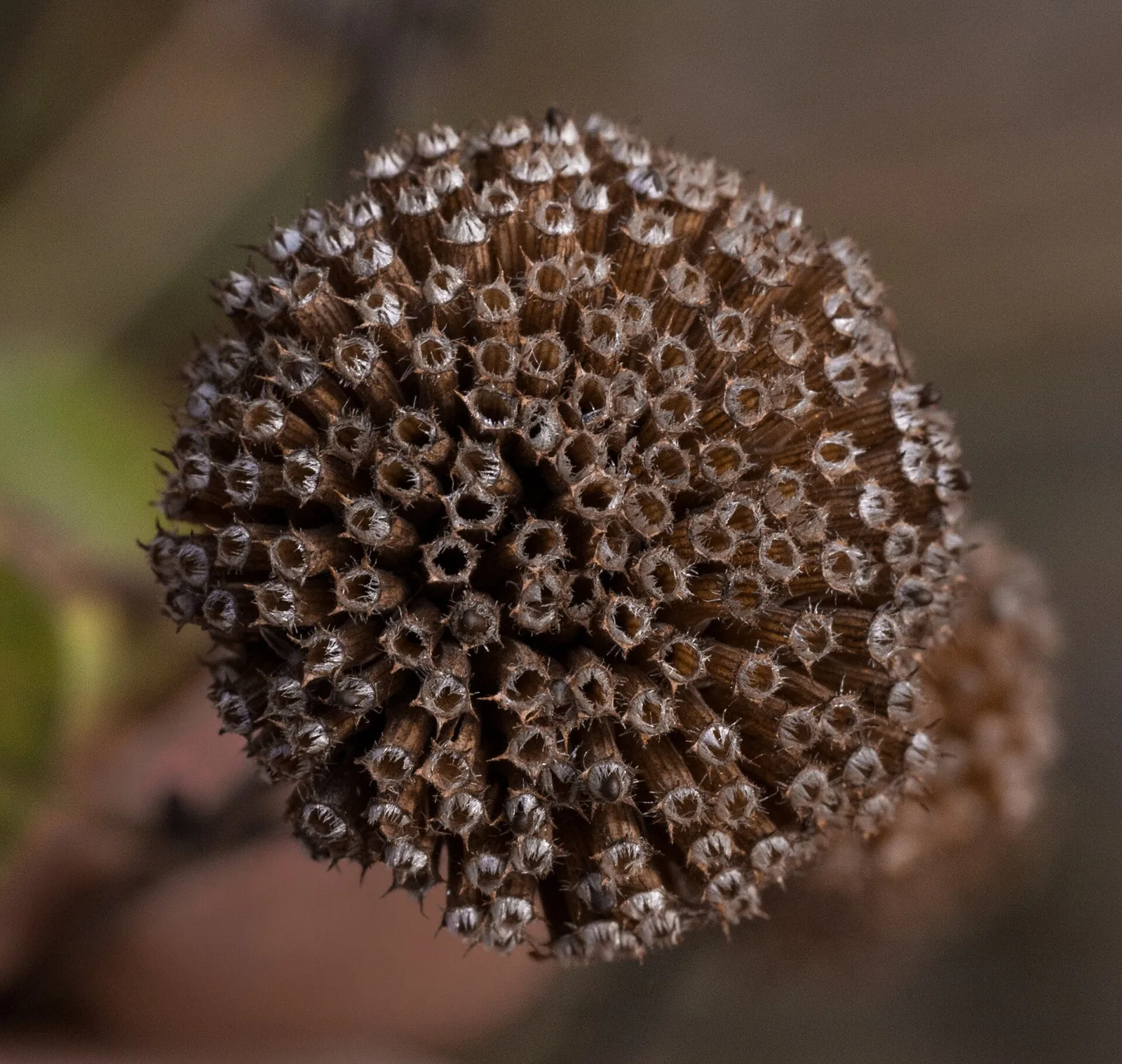
Fall · Sep–Oct
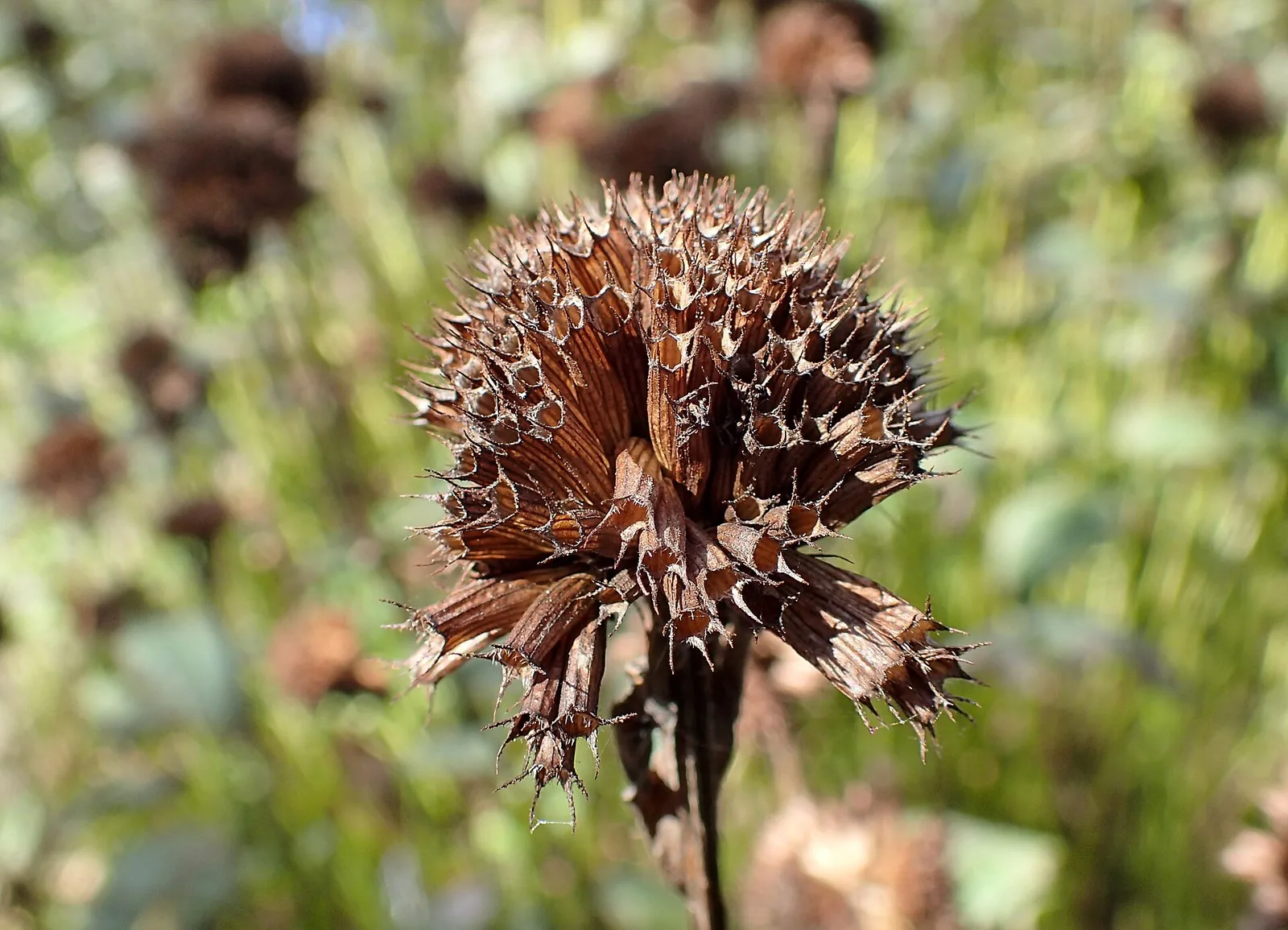
Round dark brown seed heads, leaves dull green, some with a slight whitish-gray mildew cast; not a gray plant.
Photos



Growing Bee Balm
- Grows well in
- The Northeast, the Southeast, the Midwest, and the Pacific Northwest.
- Growth rate
- Medium
- Good for
- Specimen, rain garden, deer resistant, pollinators, and fragrant
- Leaves
- Dies back in winter
- Native to
- Eastern North America
Spacing
VeraScape spaces plants so their grown canopies just touch. For Bee Balm, that’s about 2.5 ft apart, center to center.
Place a row in your own yard and VeraScape spaces them at their mature width, so you can see whether they’ll crowd the walk.
See Bee Balm in your yard before you dig
Visualize it at its true size, alongside the rest of your design.