Apache Plume
Fallugia paradoxa
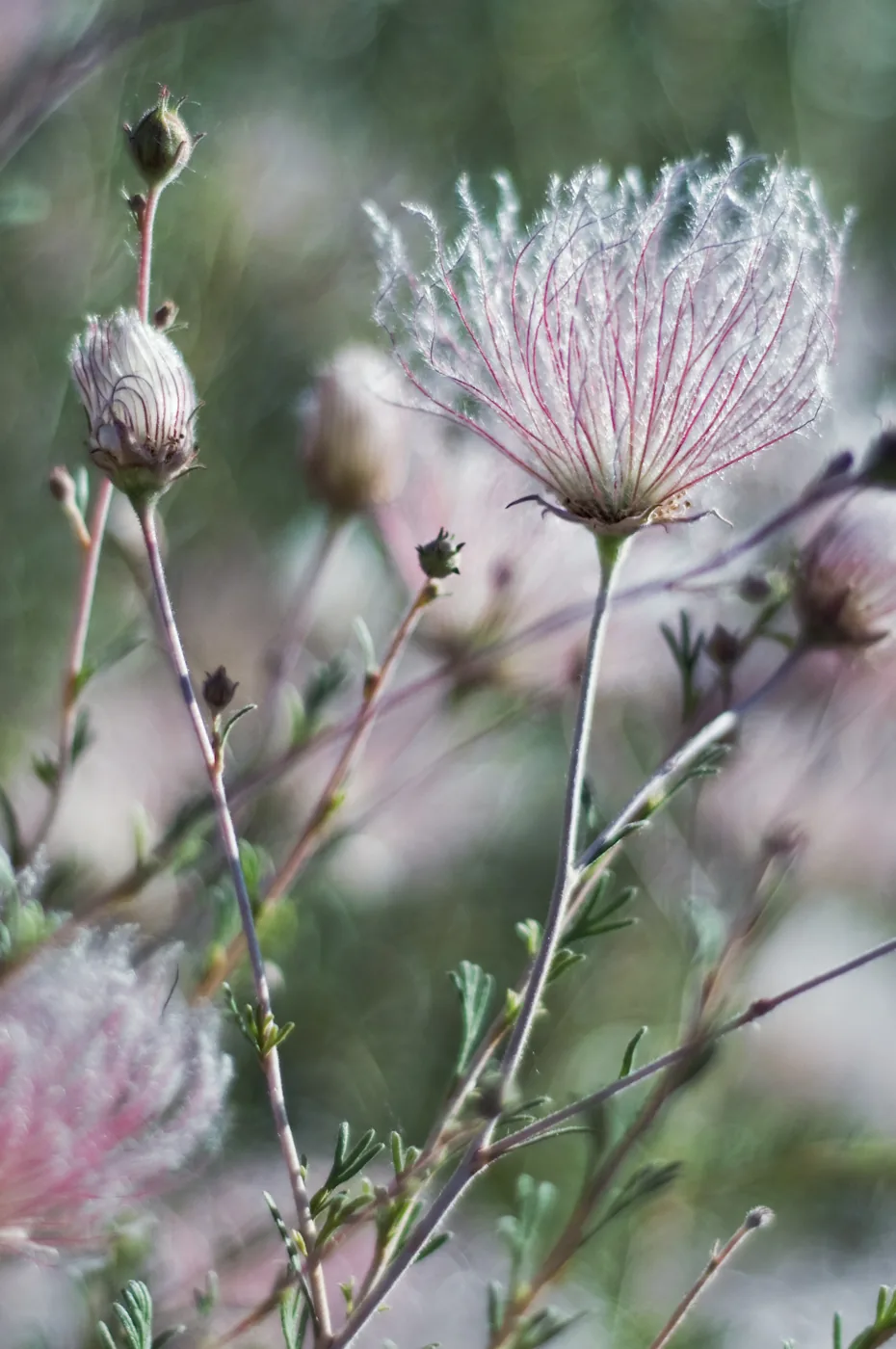
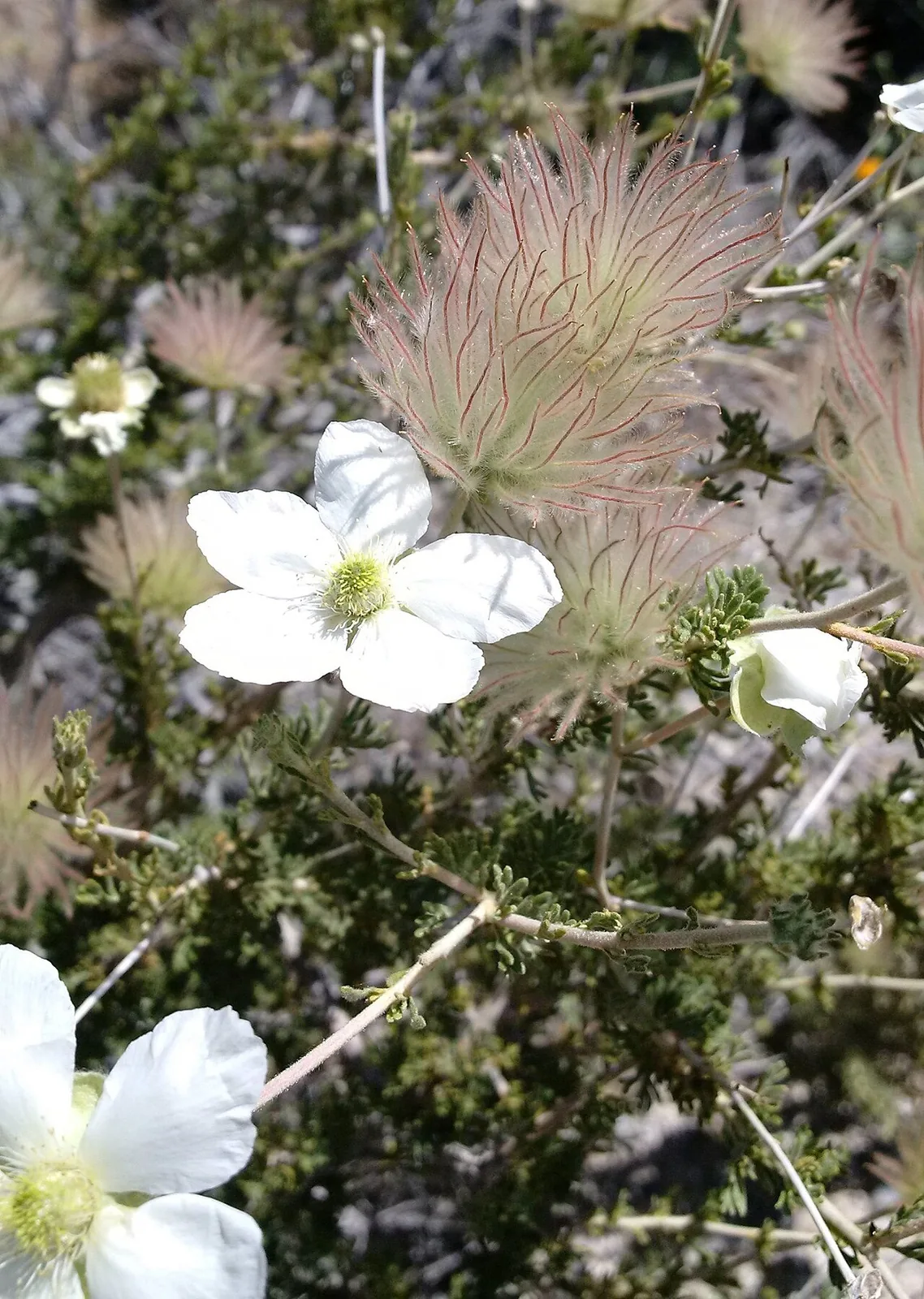
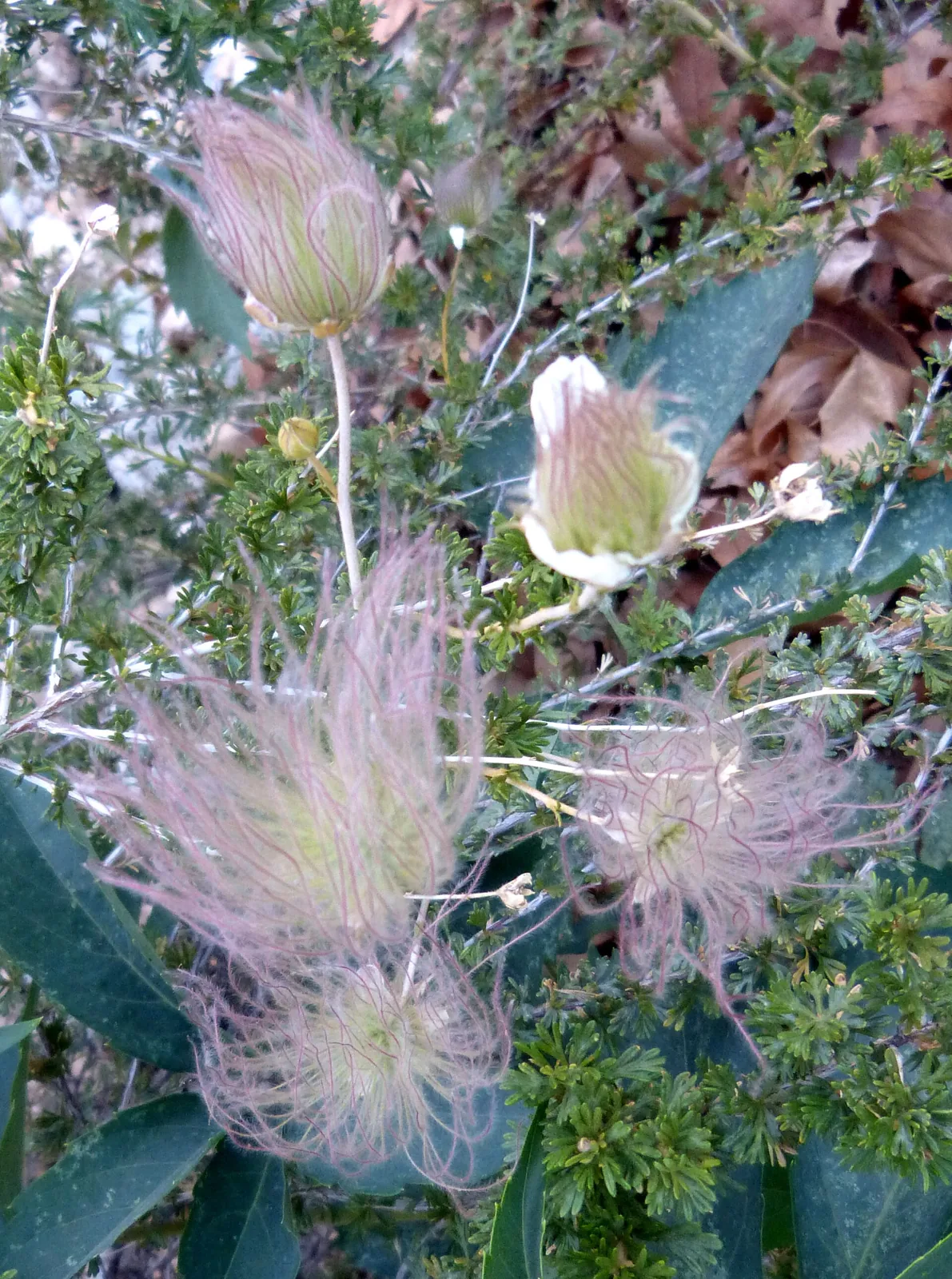
A Southwestern native shrub with white, rose-like flowers from late spring into fall, followed by feathery pink seed plumes. It's very drought tolerant, and its deep roots make it a natural for holding dry slopes. In ideal conditions it can self-seed aggressively; cut the oldest stems to the ground to renew it.
- Mature size
- 4 × 5 ft
- 1.2 × 1.5 m, tall × wide
- Hardiness
- Zones 6a–10b
- USDA
- Sun
- Full sun
- Water
- Dry
- Blooms
- May–Sep
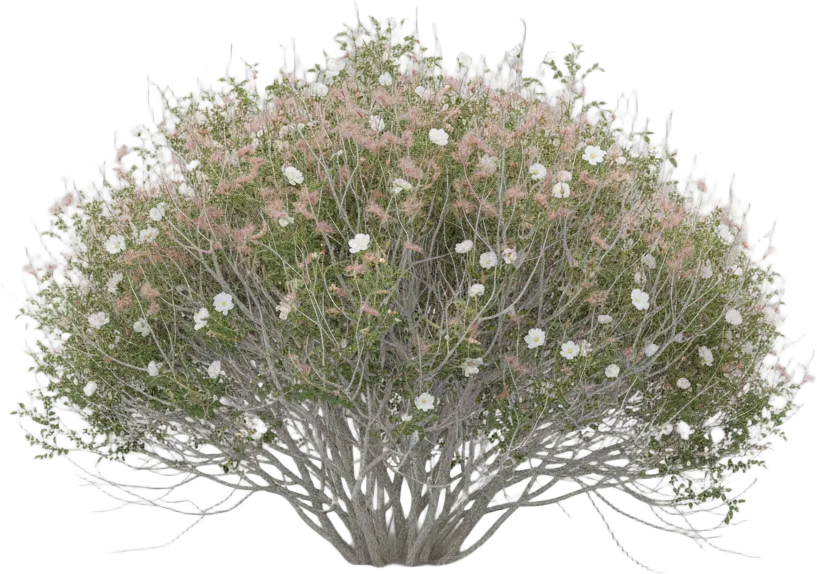
Apache Plume at its mature size
A mature Apache Plume grows 2 to 6 feet tall and 4 to 6 feet wide.
Drawn to scale beside a 5 ft 9 in person. With VeraScape, you see it at this size in your own yard.
Typical mature size, unpruned. Sources: NC State Extension, Lady Bird Johnson Wildflower Center, USDA PLANTS.

Through the year
What Apache Plume looks like month by month in a typical zone 6–7 garden.
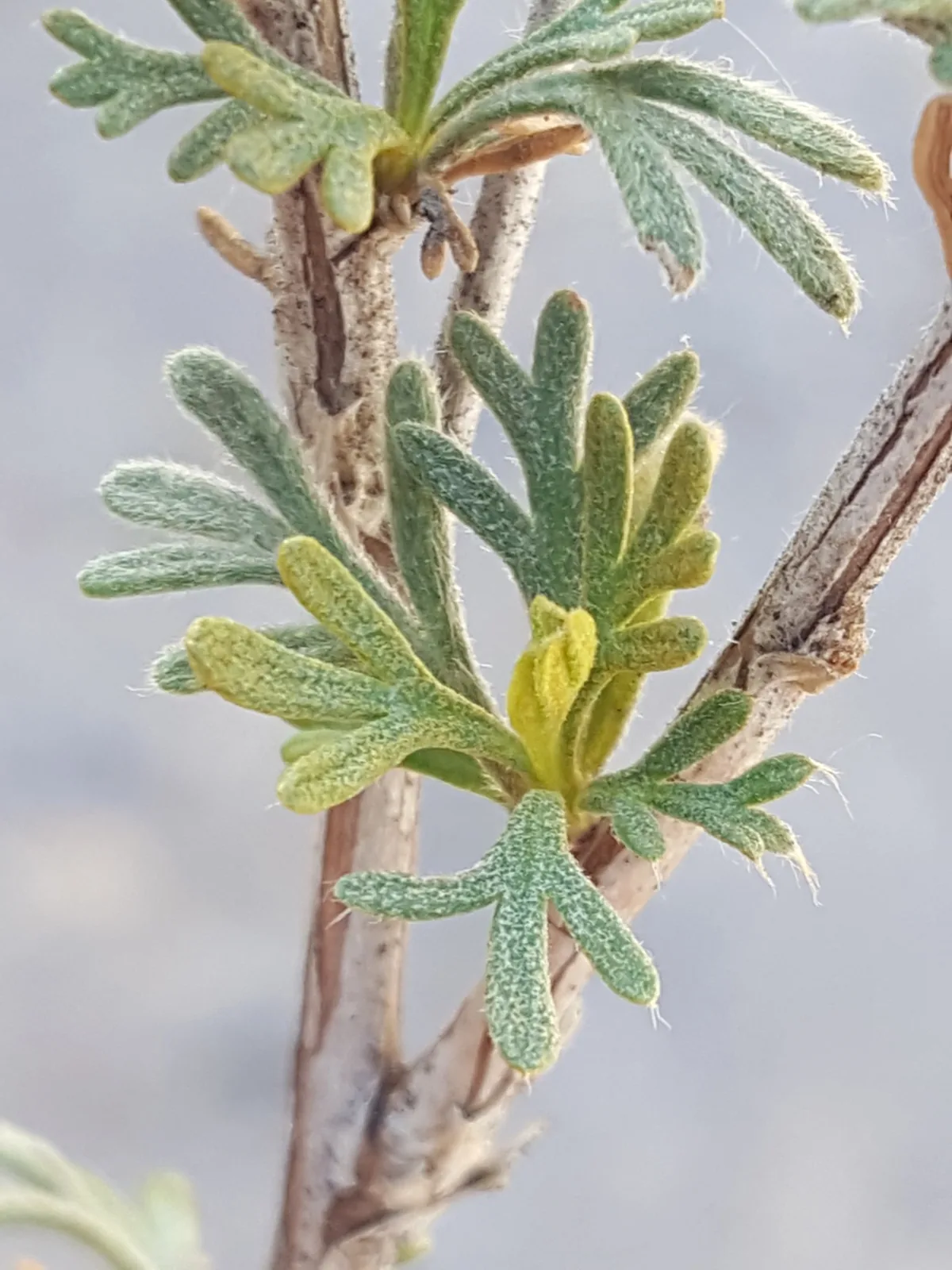
Dormant · Oct–Apr
Twiggy pale stems with a few small leaves.
In flower · May–Sep
White flowers and feathery pink seed plumes.
Photos



Growing Apache Plume
- Grows well in
- The desert Southwest and the Plains and Mountain West.
- Growth rate
- Medium
- Good for
- Small space, foundation planting, specimen, drought tolerant, slopes, and pollinators
- Leaves
- Drops its leaves in winter
- Native to
- Southwestern United States and Northern Mexico
Spacing
VeraScape spaces plants so their grown canopies just touch. For Apache Plume, that’s about 5 ft apart, center to center.
Place a row in your own yard and VeraScape spaces them at their mature width, so you can see whether they’ll crowd the walk.
See Apache Plume in your yard before you dig
Visualize it at its true size, alongside the rest of your design.